Clear Aligners: The Ongoing Evolution of Invisible Orthodontics
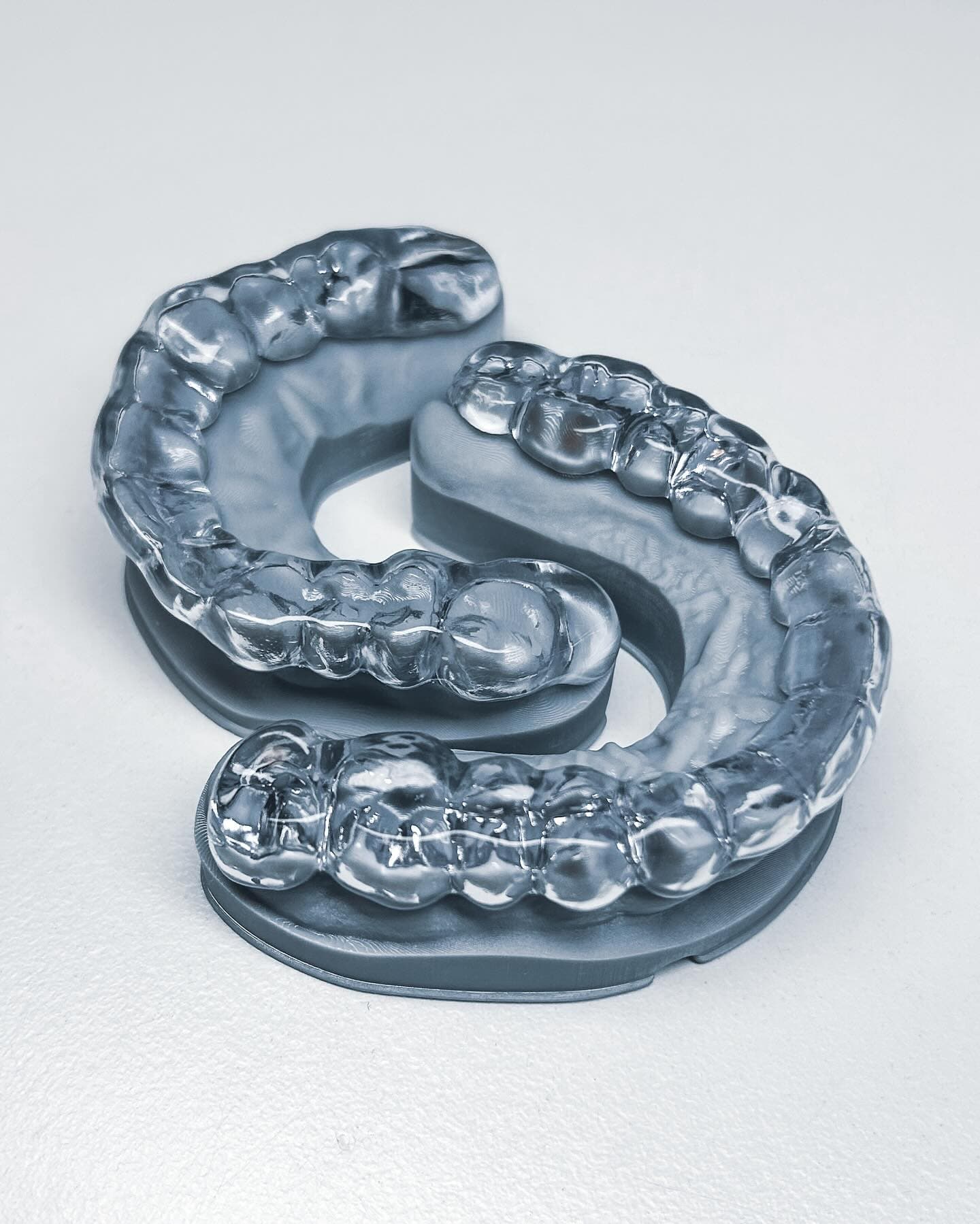
Clear aligner therapy has grown from a niche alternative to a dominant force in orthodontics. The technology behind aligner design, materials, and manufacturing is evolving fast.
From Niche to Mainstream
When clear aligners first entered the market in the late 1990s, they were considered suitable only for mild crowding and simple cases. Today, aligners are used to treat a broad spectrum of malocclusions — from moderate crowding and spacing to complex bite corrections, often in combination with auxiliaries like attachments, elastics, and mini-screws.
This shift hasn't happened by accident. It's the result of continuous improvements in three core areas: digital treatment planning, material science, and manufacturing technology.
Treatment Planning: AI-Driven Precision
Modern aligner treatment planning relies on sophisticated software that allows clinicians and lab technicians to stage tooth movements with precision. Each aligner in a series is designed to produce a specific, controlled movement — typically 0.2–0.3mm of translation or 1–2 degrees of rotation per stage.
The latest software platforms incorporate AI-driven staging algorithms that optimize movement sequencing, predict biomechanical outcomes, and flag potential issues before production begins. This means fewer mid-course corrections, more predictable results, and shorter overall treatment times.
At NordicDens, our aligner setup process includes full digital staging with detailed movement visualization. Clinicians can review, modify, and approve the plan before a single tray is produced.
Material Innovation: Beyond PETG
Traditional thermoformed aligners use PETG or similar thermoplastic materials that are vacuum-formed over 3D-printed model stages. These materials work well but have limitations: they lose force over time as the material relaxes, and complex geometries can be difficult to form accurately.
The newest generation of aligner materials addresses these challenges:
- Multi-layer composites — Materials like Zendura FLX combine layers with different stiffness properties, delivering sustained gentle forces with better comfort and retention.
- 3D-printable aligner resins — Materials such as Graphy's tera harz TC-85 allow aligners to be printed directly, bypassing the thermoforming step entirely. Direct-print aligners offer more precise geometry, better edge definition, and enable features that aren't possible with thermoforming.
- Shape-memory polymers — Experimental materials that can be programmed to apply specific force levels at body temperature, potentially allowing "smart" aligners that adapt their force profile during wear.
Manufacturing: The Direct-Print Revolution
Perhaps the most significant manufacturing trend in aligners is the shift from thermoforming over printed models to direct printing of the aligner itself.
In the traditional workflow:
- A model is 3D printed for each aligner stage
- A thermoplastic sheet is vacuum-formed over the model
- The formed tray is trimmed, finished, and inspected
In the direct-print workflow:
- The aligner geometry is designed in CAD software
- The aligner is printed directly from biocompatible resin
- Post-processing (washing, curing) and finishing complete the tray
Direct printing eliminates several sources of error — material stretching, uneven forming, trimming variability — and produces aligners with more consistent thickness, better fit, and sharper anatomical detail.
NordicDens has integrated Graphy tray production into our aligner workflow, offering clinics the choice between thermoformed and direct-print options depending on case requirements and clinical preferences.
Hybrid Approaches: Aligners + Fixed Appliances
An emerging trend is the combination of aligner therapy with targeted fixed appliances. Rather than choosing one system exclusively, clinicians are using aligners for the movements they handle best (alignment, leveling, space closure) and supplementing with fixed attachments or partial wires for movements that benefit from more direct biomechanical control (torque, extrusion, significant rotation).
This hybrid approach requires close coordination between the clinic and the lab, as both the aligner staging and the fixed component design need to work together seamlessly.
What Clinics Should Consider
When choosing a lab partner for aligner cases, there are several factors worth evaluating:
- Software and staging quality — Does the lab use current-generation planning software? Can they provide detailed movement visualizations for review?
- Material options — Are thermoformed and direct-print options both available? Is the lab testing and adopting new materials as they become validated?
- Turnaround time — Aligner cases often involve multiple stages. Can the lab deliver full series efficiently?
- Communication — Can staging plans be reviewed and revised before production? Is there direct access to the technician designing the case?
NordicDens and the Aligner Landscape
Aligner therapy is one of the fastest-evolving areas in orthodontics, and our lab evolves with it. We've built our aligner workflow around flexibility — supporting both thermoformed and direct-print production, working with the latest staging software, and maintaining the design expertise to handle increasingly complex cases.
As aligner materials and software continue to advance, NordicDens will continue to adopt the technologies that deliver the best results for our partner clinics and their patients.

NordicDens is a modern orthodontic laboratory in Tallinn, Estonia, serving clinics across the Nordics and Europe with precision appliances and digital workflows.
Siste fra bloggen
Clear Aligners: Den Pågående Evolusjonen av Usynlig Ortodonti
Clear aligner-behandling har vokst fra et nisjealternativ til en dominerende kraft innen ortodonti. Teknologien bak aligner-design, materialer og produksjon utvikler seg raskt.
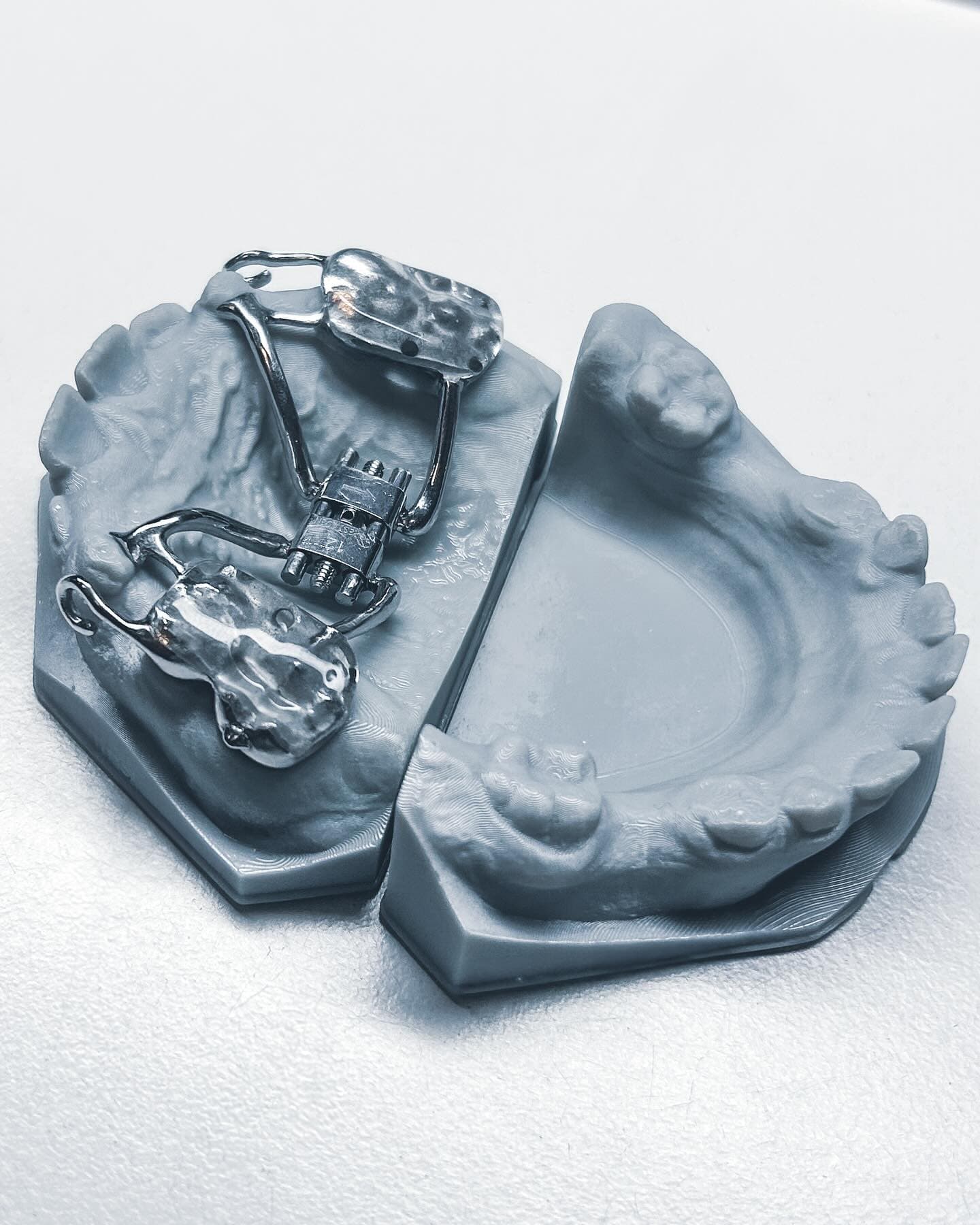
3D-printing-revolusjonen i ortodonti: Det hver klinikk bør vite
Fra termoformede baser til direkteprintede apparater har 3D-printing blitt ryggraden i moderne ortodontisk laboratorieproduksjon. Her er hva klinikker bør forstå om dette skiftet.
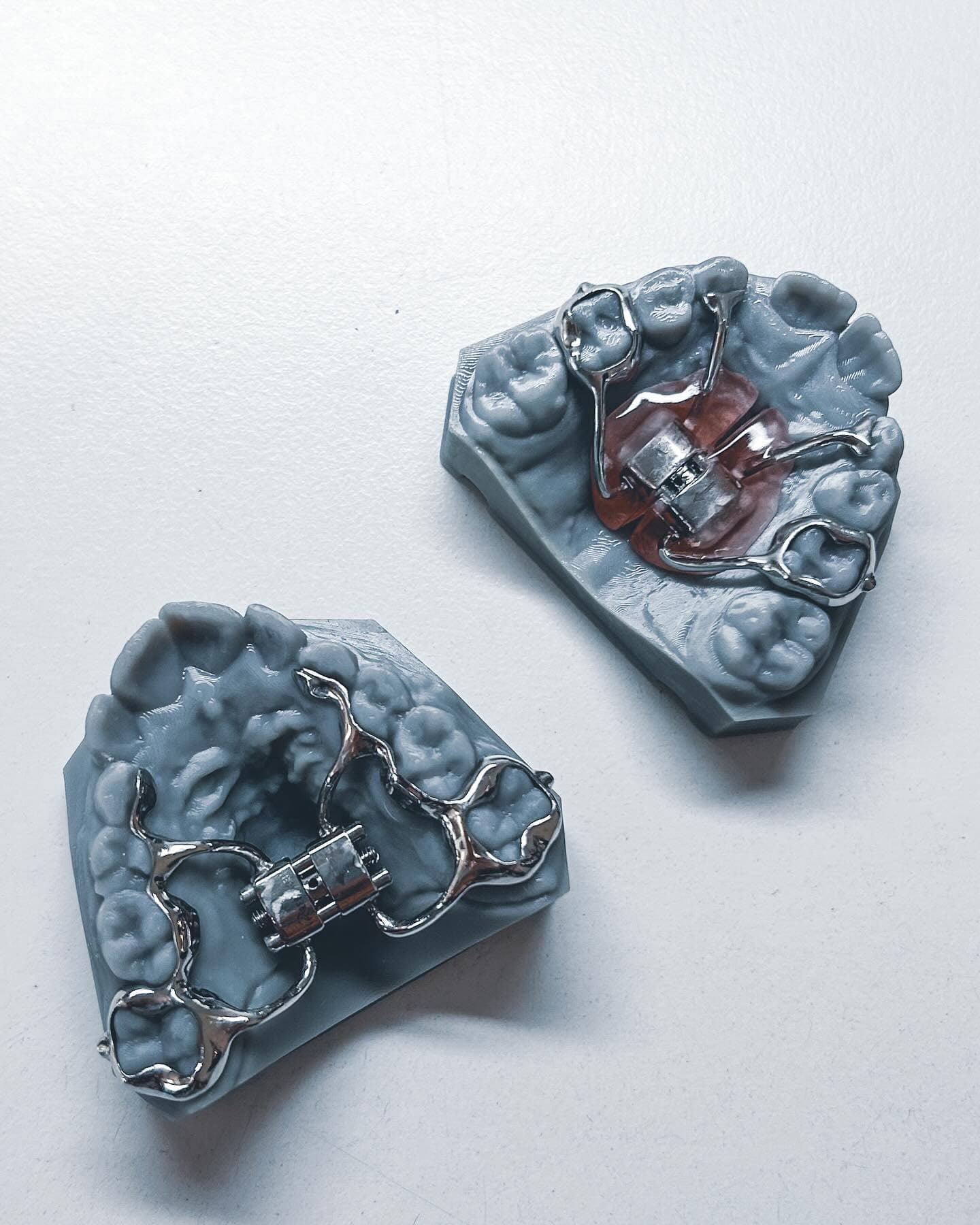
Digital Arbeidsflyt: Fra Intraoral Skanning til Ferdig Apparat
Den fullstendig digitale arbeidsflyten har redefinert hvordan ortodontiske laboratorier og klinikker samarbeider. Fra øyeblikket en skanning sendes inn til det ferdige apparatet leveres, gagner hvert steg av digital presisjon.