Indirect Bonding: How Digital IDB Trays Are Transforming Bracket Placement
Indirect bonding trays allow orthodontists to place brackets with precision and efficiency that direct bonding can't match. Digital design and 3D printing have made IDB better and more accessible than ever.
The Case for Indirect Bonding
Direct bracket bonding — placing each bracket individually on the tooth surface during a patient appointment — has been the standard approach in orthodontics for decades. It works, but it has limitations:
- Chair time — Placing 20+ brackets one by one takes significant appointment time
- Positional accuracy — Even experienced clinicians face challenges in achieving ideal bracket height, tip, and torque on every tooth
- Variability — The accuracy of placement depends on visibility, access, moisture control, and the clinician's fatigue level
Indirect bonding (IDB) addresses all of these issues. Brackets are positioned on a model in the lab under ideal conditions, then transferred to the patient's teeth using a custom tray — all brackets bonded simultaneously or in small groups. The result is faster appointments and more consistent bracket positioning.
The Digital IDB Workflow
Modern IDB has gone fully digital:
1. Digital Setup
Using the patient's intraoral scan, the lab designs the ideal bracket position for each tooth in CAD software. The technician can control height, angulation, tip, torque, and offset with sub-millimeter precision — something that's extremely difficult to achieve chairside.
2. Virtual Bracket Placement
Digital bracket libraries (matching the specific bracket system the clinician uses) are placed on the virtual model. Each bracket position can be evaluated from every angle, adjusted, and optimized before any physical production.
3. Transfer Tray Design
A custom transfer tray is designed digitally to hold each bracket in its prescribed position. The tray is shaped to seat passively on the teeth and release cleanly after bonding.
4. 3D Printing
The transfer tray is 3D printed in a flexible, biocompatible material. Depending on the tray design, it may be a single full-arch tray or segmented into sections for easier clinical handling.
5. Bracket Loading
Physical brackets are seated into the printed tray, adhesive is applied, and the loaded tray is packaged for delivery to the clinic.
Clinical Benefits
Reduced chair time — Full-arch bonding can be completed in minutes rather than the 30–45 minutes typical for direct placement. This has direct impact on practice efficiency and patient experience.
Superior accuracy — Lab-designed bracket positioning consistently achieves better accuracy than chairside placement. Studies have shown significant improvements in bracket height and angulation consistency with IDB.
Better outcomes — More accurate initial bracket placement means fewer wire bends, fewer repositioning appointments, and more efficient treatment progression.
Predictable workflow — The clinician can review and approve the digital bracket setup before the tray is produced, ensuring alignment with the treatment plan.
Common Concerns — Addressed
"What about bond failures?" — Modern IDB adhesive protocols and tray materials have brought bond failure rates to levels comparable with direct bonding. Proper moisture control and adhesive selection are key.
"Is it more expensive?" — While there's a lab cost for the IDB tray, the reduction in chair time typically offsets this cost. Many practices find that IDB improves overall profitability by allowing more procedures per day.
"Can I use my preferred bracket system?" — Digital IDB works with virtually any bracket system. The lab works with digital bracket libraries that match the clinician's chosen brand and prescription.
How NordicDens Produces IDB Trays
At NordicDens, our IDB workflow is fully integrated into our digital production pipeline:
- We accept intraoral scans from all major scanner platforms
- Our technicians design bracket positions using specialized orthodontic CAD software with comprehensive bracket libraries
- Digital setups are available for clinician review and approval before production
- Transfer trays are 3D printed on high-resolution printers for precise bracket fit
- Each tray undergoes quality control verification against the approved digital setup
We work closely with each clinic to establish protocols that match their bracket system, adhesive preferences, and clinical workflow. Whether a practice is new to IDB or looking to switch lab providers, we make the transition straightforward.
The Growing Adoption
Indirect bonding adoption has accelerated significantly as digital tools have made the process more accessible and reliable. What was once considered an advanced technique reserved for specialists is now becoming a standard offering that any orthodontic practice can incorporate.
For clinics looking to improve efficiency, consistency, and treatment outcomes, digital IDB represents one of the highest-impact improvements available — and it starts with a lab partner that has the digital expertise to deliver it well.

NordicDens is a modern orthodontic laboratory in Tallinn, Estonia, serving clinics across the Nordics and Europe with precision appliances and digital workflows.
Siste fra bloggen
Indirect Bonding: Hvordan digitale IDB-brett revolusjonerer plasseringen av bracketer
Indirect bonding-brett lar ortodontister plassere bracketer med presisjon og effektivitet som direkte bonding ikke kan matche. Digital design og 3D-printing har gjort IDB bedre og mer tilgjengelig enn noen gang.
Framtiden for ortodontisk retensjon: Smarte retainere og digital retensjonsplanlegging
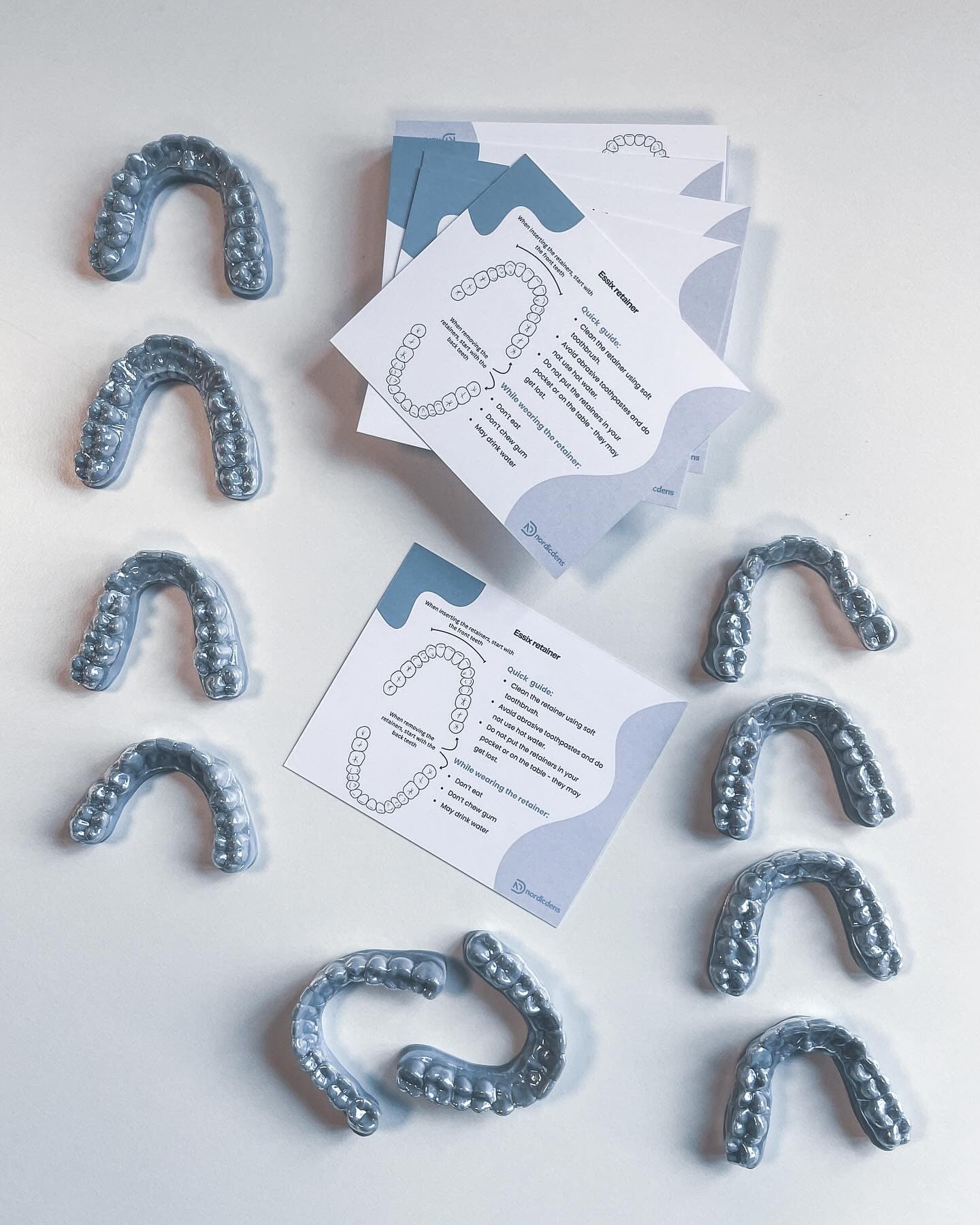
Retensjon er den siste — og antakelig mest kritiske — fasen av ortodontisk behandling. Nye teknologier gjør retensjon mer forutsigbar, mer personlig og enklere å håndtere for både klinikere og pasienter.
3D-printing-revolusjonen i ortodonti: Det hver klinikk bør vite
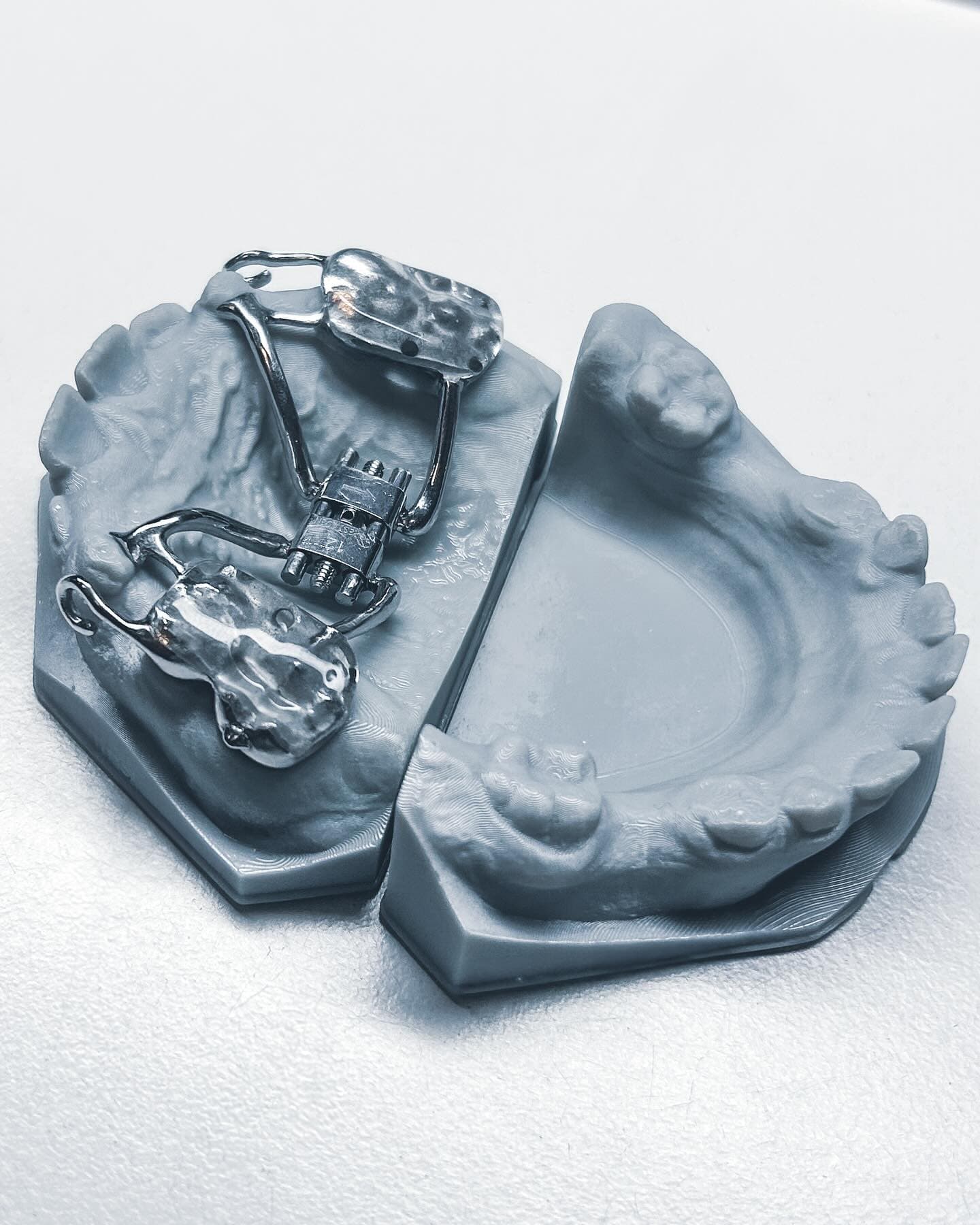
Fra termoformede baser til direkteprintede apparater har 3D-printing blitt ryggraden i moderne ortodontisk laboratorieproduksjon. Her er hva klinikker bør forstå om dette skiftet.