The End of the Impression Tray Era
For decades, orthodontic case work began with a physical impression — alginate or PVS material pressed into a tray, sent to the lab, and poured in plaster. This process introduced variability at every step: material distortion, shipping damage, pouring inaccuracies.
The intraoral scanner changed everything. Today, a clinician captures a complete digital impression in minutes, uploads it to a secure platform, and the lab receives a precise 3D dataset within seconds. No physical shipment. No material degradation. No guesswork.
The Anatomy of a Digital Case
A fully digital orthodontic workflow follows a clear path:
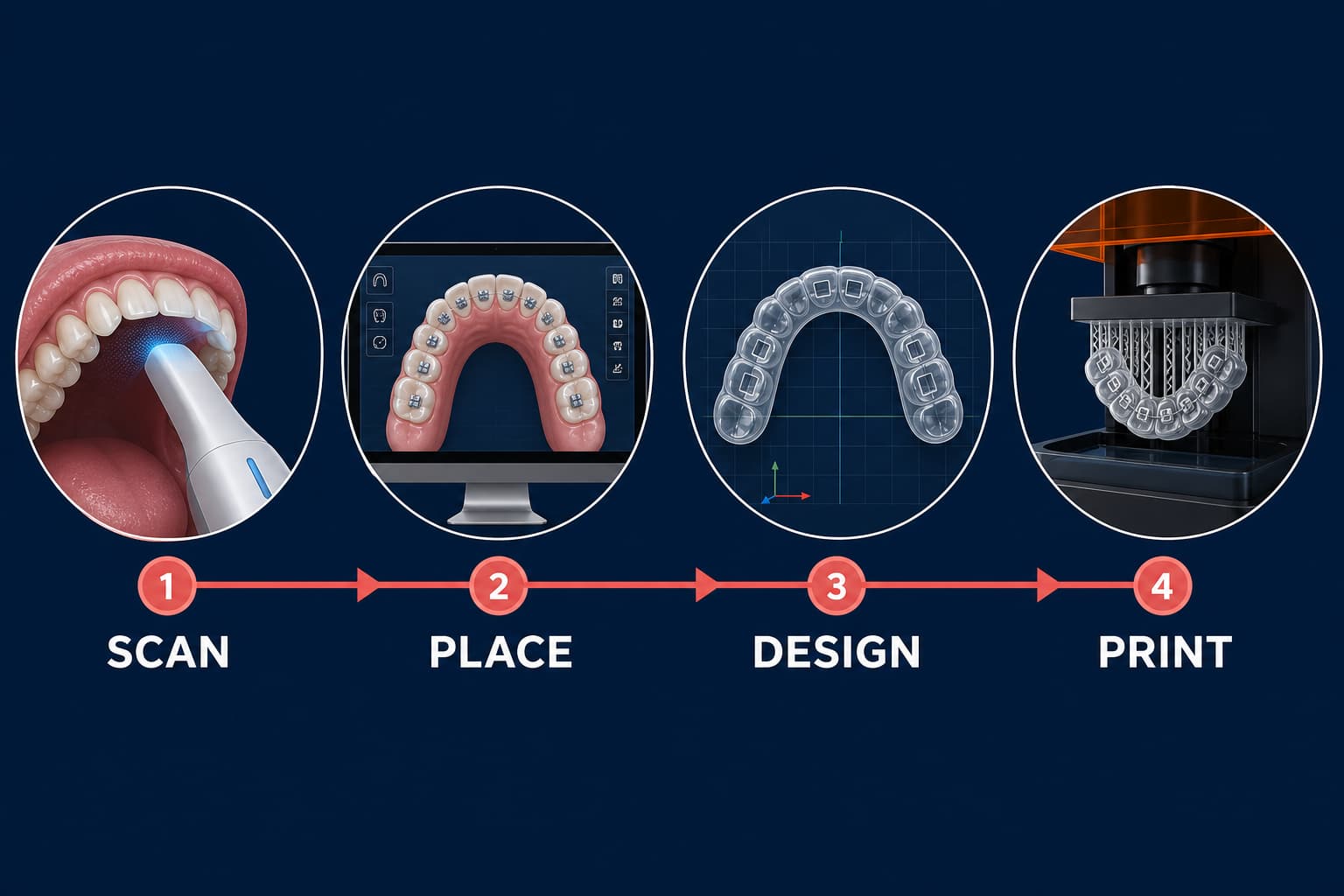
1. Intraoral Scanning
The clinician captures the patient's dentition using a handheld scanner. Modern scanners from companies like iTero, 3Shape TRIOS, and Medit achieve accuracy levels that match or exceed traditional impressions. The output is a high-resolution STL or PLY file that captures tooth anatomy, gingival margins, and occlusal relationships.
2. Case Submission
The scan file, along with clinical photographs and a digital prescription, is submitted to the lab through a secure portal or file-sharing system. At NordicDens, every case is logged into our digital tracking system at the moment of receipt — providing real-time status updates throughout production.
3. CAD Design
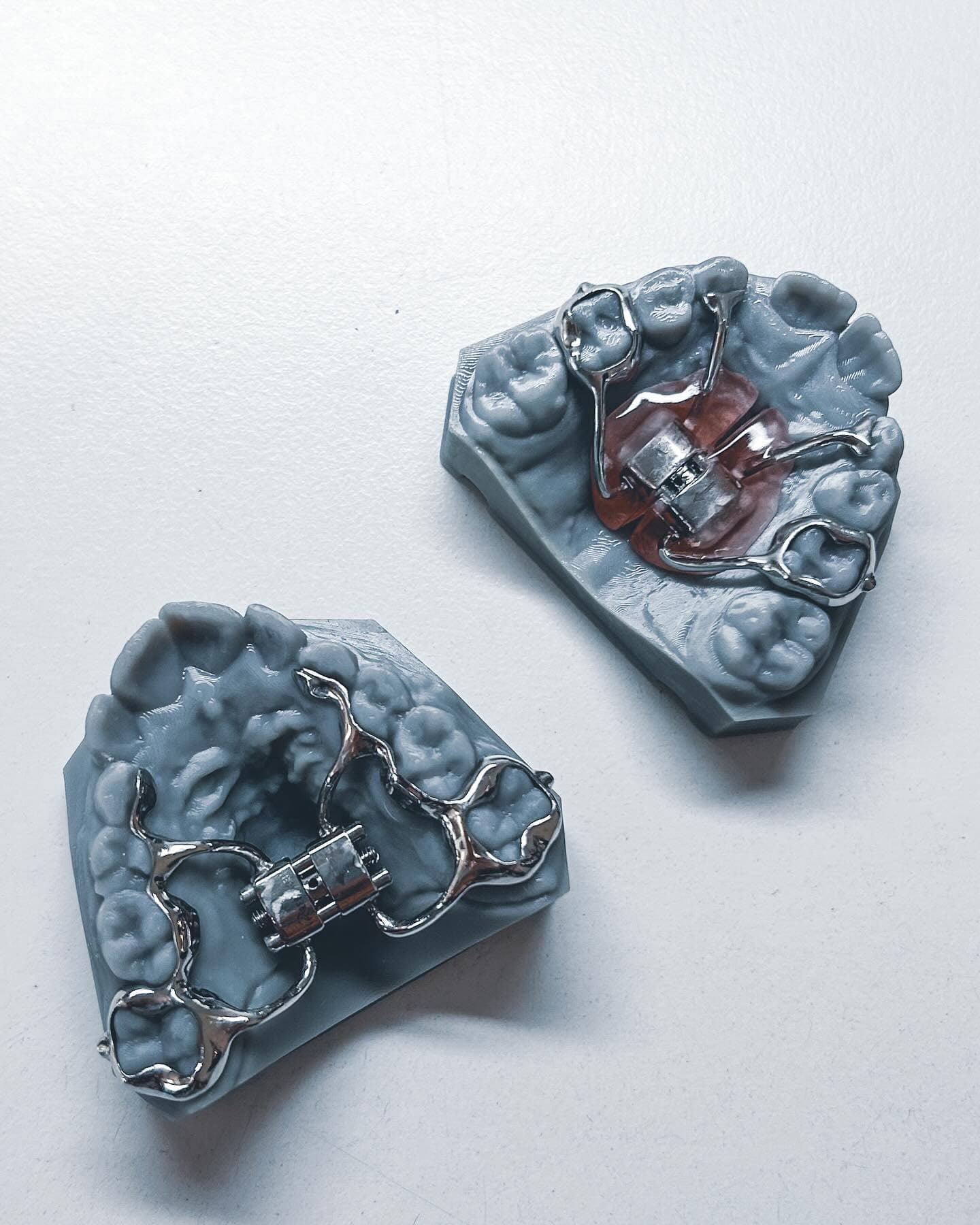
This is where the digital advantage truly shines. Using specialized orthodontic CAD software, technicians design the appliance directly on the digital model. Whether it's setting up aligner stages, designing an RPE framework, or preparing an indirect bonding tray, every design decision is made with precision tools that allow sub-millimeter control.
The digital design can be reviewed, adjusted, and approved before any physical production begins — reducing remakes and ensuring the final product matches the clinician's intent.
4. Digital Manufacturing
Once the design is approved, it moves to production. Depending on the appliance type, this might involve:
- 3D printing models or trays
- CNC milling metal frameworks
- Laser cutting wire components
- Thermoforming over printed bases
Each manufacturing method is selected based on the material requirements and clinical specifications of the case.
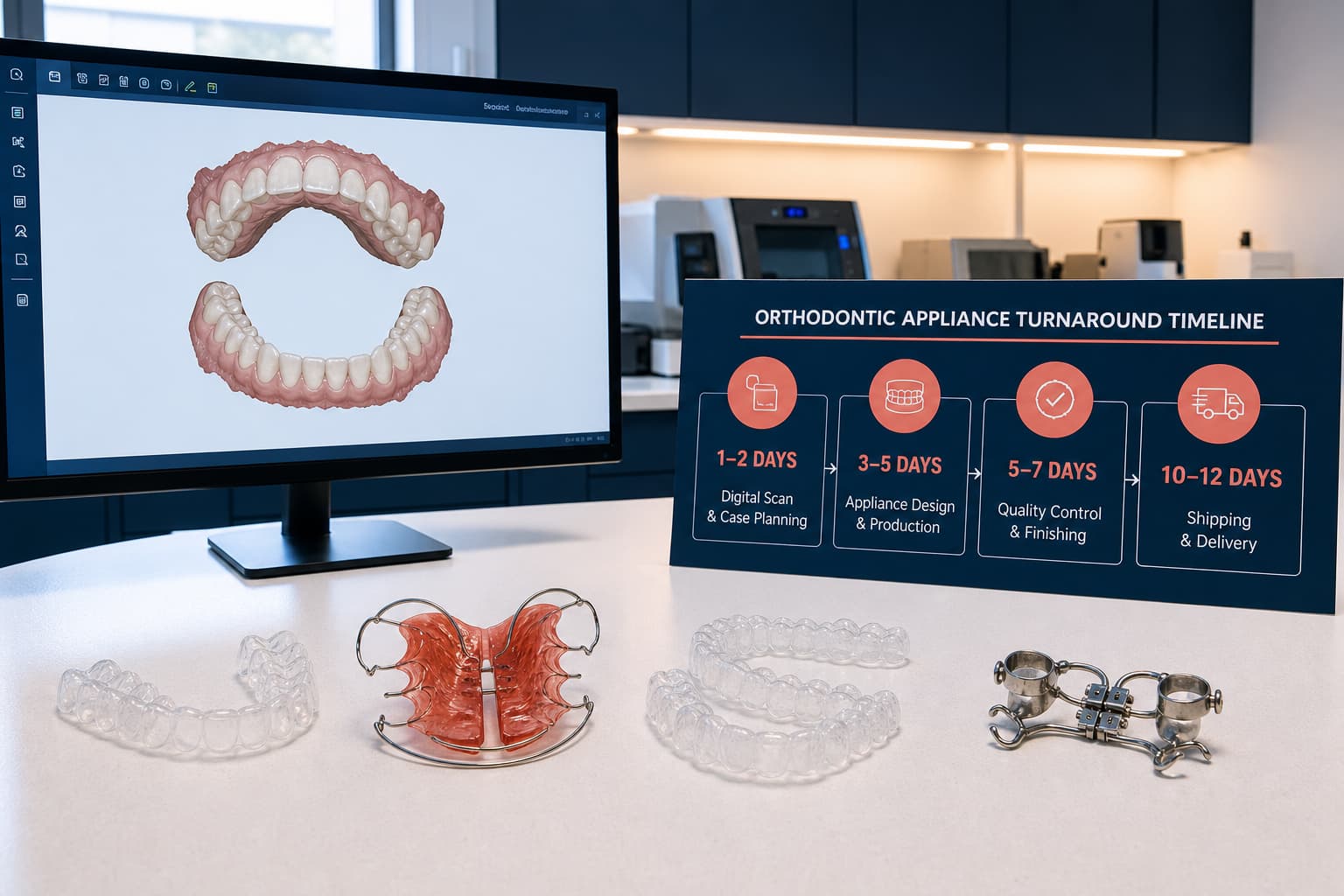
5. Finishing and Quality Control
Even in a digital workflow, expert hand-finishing remains essential. Technicians inspect every appliance, refine surfaces, verify fit against the digital model, and ensure the final product meets clinical standards.
At NordicDens, our three-stage quality control process checks each case against the original prescription at multiple points — design review, post-production inspection, and pre-packaging final check.
6. Delivery
The finished appliance is securely packaged and dispatched via express courier. Digital case records are archived, making it easy to reproduce or modify appliances in the future without new impressions.
What Clinics Gain from Going Fully Digital
Speed — Digital files are processed faster than physical impressions. There's no shipping delay, no pouring time, and design iterations happen in software rather than on the bench.
Accuracy — Digital scans are dimensionally stable. They don't shrink, warp, or break in transit. What the scanner captures is exactly what the lab works with.
Traceability — Every step is logged. Clinics can track where their case is at any moment, and labs can reference the complete digital history of every patient.
Flexibility — Need a new retainer for a patient treated two years ago? If the original scan is on file, the lab can produce one without the patient returning for a new impression.
How NordicDens Handles Digital Cases
Our entire operation is built around the digital workflow. From the scanning protocols we recommend to the CAD software we use and the printers and mills on our production floor, every component is optimized for digital input and output.
We accept scans from all major scanner platforms, process cases using industry-leading design software, and manufacture with equipment that delivers repeatable, high-resolution results.
The digital workflow isn't an add-on at NordicDens — it's the default.