The Retention Challenge
Every orthodontist knows the frustration: a beautifully aligned result that gradually deteriorates because of poor retention compliance. Studies consistently show that without retention, teeth tend to relapse toward their pre-treatment positions. Yet retention remains one of the least standardized aspects of orthodontic care.
The challenges are well-documented:
- Compliance — Removable retainers only work when patients wear them. Compliance drops significantly over time, especially in younger patients.
- Durability — Retainers wear out, break, or are lost. Each replacement event is an inconvenience for the patient and an administrative task for the practice.
- One-size-fits-few — Traditional retention protocols (fixed wire + removable Essix, or Hawley retainer) don't account for individual variation in relapse risk.
- Long-term management — Retention is theoretically lifelong, but follow-up typically ends within a few years of treatment completion.
The good news is that technology is addressing each of these challenges.
3D-Printed Retainers: Precision and Reproducibility
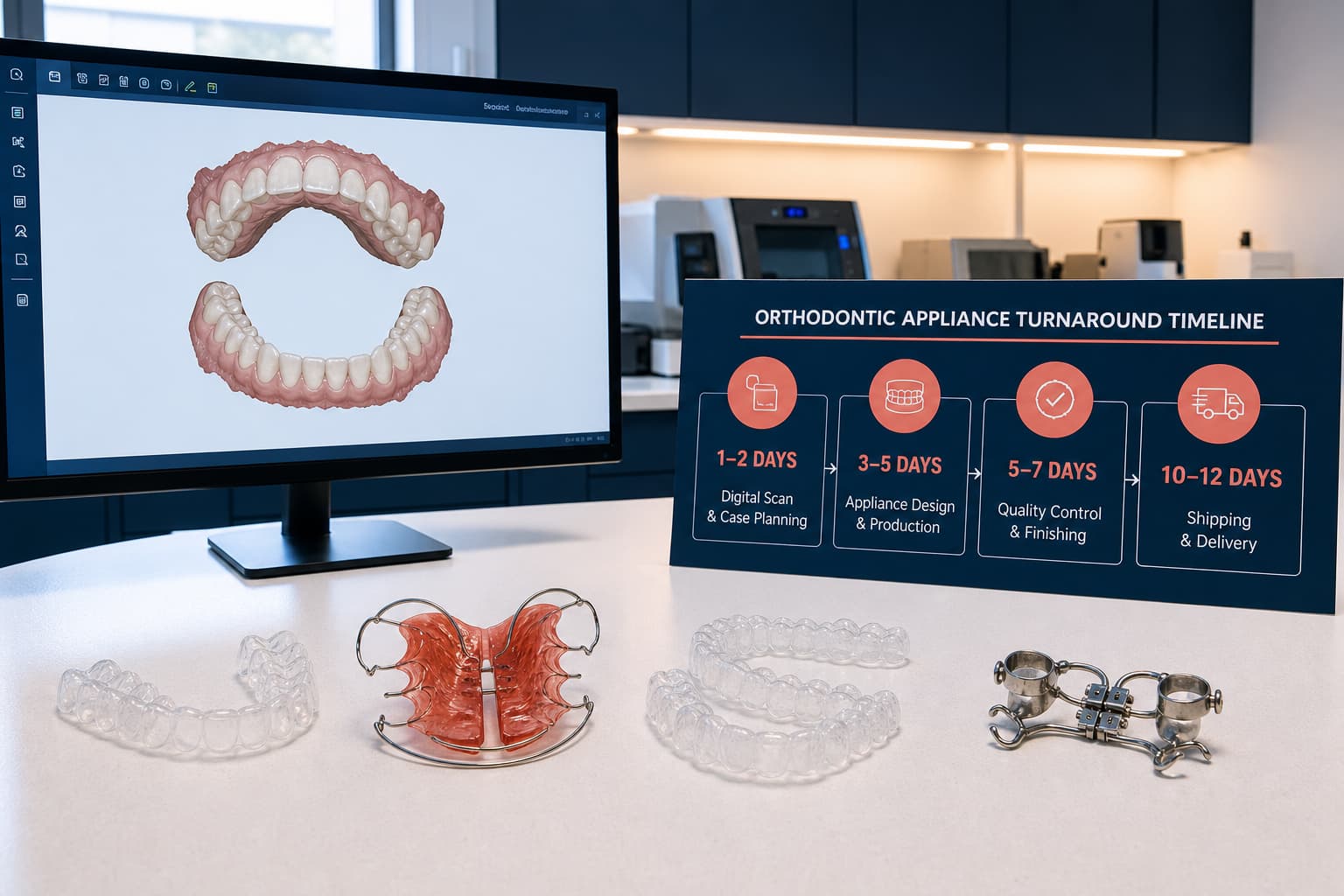
The most immediate technology impact on retention is the application of 3D printing to retainer fabrication:
Exact Reproducibility
When a retainer is designed digitally and manufactured from a stored file, every replacement is an exact duplicate. No re-scanning, no re-impressioning — just reprint and deliver. This is a significant improvement over the traditional process, where each replacement retainer was slightly different from the last.
Design Optimization
Digital retainer design allows for precise control over coverage, thickness, and retention features. Technicians can design retainers with:
- Variable thickness — thicker in high-stress areas, thinner for comfort
- Optimized occlusal coverage — minimal interference with natural occlusion
- Precise gingival margins — consistent edge placement for comfort and hygiene
Direct-Print Capability
As biocompatible printable resins mature (discussed in our article on direct 3D printed appliances), retainers are increasingly being printed directly rather than thermoformed. Direct-print retainers offer better dimensional accuracy and more consistent wall thickness.
At NordicDens, we produce retainers using both thermoforming and direct-print methods, selecting the approach based on clinical requirements and clinician preference.
Digital Retention Planning
An emerging concept in orthodontics is digital retention planning — using treatment data to make evidence-based decisions about retention protocols for individual patients.
The idea is straightforward: not every patient has the same relapse risk, so not every patient should receive the same retention protocol.
Factors that can inform personalized retention planning include:
- Magnitude and type of corrections — Significant rotational corrections, for example, have higher relapse risk than simple alignment corrections
- Age and growth status — Growing patients may need different retention strategies than adults
- Periodontal status — Patients with reduced bone support may need more aggressive retention
- Original malocclusion — Certain malocclusion types (e.g., deep bites, open bites) have characteristic relapse patterns
Digital treatment records — intraoral scans, CBCT data, treatment staging files — provide the data foundation for this kind of individualized planning. As AI-driven analysis tools mature, we expect to see software that can recommend retention protocols based on comprehensive case data.
Smart Retainers: What's Coming
The most forward-looking development in retention is the concept of smart retainers — appliances with embedded sensors that monitor wear time and detect early signs of relapse.
While still largely in the research and early commercialization phase, smart retainer technology includes:
- Wear-time sensors — Miniaturized temperature or pressure sensors embedded in the retainer that record when the appliance is being worn. Data can be transmitted via Bluetooth to a smartphone app.
- Force monitoring — Sensors that detect when a retainer is fitting tighter than expected, potentially indicating early tooth movement.
- Compliance tracking — Apps that provide patients and clinicians with objective wear-time data, replacing unreliable self-reporting.
The clinical value of smart retainers lies in early intervention: if a sensor detects reduced compliance or early relapse, the clinician can intervene before significant tooth movement occurs — perhaps by adjusting the retention protocol, providing a new retainer, or scheduling a clinical evaluation.
The Lab's Role in Modern Retention
Orthodontic laboratories are central to the evolving retention landscape:
- Digital archiving — Labs that store digital case files indefinitely enable instant retainer replacement years after treatment completion
- Production flexibility — Offering both thermoformed and direct-print retainers gives clinics options for each patient
- Design expertise — Experienced lab technicians optimize retainer design for each case, balancing retention effectiveness with patient comfort
- Rapid turnaround — Digital workflows enable same-day or next-day retainer production, minimizing the gap between retainer loss and replacement
NordicDens and Retention
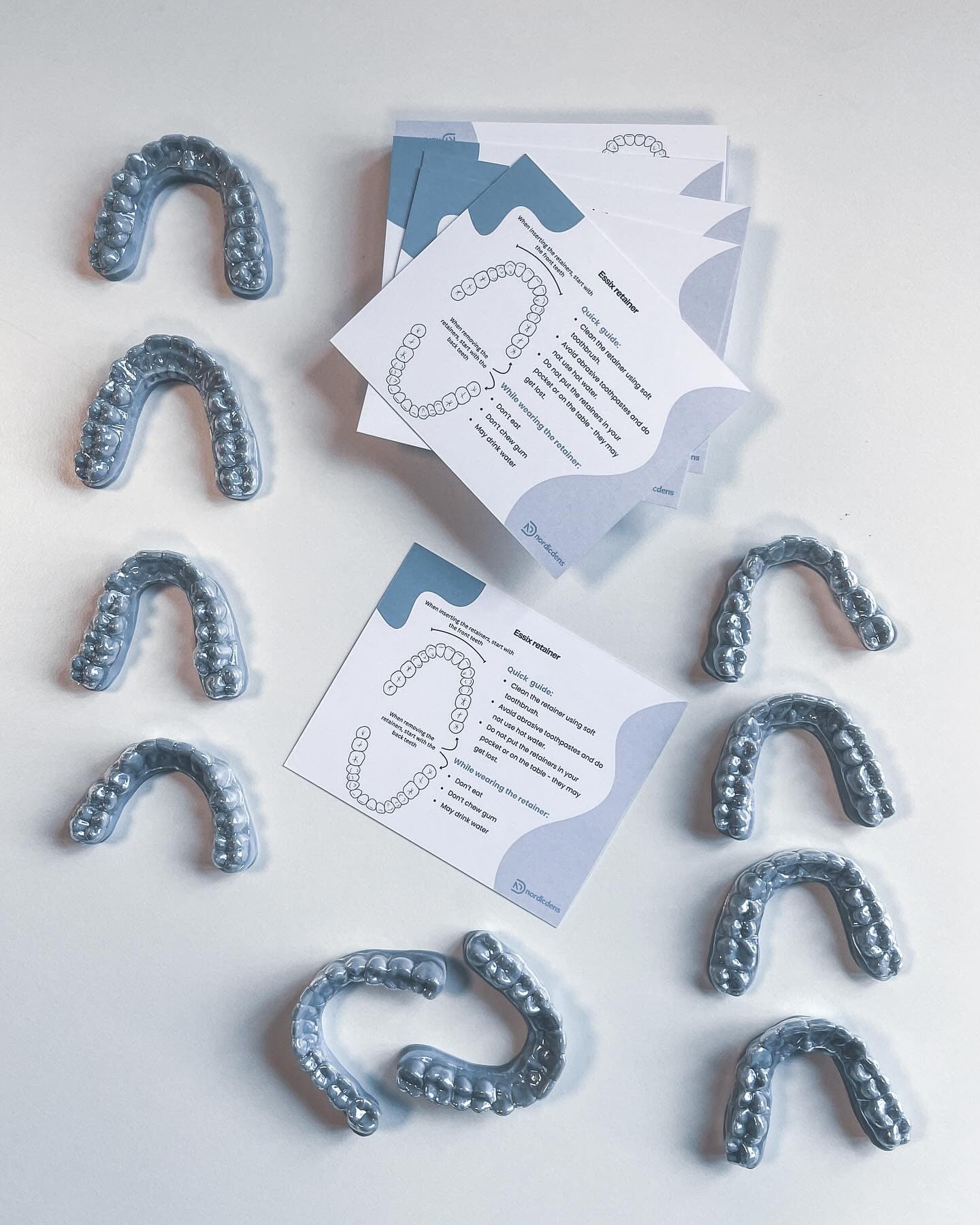
Retention appliances are a core part of our production at NordicDens. We produce Essix retainers, wraparound retainers, bonded wire retainers, and an expanding range of direct-print retention options.
Every retainer case we produce is digitally archived, meaning replacement retainers can be manufactured from the original design file at any point in the future. For our partner clinics, this means that retainer management is simplified: a single message to us is all it takes to initiate a replacement.
As smart retainer technologies move from research to clinical availability, NordicDens will be positioned to integrate these capabilities into our production and support workflows.
The Takeaway
Retention is evolving from a one-size-fits-all afterthought to a personalized, technology-enabled phase of treatment. The combination of digital design, 3D printing, data-driven planning, and emerging smart technologies is making retention more effective, more convenient, and more manageable.
For clinics, the practical implication is clear: partner with a lab that can support the full spectrum of retention options — from traditional thermoformed retainers to the latest in digital and direct-print technology — and that archives every case digitally for seamless long-term support.
Latest from the Blog
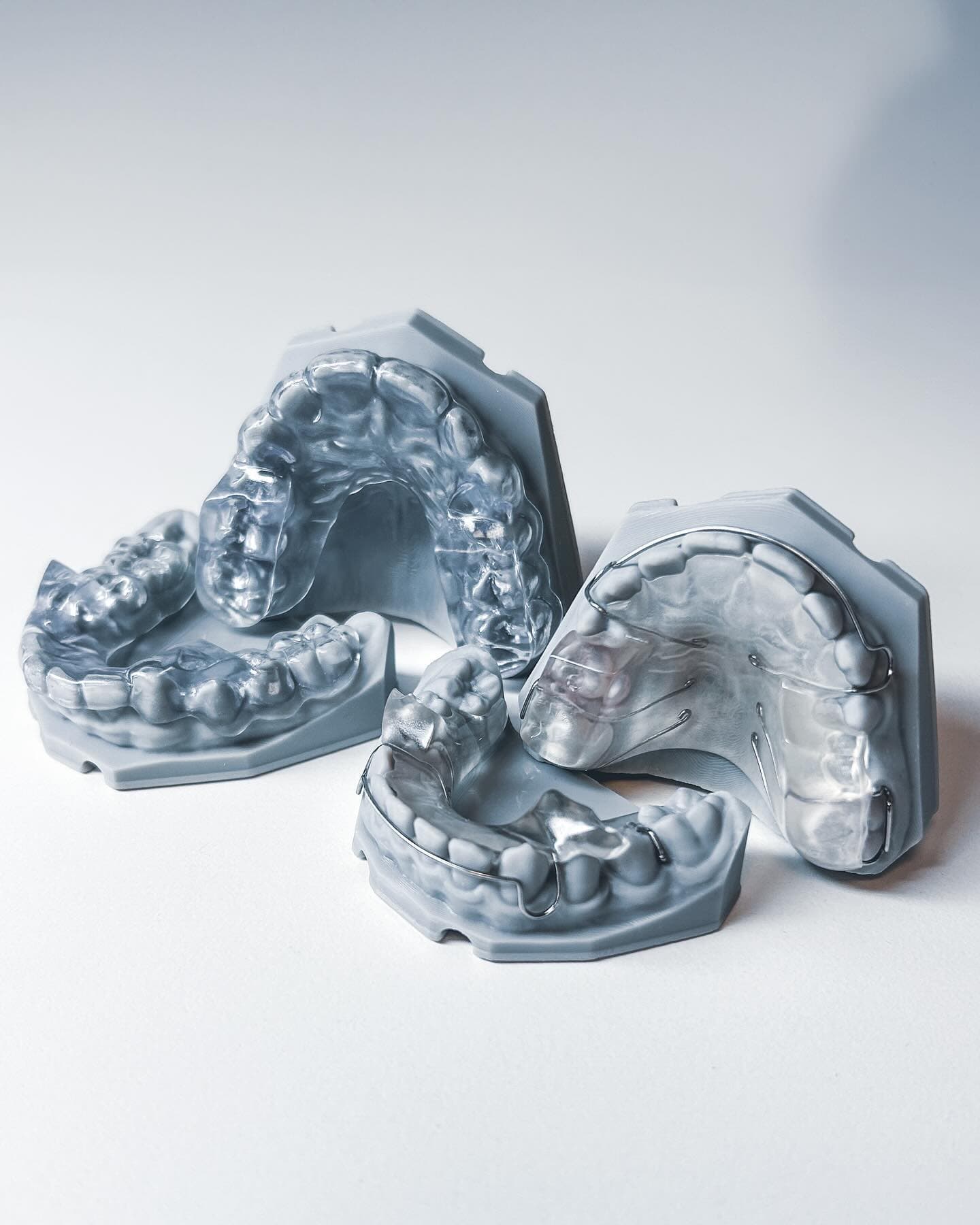
Indirect Bonding: How Digital IDB Trays Are Transforming Bracket Placement
Indirect bonding trays allow orthodontists to place brackets with precision and efficiency that direct bonding can't match. Digital design and 3D printing have made IDB better and more accessible than ever.
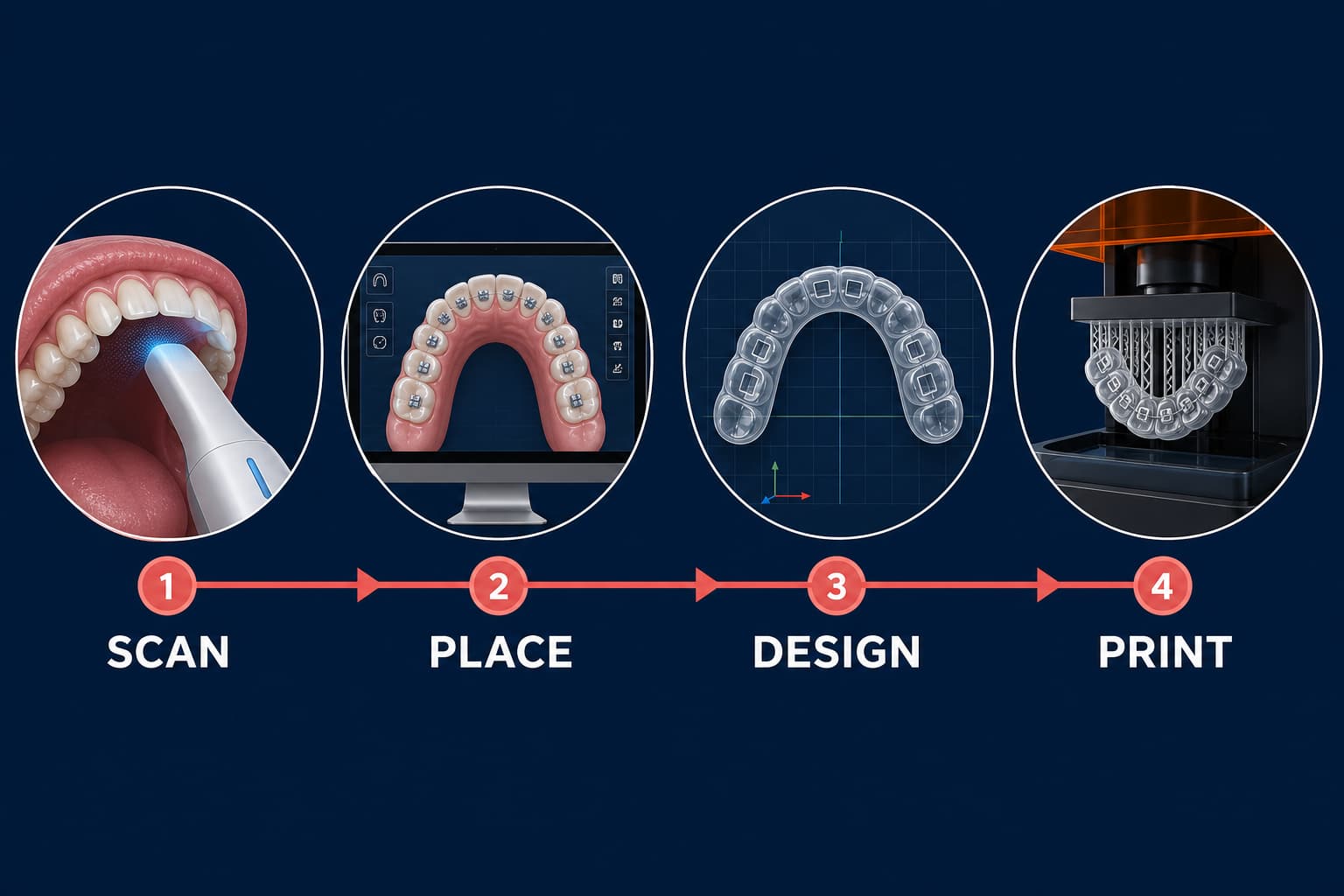
3D-Printed Indirect Bonding Trays: Clinical Workflow