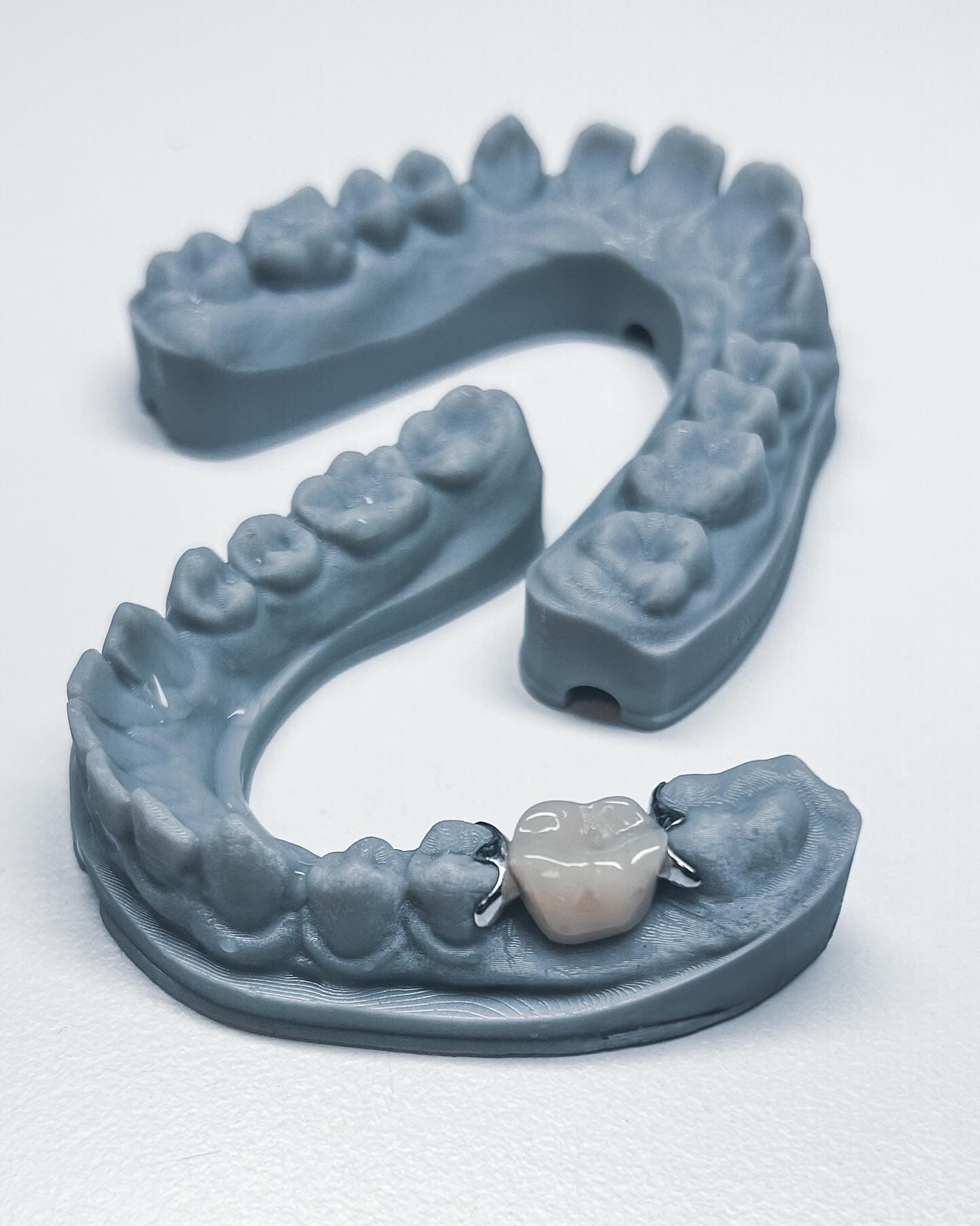
A Fundamental Shift in Case Intake
The way an orthodontic case begins determines everything that follows. The accuracy of the initial record — whether it's a physical impression or a digital scan — propagates through every step of treatment planning, appliance design, and manufacturing.
For decades, that initial record was an alginate or PVS impression. Despite being effective, physical impressions introduced inherent limitations: material distortion, patient discomfort, shipping damage, and the variability of plaster pouring. Every one of these factors could affect the accuracy of the final appliance.
Intraoral scanning has eliminated these limitations entirely.
How Modern Scanners Work
Today's intraoral scanners use structured light or laser technology to capture millions of data points across tooth surfaces, creating a high-resolution 3D model in real time. The clinician simply moves the scanner wand across the dental arches, and the software assembles a complete digital model within minutes.
Leading scanner platforms include:
- iTero Element — Widely adopted in orthodontics, with features like outcome simulation and progress assessment
- 3Shape TRIOS — Known for speed and color scanning capabilities
- Medit i700/i900 — Open-architecture scanners with strong accuracy at competitive price points
- Planmeca Emerald — Compact scanner with good accuracy and integration with Planmeca's software ecosystem
These scanners achieve accuracy levels of 20–50 microns across a full arch — matching or exceeding the accuracy of well-executed PVS impressions, without any of the associated limitations.
Advantages Over Traditional Impressions
For Patients
- Comfort — No gagging, no messy materials, no waiting for set time
- Speed — A full-arch scan takes 60–90 seconds
- Engagement — Patients can see their scan in real time on screen, improving understanding and case acceptance
For Clinicians
- Immediate quality check — The scan can be evaluated instantly. If coverage is incomplete, additional scanning takes seconds.
- No retakes — Unlike impressions that must be repeated if distorted, scans can be refined on the spot
- Instant submission — Cases are sent to the lab digitally within seconds of capture
- Archival value — Digital scans are stored indefinitely and can be referenced or reproduced at any time
For Labs
- Dimensional stability — Digital files don't shrink, warp, or break in transit
- Immediate access — No waiting for physical shipment. The lab receives the case as soon as it's submitted.
- Seamless integration — Digital scans flow directly into CAD software for design, eliminating the need to scan physical models or impressions
- Reproducibility — The same file can be used to produce multiple appliances over time without degradation
The Lab Perspective: Working with Digital Scans
At NordicDens, the majority of cases we receive are submitted as digital scans, and this proportion continues to grow. Our workflows are optimized for digital input:
- We accept scan files from all major scanner platforms (STL, PLY, DCM formats)
- Our CAD software integrates directly with scanner output, eliminating conversion losses
- Digital scans enable us to begin case design immediately upon receipt
- The accuracy of modern scans consistently meets or exceeds the quality of physical impressions we previously worked with
For clinics still transitioning to digital scanning, we continue to accept physical impressions — which we digitize using high-resolution desktop scanners. However, we consistently see better outcomes and faster turnaround on cases submitted digitally from the start.
Common Transition Concerns
"Is the investment worth it?" — Scanner prices have decreased significantly while capabilities have improved. Most practices recoup the investment through reduced material costs, eliminated shipping fees, and improved efficiency within 12–18 months.
"Which scanner should I choose?" — The best scanner depends on your practice's specific needs. All major platforms produce scans that work well with modern lab workflows. Open-architecture scanners (like Medit) offer flexibility in choosing lab partners, while closed systems (like some iTero configurations) may offer tighter integration with specific aligner platforms.
"What about full-arch accuracy?" — Full-arch scanning accuracy has improved dramatically. Current-generation scanners handle full-arch cases reliably, though best practices (proper scanning technique, dry field) remain important.
The Path Forward
The trajectory is clear: digital scanning is becoming universal in orthodontics. Clinics that haven't yet adopted intraoral scanning will increasingly find that their lab partners, aligner providers, and referral networks are built around digital workflows.
NordicDens is ready for clinics at every stage of this transition — from those submitting their first digital scan to practices that have been fully digital for years. Our infrastructure is designed to make the digital workflow as seamless as possible, helping our partner clinics focus on what they do best: treating patients.
Latest from the Blog
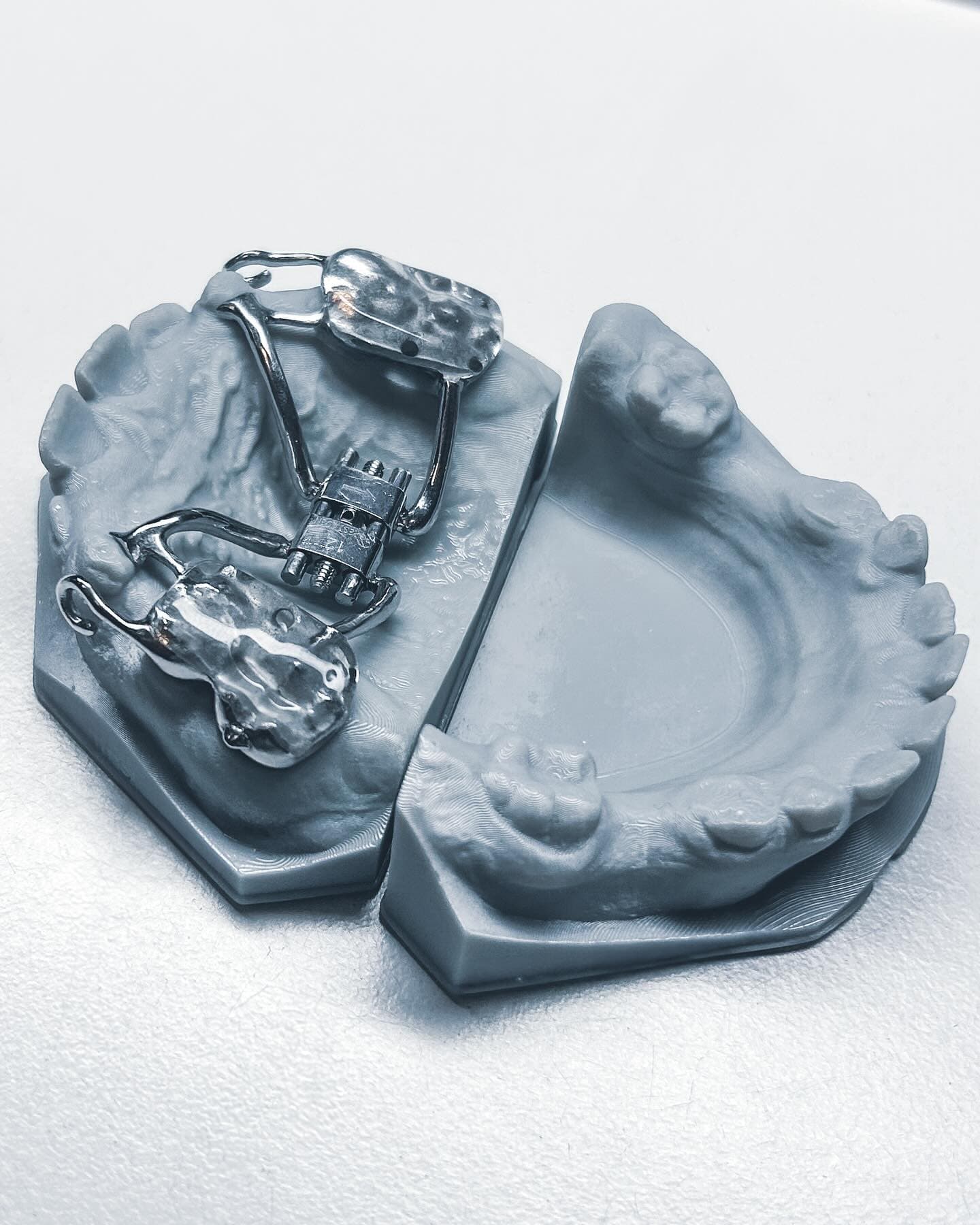
The 3D Printing Revolution in Orthodontics: What Every Clinic Should Know
From thermoforming bases to direct-print appliances, 3D printing has become the backbone of modern orthodontic lab production. Here's what clinics should understand about this shift.
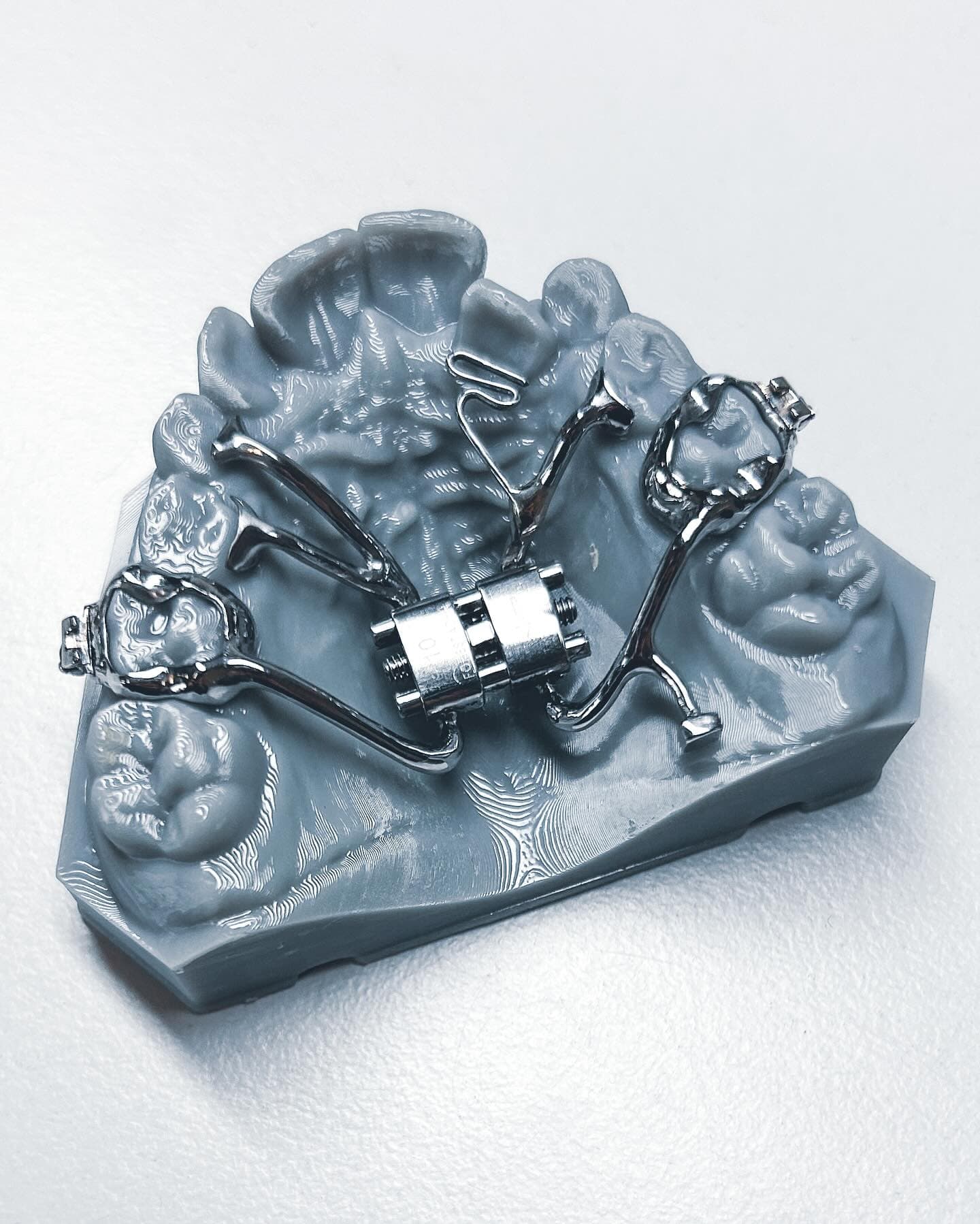
AI and Machine Learning in Orthodontic Treatment Planning
Artificial intelligence is no longer a buzzword in orthodontics — it's becoming a practical tool. From automated segmentation to predictive treatment outcomes, AI is reshaping how cases are planned.
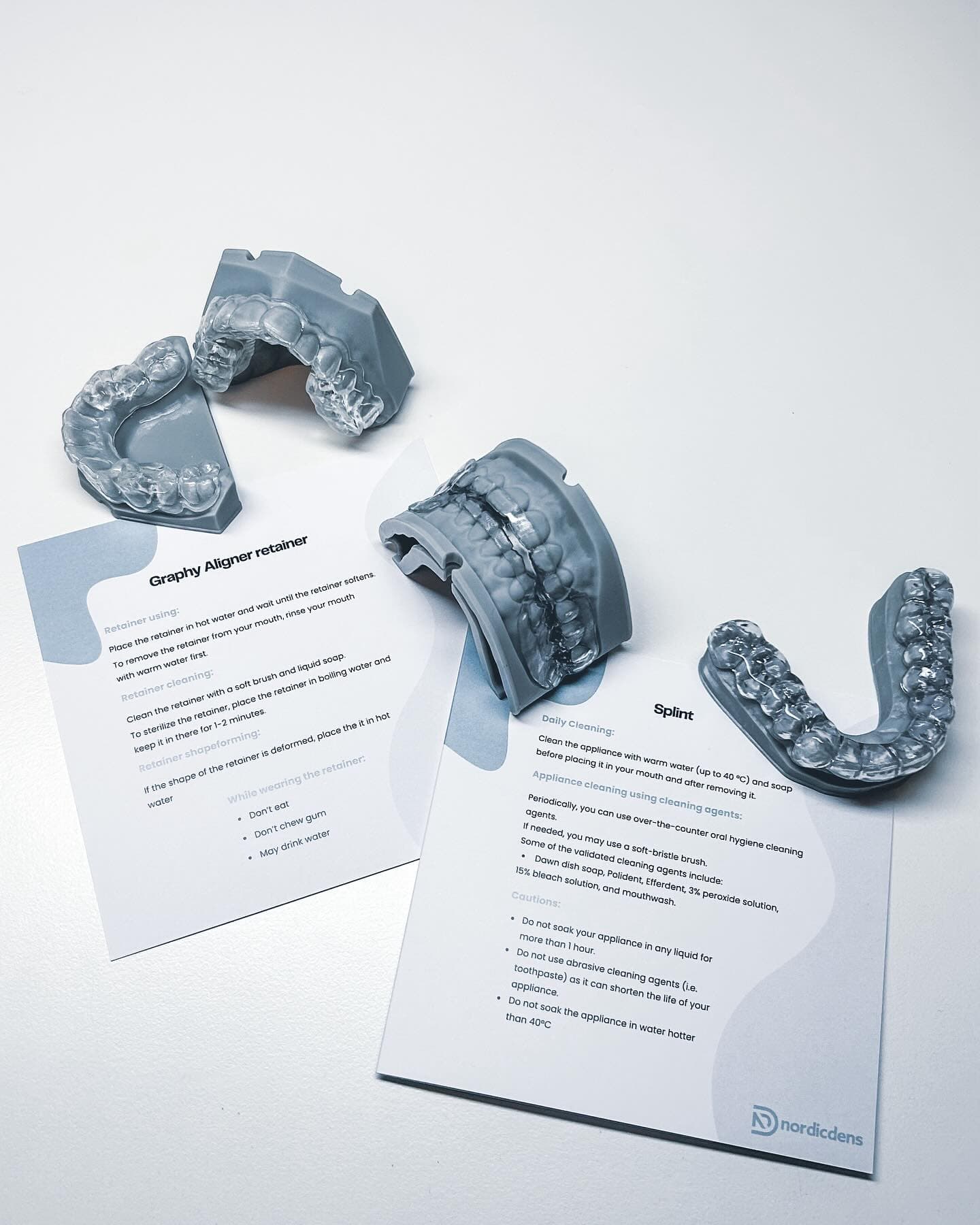
Direct 3D Printed Appliances: Moving Beyond Models
3D printing in orthodontics used to mean printing models. Now, labs are printing the appliances themselves — aligners, retainers, and splints — from biocompatible resins designed for intraoral use.