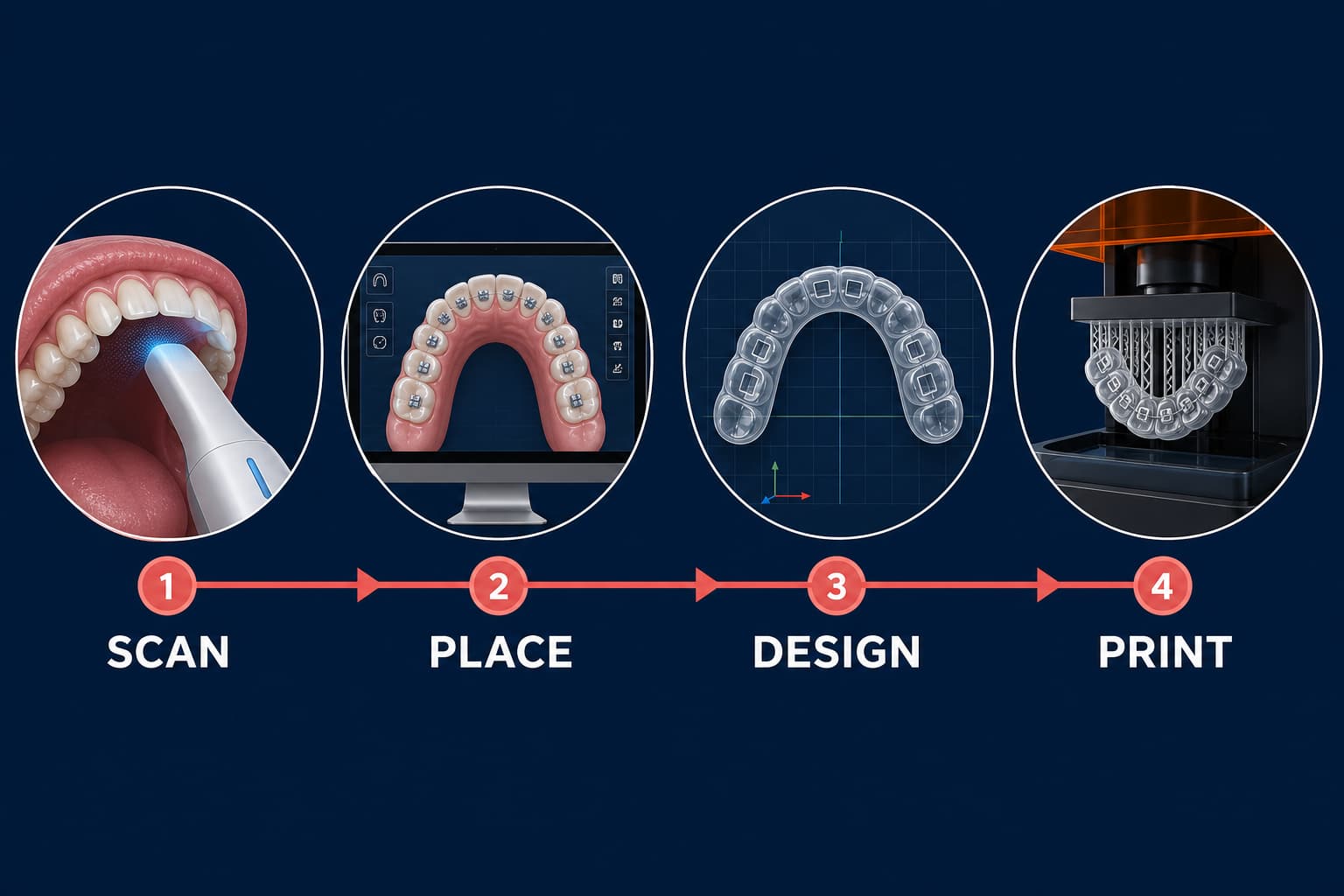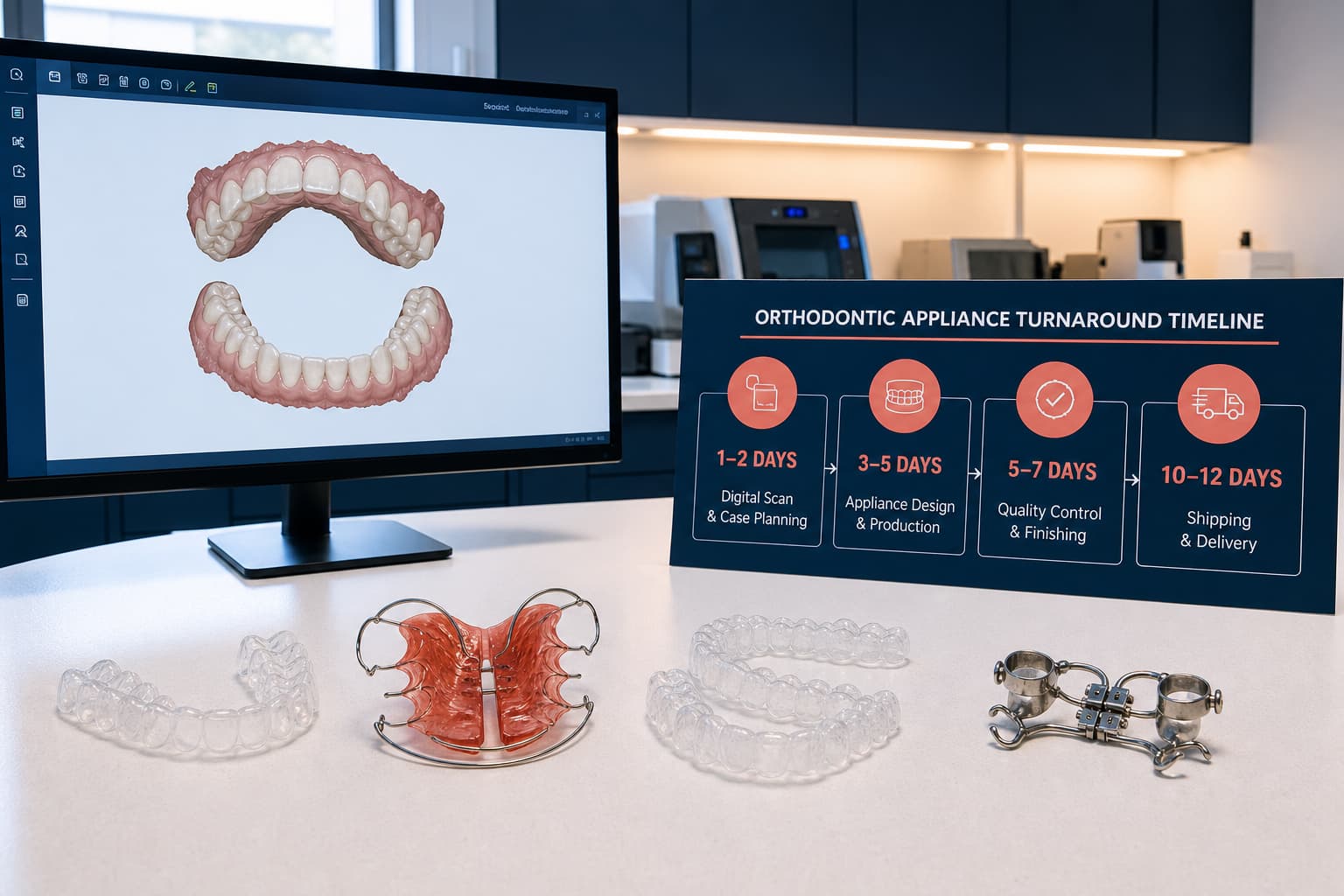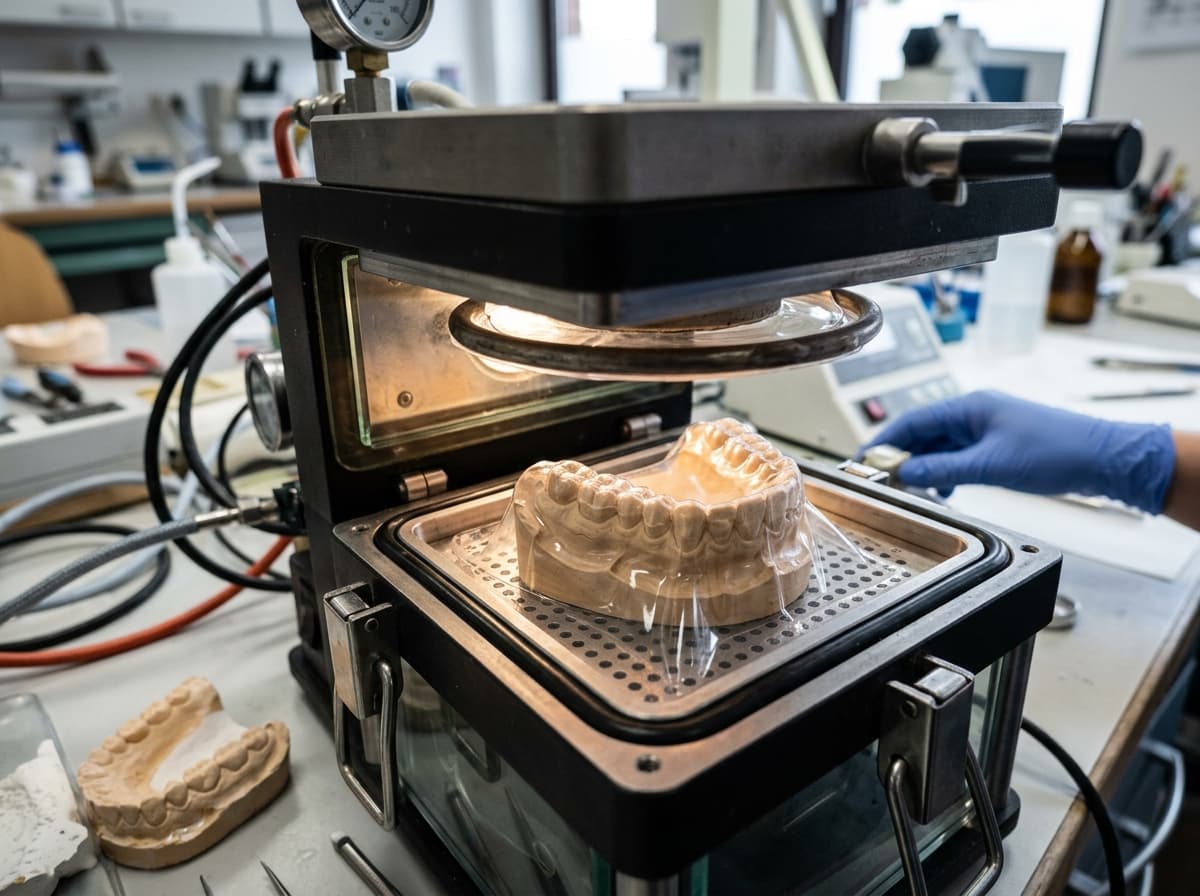
Thermoforming is the primary industrial method for translating digital orthodontic treatment plans into high-fidelity physical appliances. While the industry continues to investigate the potential of direct-print resins, thermoforming remains the gold standard due to its established clinical efficacy, diverse material properties, and superior cost-efficiency. This process relies on the precise application of heat and pressure to adapt a thermoplastic sheet over a 3D-printed model, ensuring that the programmed tooth movements are accurately delivered to the patient.
The Mechanics of Pressure vs. Vacuum Forming
In the production of orthodontic appliances, the choice between vacuum and pressure forming determines the accuracy and retention of the final device.
- Vacuum forming utilizes atmospheric pressure to pull a heated plastic sheet onto a dental model. While this method is sufficient for producing simple bleaching trays or sports mouthguards, it often lacks the resolution required for complex tooth movements. It is prone to "webbing" or thinning in deep interproximal spaces, which can compromise the structural integrity of the appliance.
- Pressure forming serves as the professional laboratory standard. By applying high-pressure air (up to 6 bar) from above while simultaneously evacuating air from below, the system forces the material into every undercut and cervical margin. This creates the "snap-fit" necessary for the modern evolution of clear aligners and the execution of complex force systems.
Strategic Material Selection
Choosing the right thermoplastic requires you to balance transparency, elasticity, and durability. The material you select must withstand the oral environment without degrading or losing its active force.
PETG (Polyethylene Terephthalate Glycol)
PETG is the industry workhorse, favored for its exceptional clarity and ease of forming. It is highly cost-effective and provides the rigid force necessary for retention and short-term aligner stages. However, PETG is hygroscopic; if the sheets absorb moisture from the air before heating, they will bubble during the thermoforming process, ruining the appliance.
Polyurethane (PU)
Often utilized in premium multi-layered materials, PU offers superior stress relaxation properties. Unlike PETG, which may take a permanent set more quickly, PU maintains its active force over a longer period. This elasticity makes it ideal for patients requiring more comfortable, sustained pressure during active treatment phases.
Polypropylene and Polyethylene
These materials are typically reserved for softer applications. Because they prioritize flexibility and impact absorption over rigid tooth movement, they are the preferred choice for heavy-duty sports mouthguards or bleaching trays.
The Digital-to-Physical Workflow
The success of any thermoformed appliance depends entirely on the precision of the model it is formed over. Integrating a professional digital workflow from intraoral scan to appliance is essential for maintaining accuracy. To ensure a successful thermoforming cycle, you must adhere to several technical requirements:
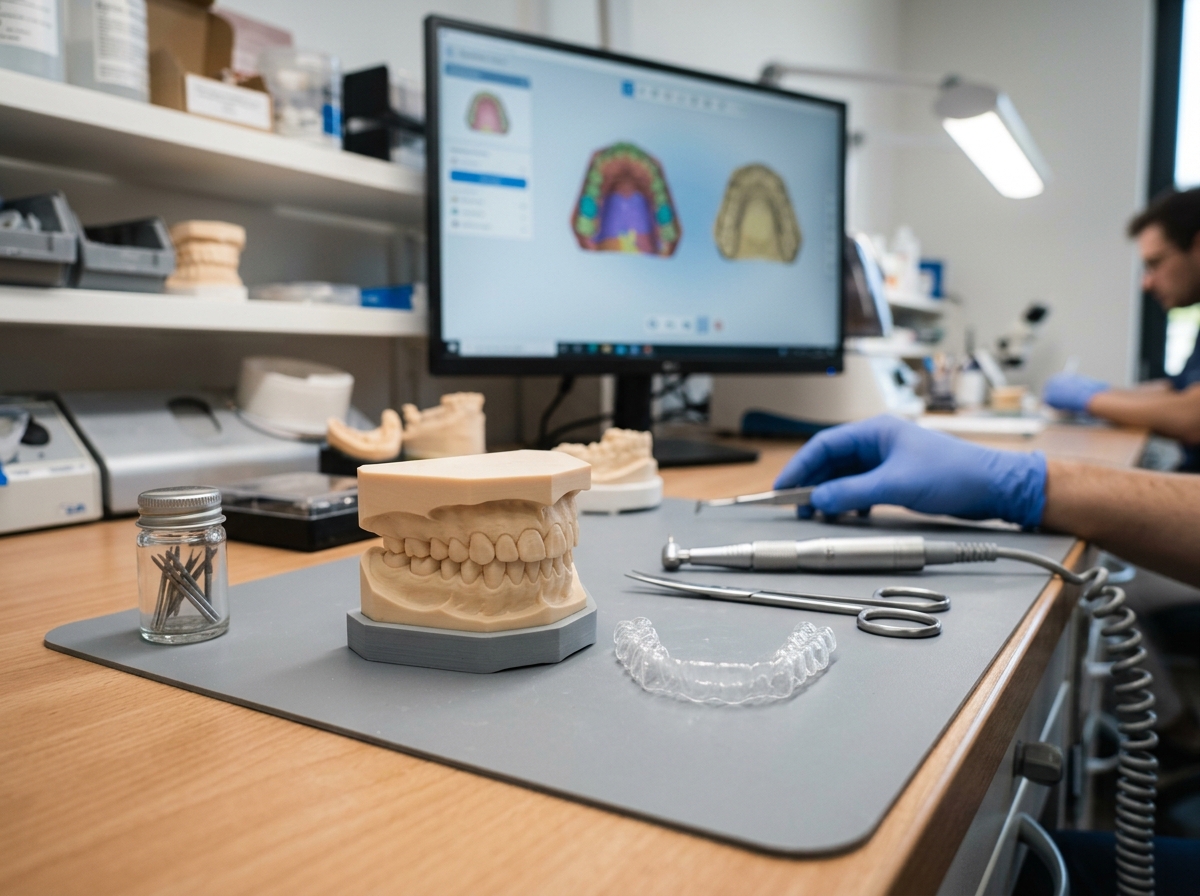
- Model Preparation: The 3D-printed model must be fully post-cured and completely dry. Residual moisture or uncured resin can outgas when heated, leading to surface defects or poor adaptation.
- Thermal Cycle Management: Every material has a specific heating and cooling window. Deviating from these manufacturer-specified times can introduce internal stresses into the plastic, causing the aligner to warp or lose its shape once removed from the model.
- Precision Trimming: The clinical performance of your appliance is often determined by the trim line. A scalloped trim that follows the gingival margin offers more flexibility, whereas a straight cut 2mm above the margin provides significantly higher retention and torque control for complex movements.
Clinical Applications in Modern Orthodontics
A single high-pressure thermoforming setup allows your practice or laboratory to produce an extensive array of clinical solutions:
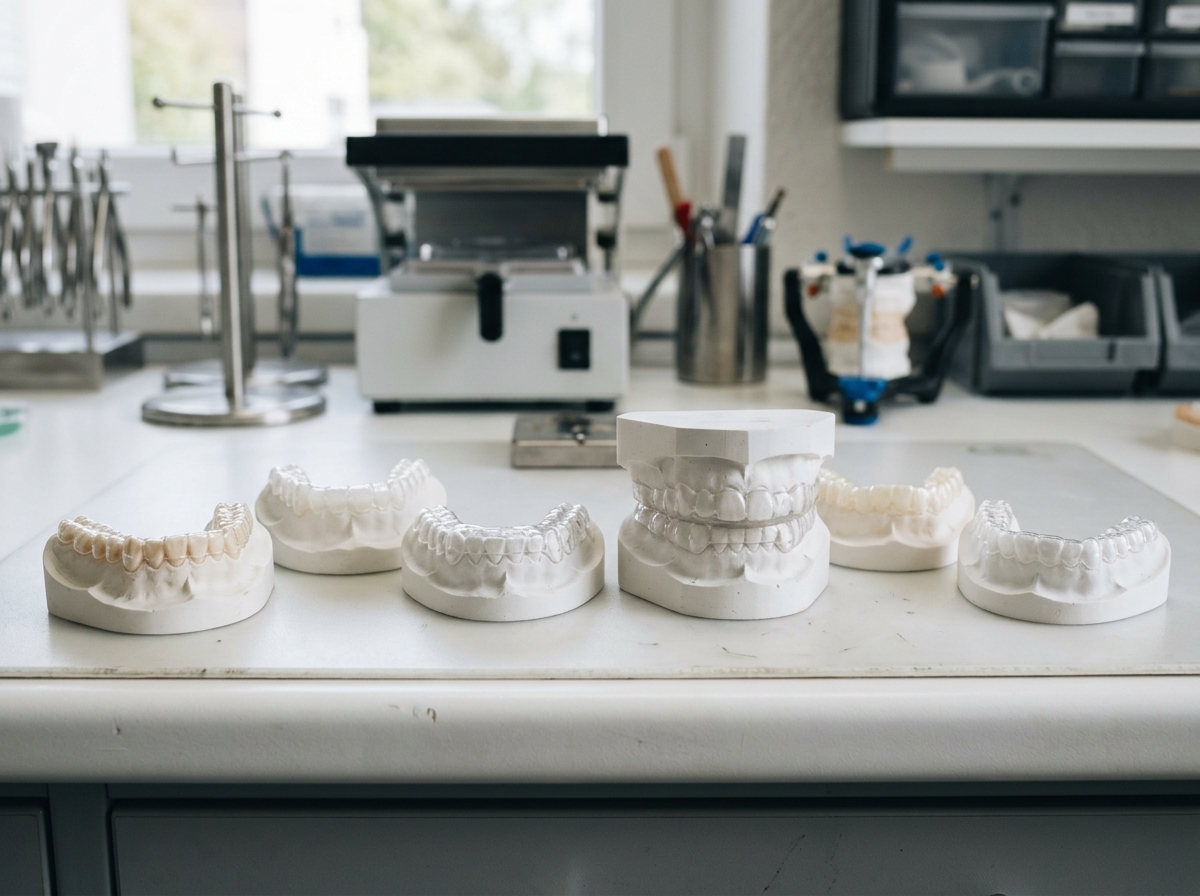
- Clear Aligners: Sequential trays that apply incremental pressure to move teeth according to a digital setup.
- Retention Appliances: Durable, rigid trays (often 1.0mm thick) designed to maintain the final tooth position and prevent relapse.
- Indirect Bonding Trays (IBT): Specialized soft materials used to accurately transfer bracket positions from a digital model to the patient’s teeth.
- Bruxism Splints: Dual-laminate materials that provide a soft internal fit for comfort and a hard occlusal surface to resist wear from grinding.
Elevating Your Appliance Production
Understanding these technical nuances allows you to troubleshoot fit issues and select materials that align with your clinical goals. While the thermoforming process is mechanical, the precision is inherently digital. By pairing advanced 3D-printed models with high-pressure manufacturing, you ensure that the biological response in your patient matches your digital treatment plan.
If you are looking to integrate high-precision thermoformed appliances into your workflow without the overhead of in-house manufacturing, Nordicdens provides the laboratory expertise needed to bridge that gap.
Contact our lab team today to discuss how our digital-to-thermoform workflow can streamline your appliance delivery and improve your clinical outcomes.