Selecting the ideal retention strategy requires you to balance clinical longevity against patient compliance. While clear vacuum-formed retainers (VFRs) currently dominate the market due to their superior aesthetics, Hawley retainers remain a vital standard for durability and occlusal settling. Your choice determines the frequency of emergency appointments and the long-term stability of the orthodontic result.
Structural Differences and Clinical Utility
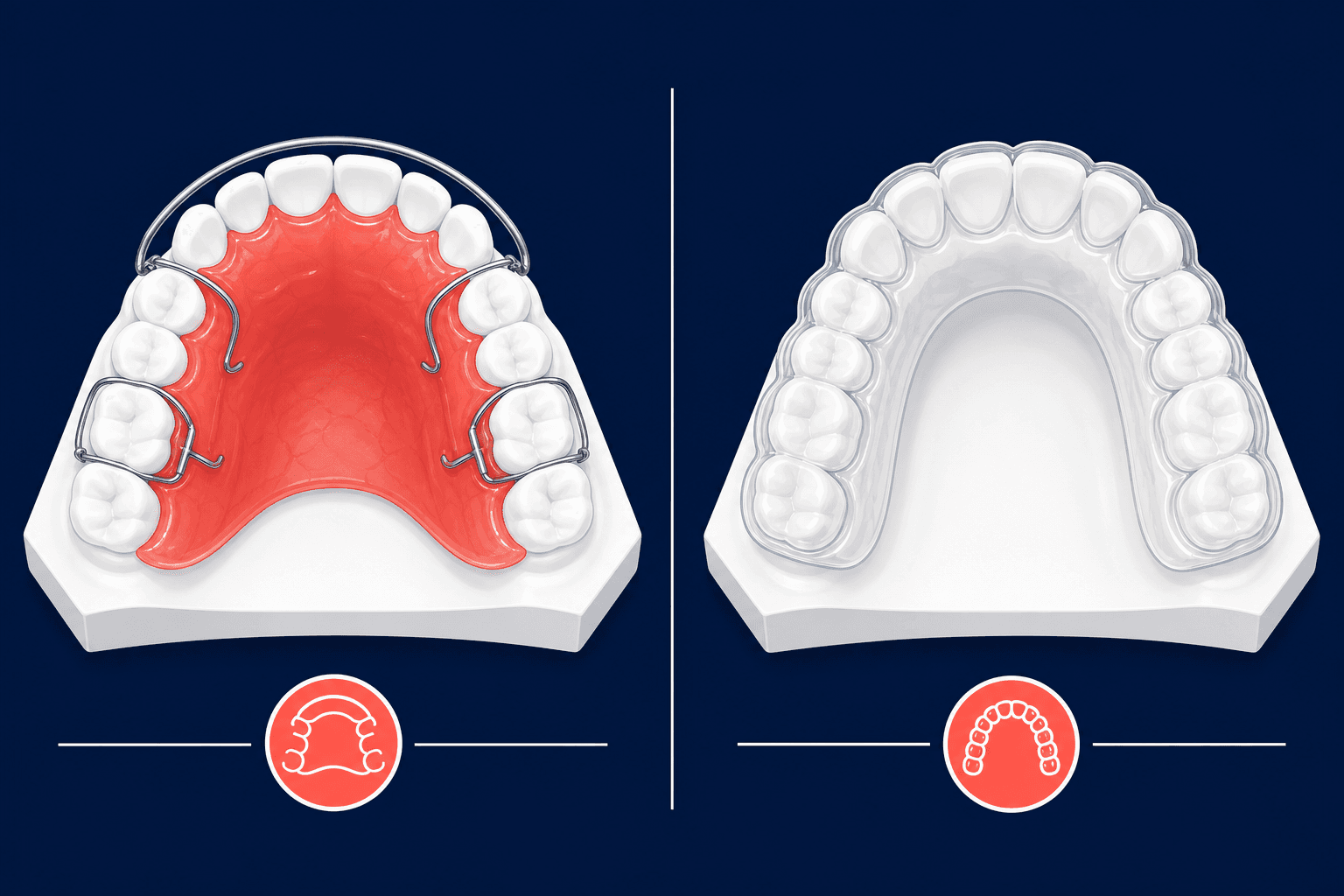
The Hawley retainer utilizes a classic construction of an acrylic baseplate and a labial archwire. Its primary clinical advantage is adjustability; the wire allows you to perform minor tooth movements or tighten the appliance as the case matures. Furthermore, the Hawley design facilitates natural occlusal settling. Because the appliance does not cover the occlusal surfaces, posterior teeth can achieve better intercuspation during the retention phase, refining the bite post-treatment.
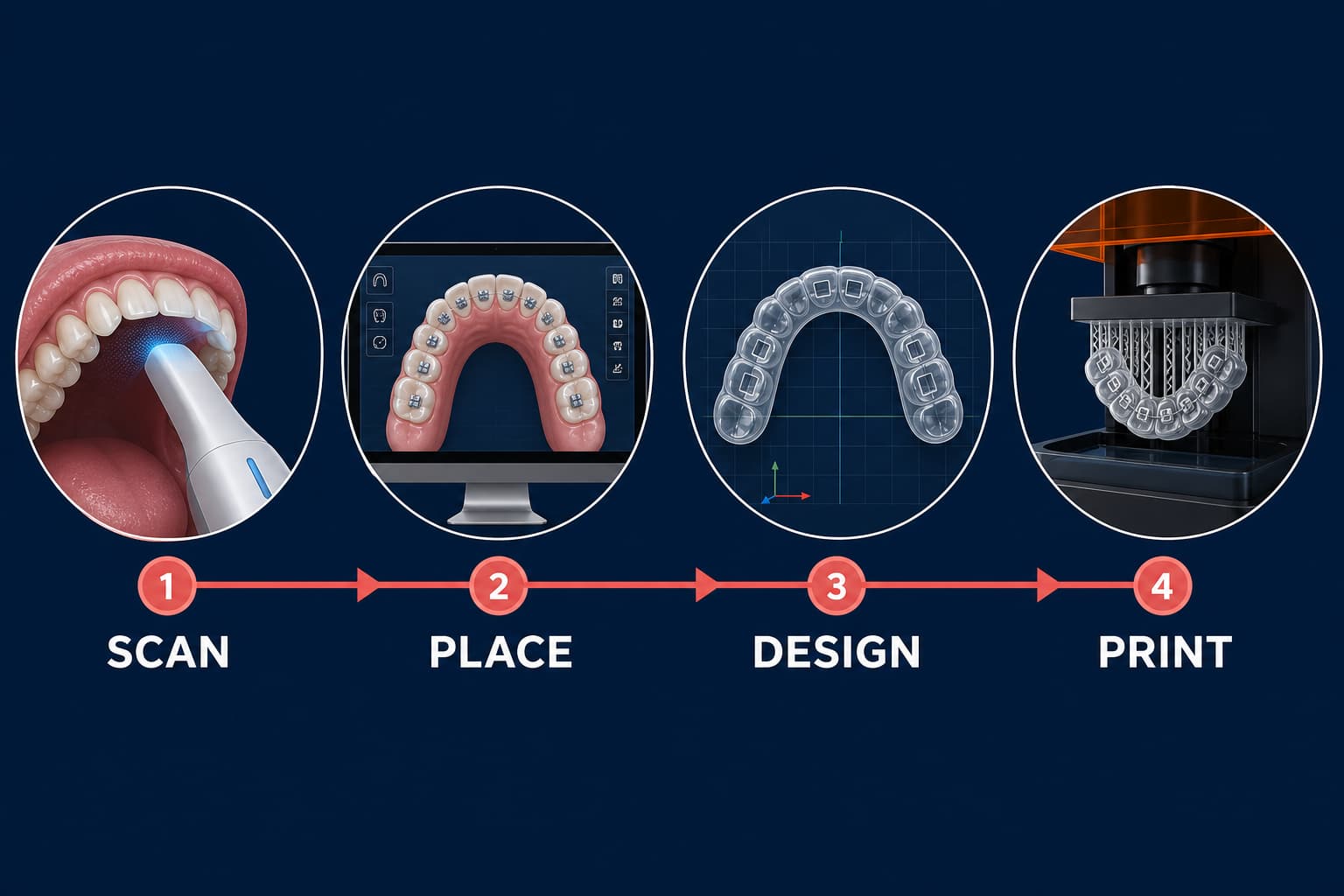
In contrast, clear retainers – often referred to as Essix retainers – are thermoplastic shells that encapsulate the entire arch. These are increasingly fabricated through a precise digital workflow from intraoral scan to appliance, where digital impressions replace traditional alginate to ensure a micron-accurate fit. While VFRs are exceptionally effective at maintaining exact tooth position, their full-coverage design prevents posterior settling, which may be a disadvantage in cases requiring occlusal refinement.
Patient Experience: Speech, Comfort, and Hygiene
Patient preference heavily favors clear retainers, primarily because they are nearly invisible during social interaction. While perceptions of comfort vary, you will likely find that patients rate vacuum-formed retainers higher for confidence and initial social ease. However, clinical considerations regarding speech and hygiene offer a more nuanced perspective.

- Speech and Adaptation: Clear retainers generally interfere less with phonetics. Although the bulk of a Hawley acrylic plate can be off-putting for patients with a sensitive gag reflex, most individuals adapt to either appliance within a short period, showing no significant long-term difference in speech impediment.
- Hygiene and Maintenance: You should advise patients that Hawley appliances are often easier to maintain. Their open design is less prone to the bacterial buildup and plaque accumulation often found in the deep occlusal crevices of thermoplastic shells.
- Physical Sensation: Pressure and "sharpness" are reported similarly across both groups. While the Hawley is more physically substantial, the thin edges of a VFR can occasionally cause soft tissue irritation if not perfectly trimmed.
Resilience and Replacement Frequency
Durability remains the strongest argument for the Hawley retainer. The combination of stainless steel and high-grade acrylic is robust enough to last for years with proper care. Thermoplastic retainers are inherently more fragile, susceptible to cracking, discoloration, and "stretching" over time. For patients with bruxism, a standard vacuum-formed retainer may fail within months, leading to unplanned clinic visits.
The 3D printing revolution in orthodontics is rapidly narrowing this durability gap. By moving away from traditional thermoforming and toward direct 3D printed orthodontic appliances, labs can now utilize specialized resins. Modern high-performance orthodontic 3D printing materials, such as Graphy Tera Harz, offer improved flexural strength and shape-memory properties. These innovations provide a clear retention solution that is significantly more resilient than previous generations of plastics.
Modernizing the Manufacturing Workflow
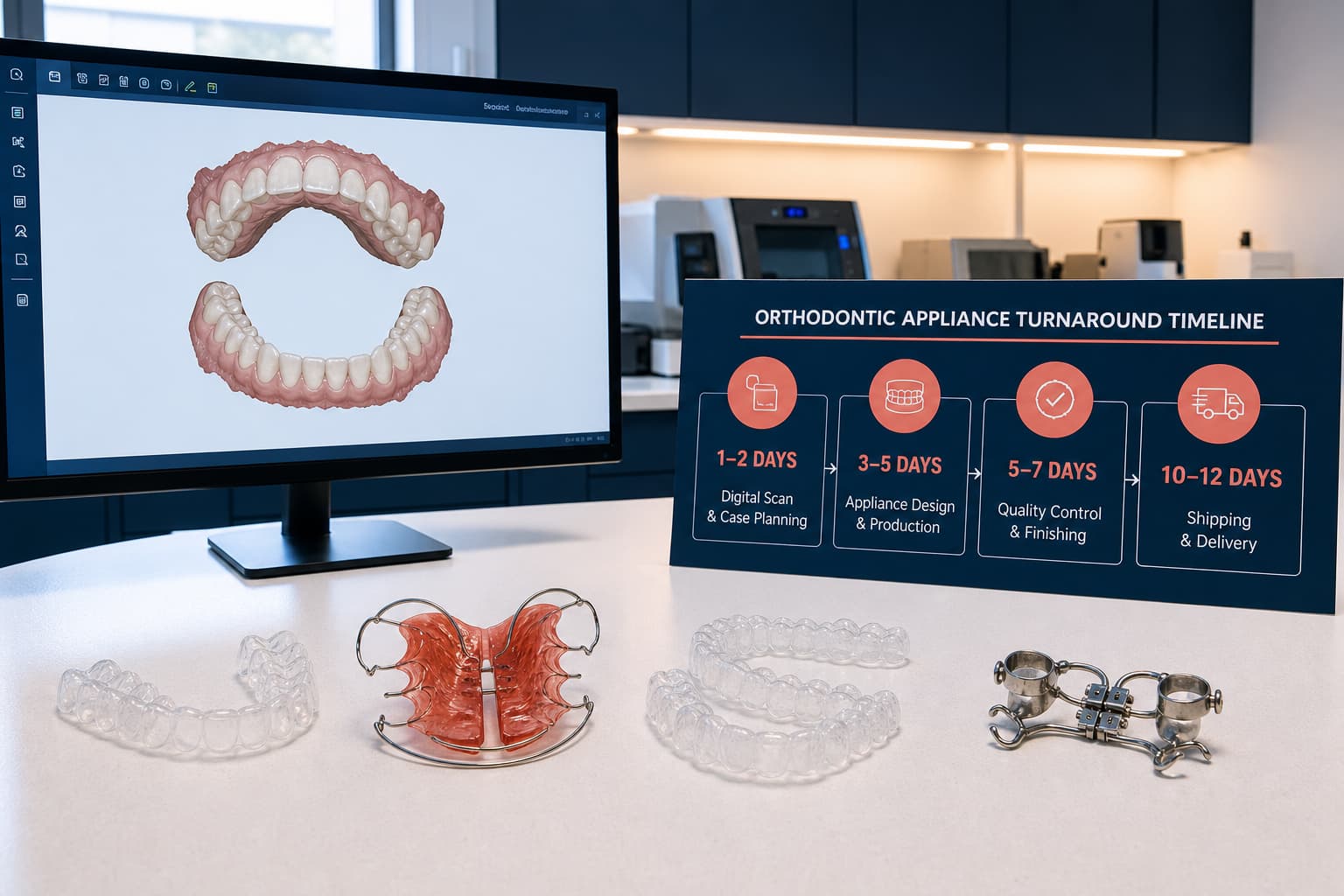
The transition from manual to digital production has transformed the logistics of retention for your clinic. Traditional Hawley fabrication is labor-intensive, requiring manual wire bending and acrylic curing. Conversely, clear retainers are now part of a streamlined digital chain that maximizes efficiency.
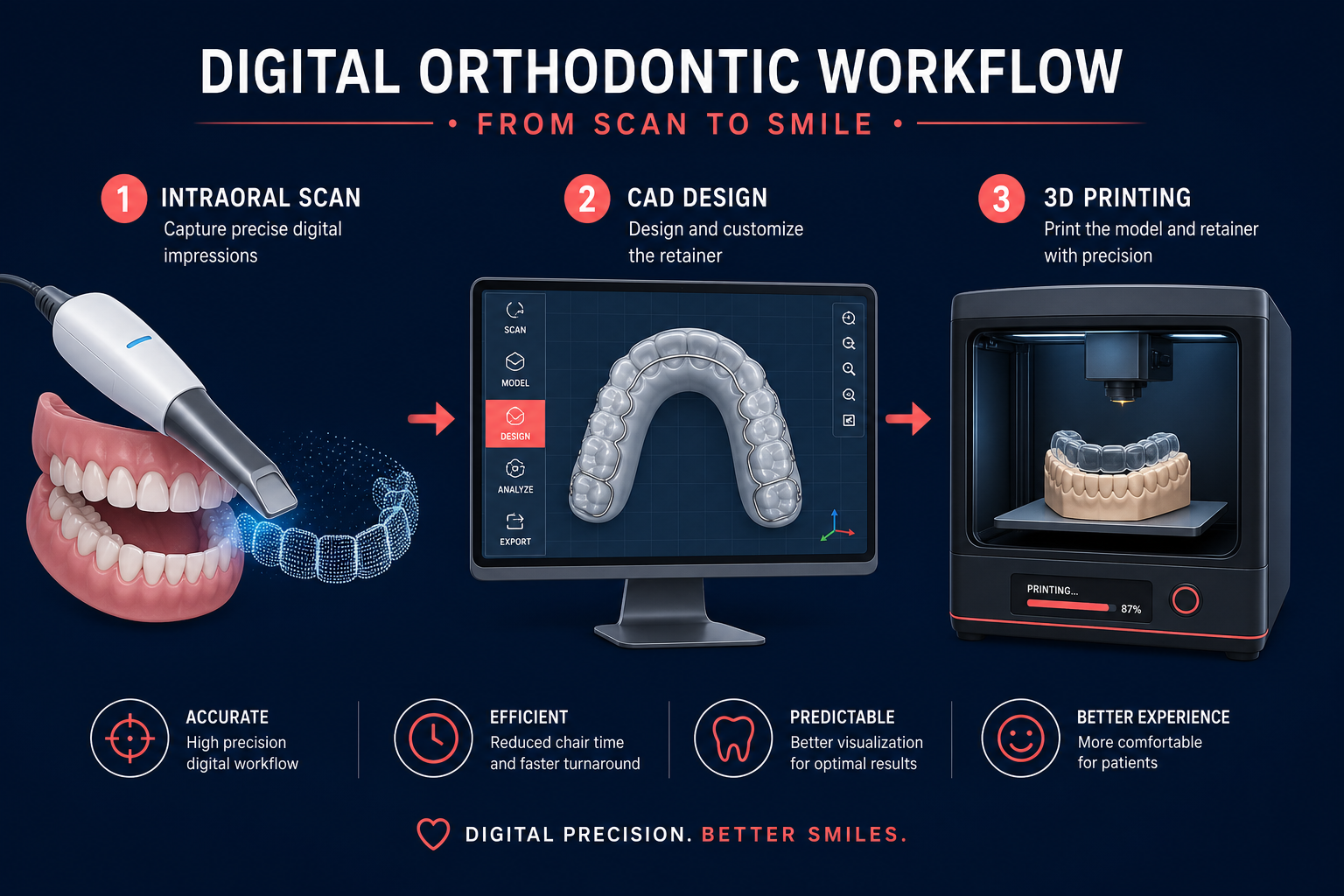
- Digital Capture: You capture the patient’s dentition using an intraoral scanner, eliminating the discomfort of traditional trays.
- CAD Design: Technicians design the appliance geometry digitally, allowing for precise control over thickness and extensions.
- Automated Manufacturing: The lab 3D prints a high-resolution model for thermoforming or prints the retainer directly from biocompatible resin.
This digital approach virtually eliminates the fit issues common with traditional impressions. It also simplifies the reproduction of lost appliances. If your patient loses their retainer, you can order a replacement from the archived digital file, often without requiring the patient to return for a new scan.
Balancing the Clinical Choice
For patients who prioritize invisibility and immediate comfort, clear retainers remain the preferred choice, provided you utilize high-quality materials to mitigate wear. For patients requiring long-term stability with minimal intervention – or those who would benefit from occlusal settling – the Hawley remains a vital tool in your clinical repertoire.
NordicDens supports your clinic in navigating these choices by providing both precision-crafted traditional appliances and cutting-edge 3D-printed solutions. Our lab expertise ensures your patients receive the best fit possible, whether you are transitioning to a fully digital workflow or refining your current retention protocols.
Integrate digital manufacturing into your clinic today to enhance your retention outcomes. Contact NordicDens to explore our direct-print and thermoformed solutions.