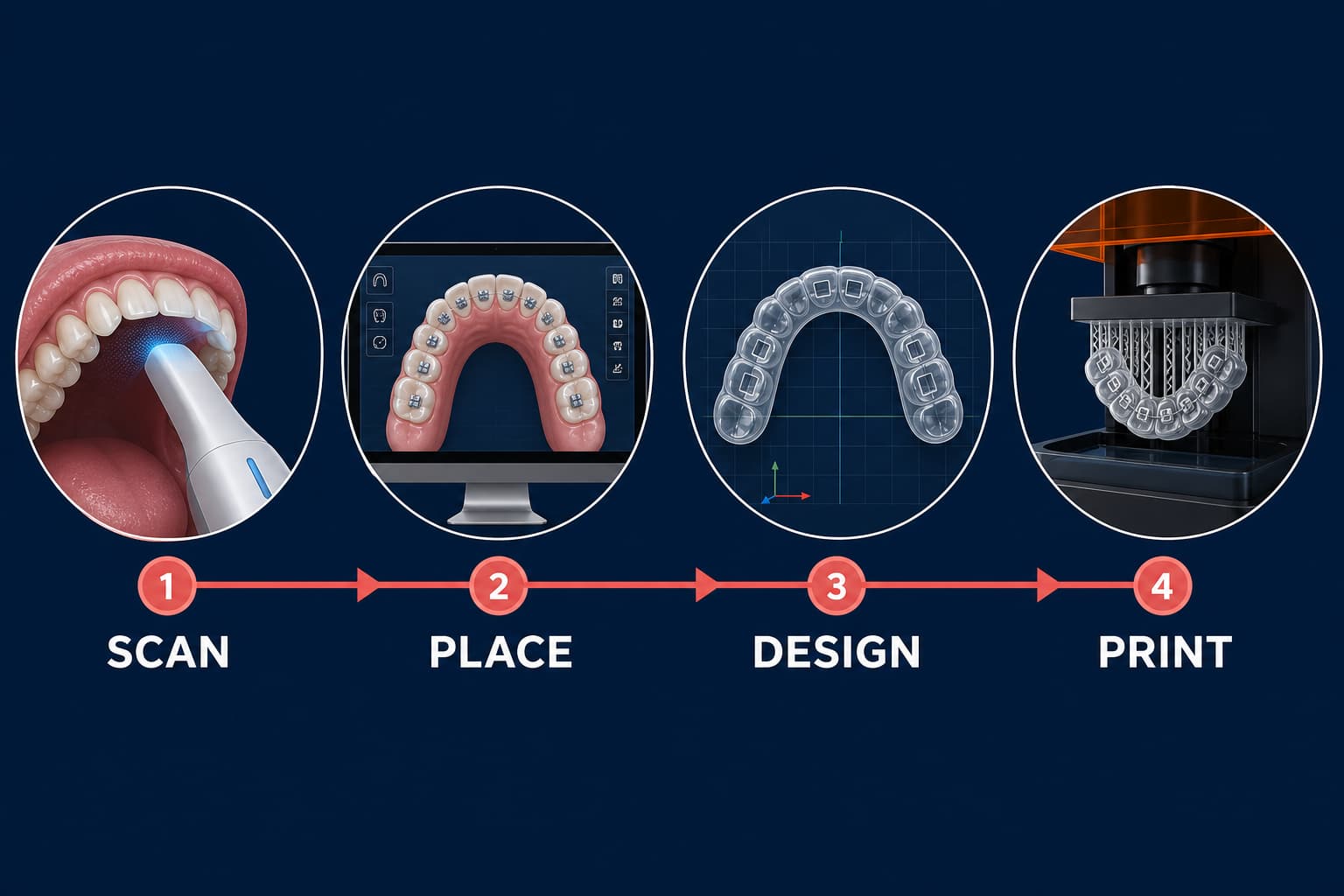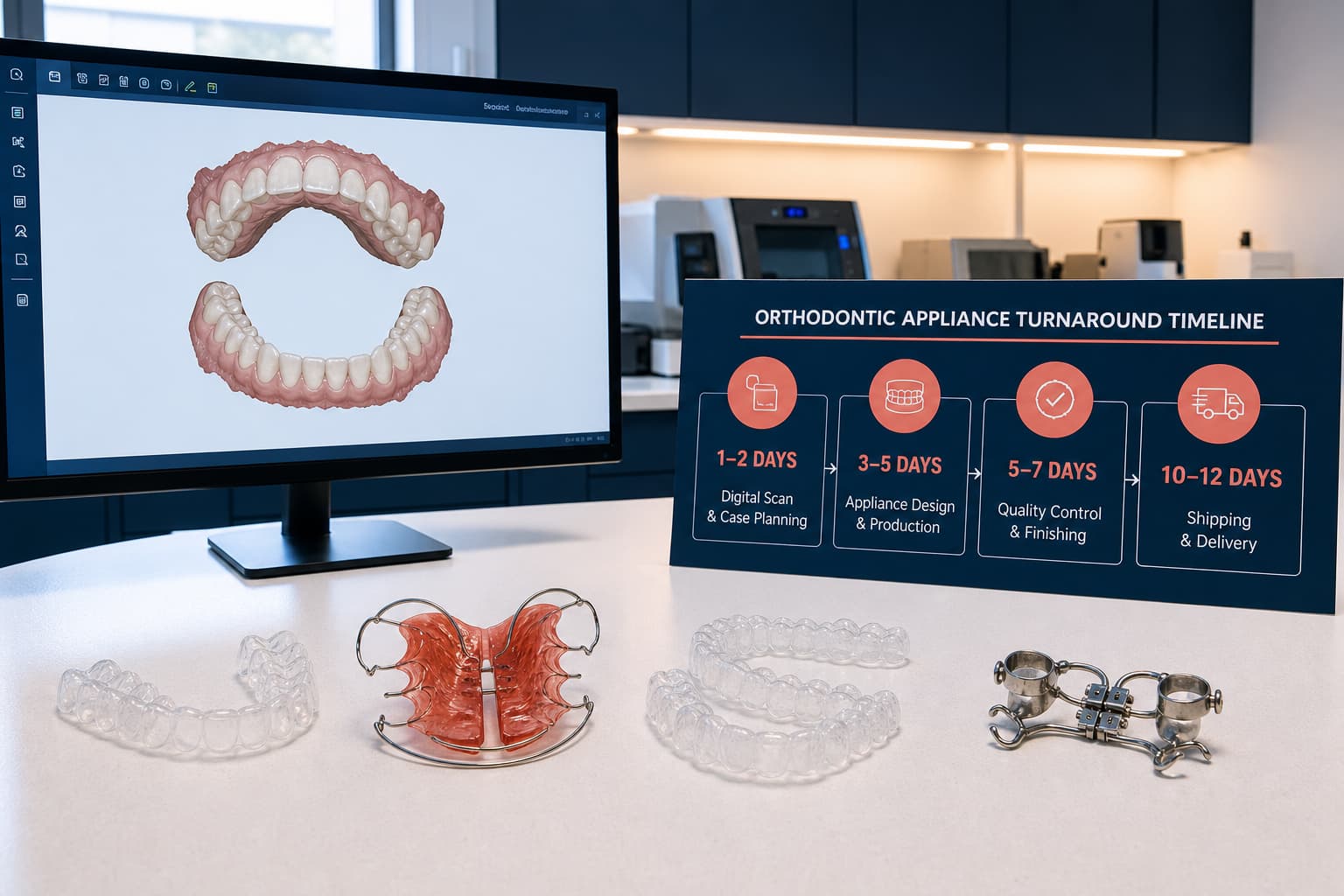
STL files serve as the universal language of digital orthodontics, converting complex patient anatomy into a 3D mesh that drives the production of everything from diagnostic models to direct-printed aligners. While newer formats like PLY and OBJ have gained some traction, the STL (Standard Tessellation Language) remains the industry standard for 3D printing because of its wide compatibility across CAD software and additive manufacturing hardware. By mastering the nuances of this file format, your clinic can ensure higher precision, fewer manufacturing errors, and a more streamlined lab partnership.
Understanding the STL Architecture
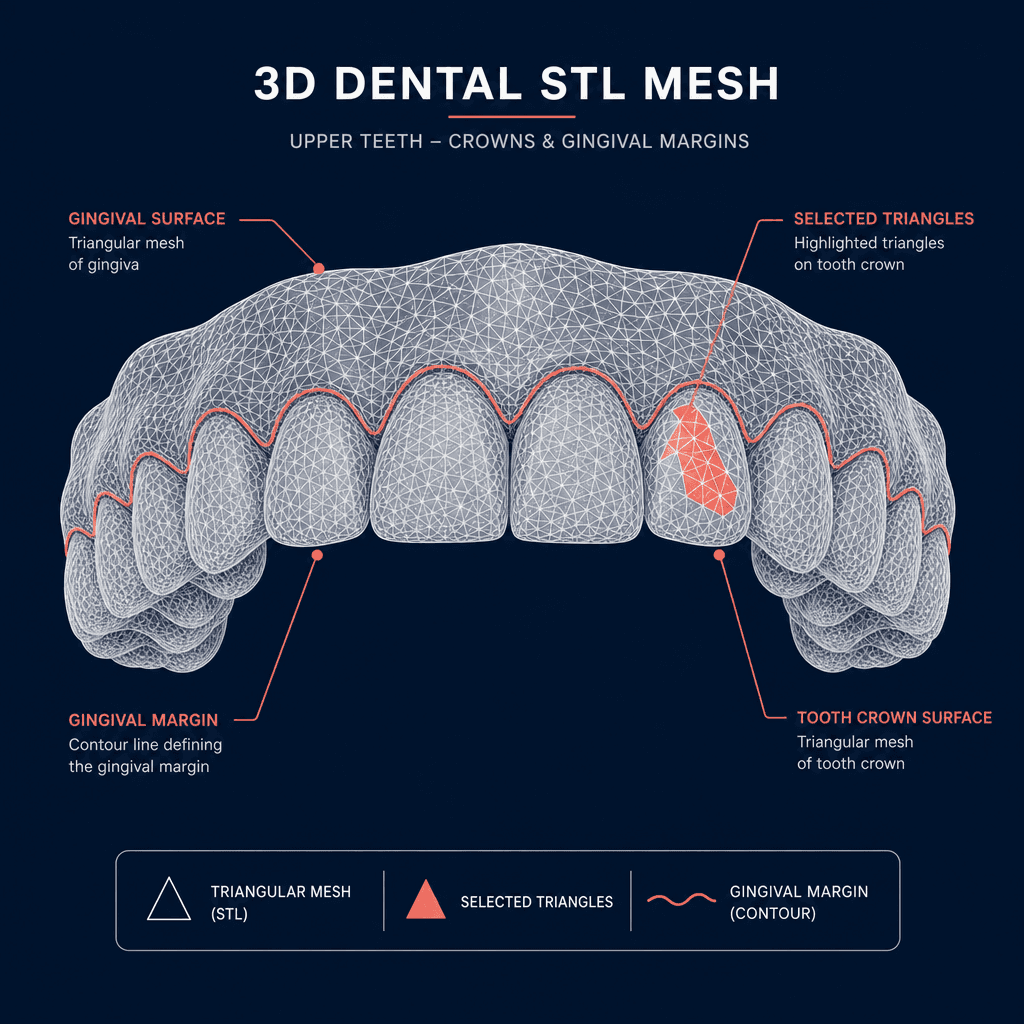
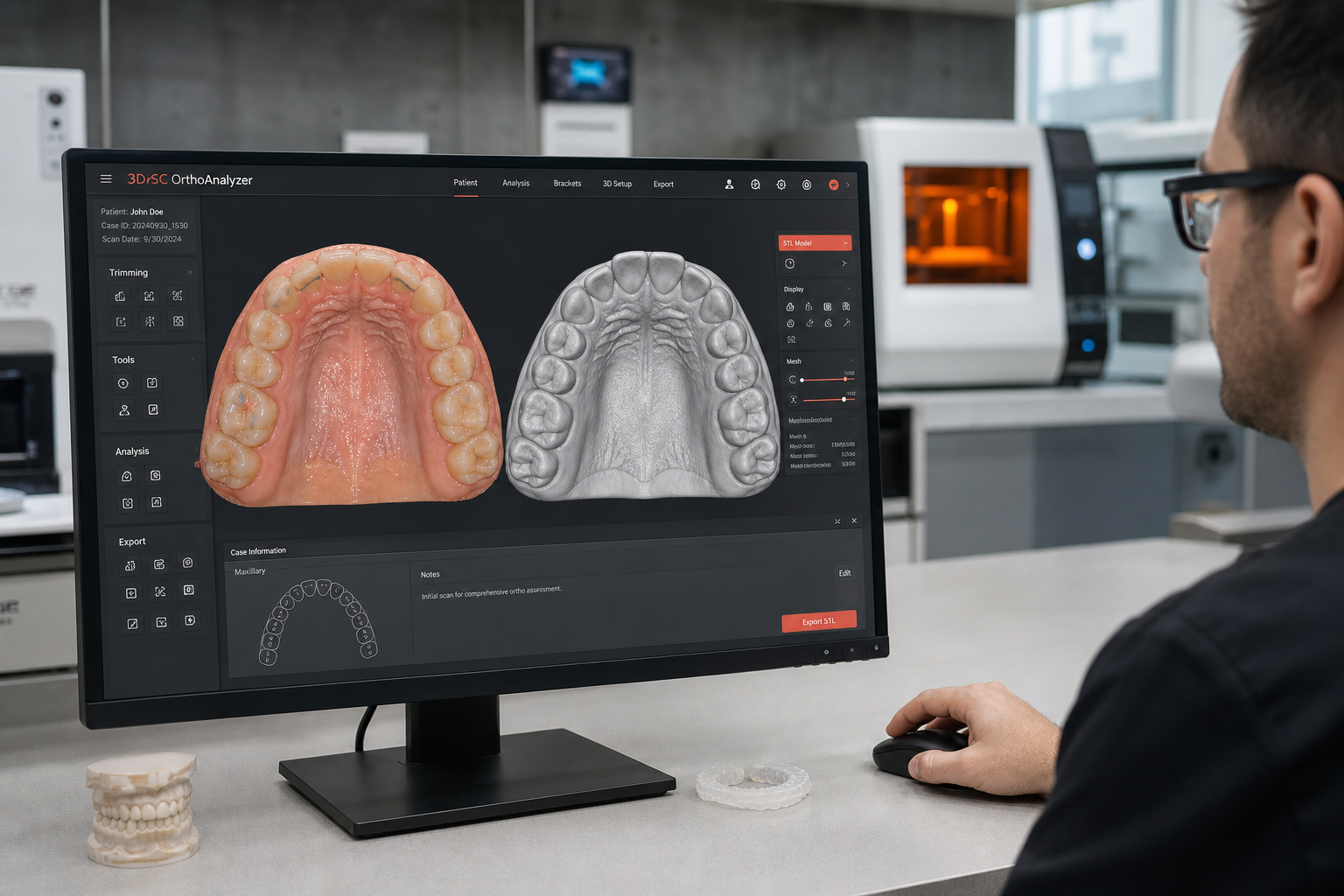
At its core, an STL file describes the surface geometry of a 3D object using a collection of interconnected triangles. In orthodontics, this "mesh" represents the crowns of the teeth and the gingival margins captured during an intraoral scan. The density of these triangles determines the resolution of the model; a higher triangle count results in a smoother, more accurate surface representation.
A novel aspect of the STL format is its functional simplicity. Unlike PLY or OBJ files, an STL file focuses exclusively on geometry. It does not store color, texture, or patient metadata. While some clinicians initially view the lack of color as a disadvantage for diagnostic visualization, this minimalism is exactly why the format is so robust for manufacturing. It creates a lightweight, high-precision file that 3D printers can process efficiently without the risk of software crashes or data corruption common with more complex, "heavy" file types that carry unnecessary aesthetic data.
Technical Compatibility and Scanner Integration
Most modern intraoral scanners, including those from iTero, 3Shape TRIOS, and Medit, offer the ability to export in STL format. This "open" architecture is critical for clinics that want to maintain control over their digital assets and choose their own lab partners. Proprietary, "closed" formats can often lock a practice into a specific ecosystem, limiting your ability to utilize third-party innovation.
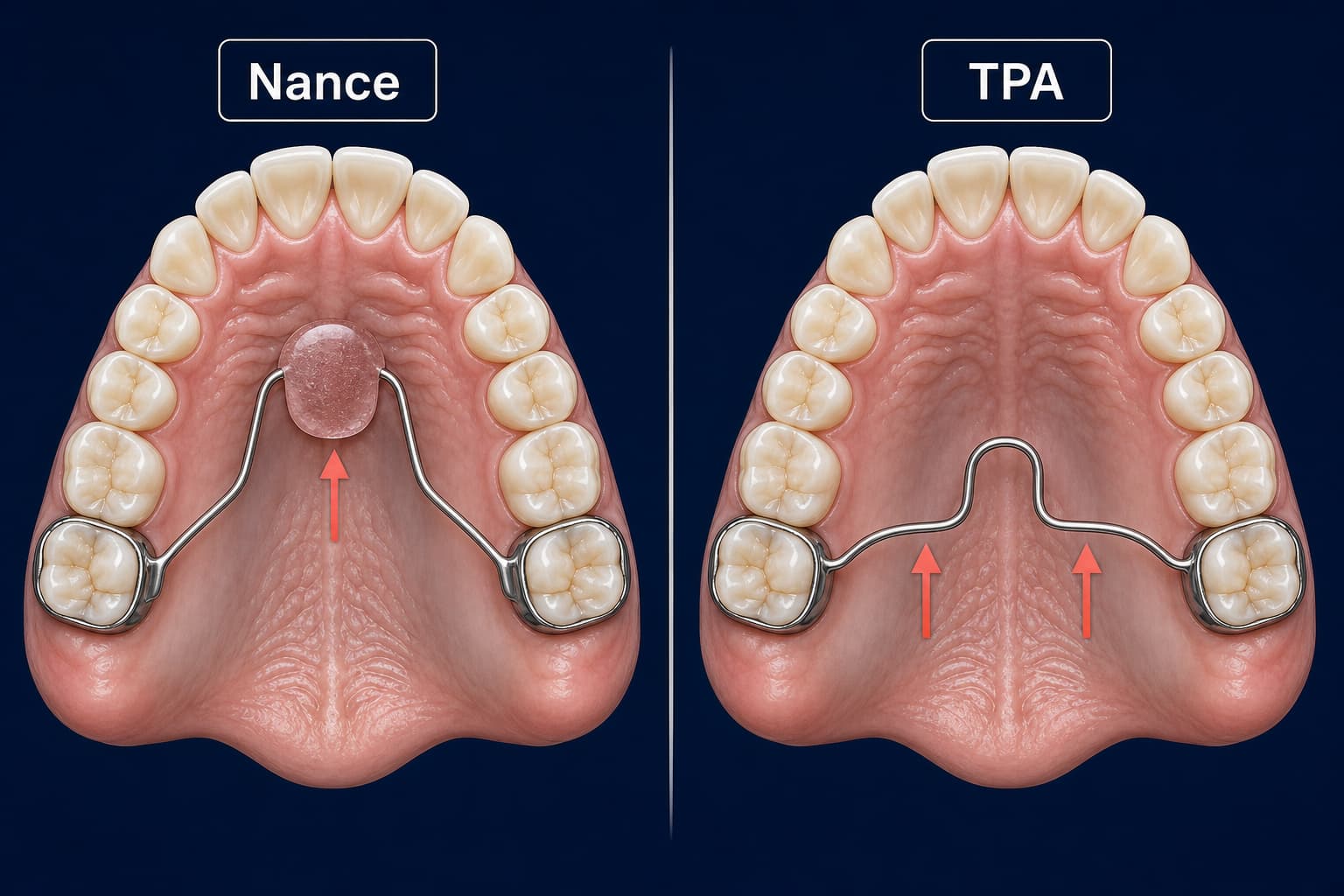
When you are transitioning from intraoral scans to appliances, the fidelity of the STL file is the primary determinant of the final fit. While the scanner hardware captures the raw data, the resolution of the exported STL mesh dictates how much detail is preserved. For high-precision applications like Rapid Palatal Expanders (RPEs) or distalizers, ensuring your scanner settings are optimized for high-density STL export is essential. Low-resolution exports can lead to "smoothing" errors, where fine anatomical details are lost, potentially resulting in clinical inaccuracies during appliance seating.
Practical Application in the Digital Workflow
The integration of STL files into your daily operations allows for a seamless transition from chairside scanning to lab fabrication. Once a scan is exported, the digital workflow typically follows these critical stages:
- File Validation: The STL mesh is checked for "watertightness," ensuring there are no holes or gaps in the scan that could lead to 3D printing failures or mesh distortions.
- CAD Design: Specialized software uses the STL data to design orthodontic appliances. This is where AI-driven treatment planning can assist in segmenting teeth and predicting movements with higher efficiency than manual methods.
- Slicing and Printing: The digital design is "sliced" into thin horizontal layers that a 3D printer can interpret to build the physical object.
- Material Selection: The physical appliance is fabricated using orthodontic 3D printing materials tailored for specific clinical needs, such as high-temperature resins for thermoforming or biocompatible resins for direct intraoral use.
Managing Your Digital Assets
A common concern for clinics adopting a digital workflow is data ownership and long-term storage. Because STL files are a worldwide standard, you are not tethered to a single manufacturer’s ecosystem. This ensures that even if you switch scanner brands or software providers, your historical patient data remains accessible and usable in any standard 3D viewer or CAD program.
However, you must be diligent about file management. Because STL files lack built-in patient identifiers within the code itself, your filing system must rigorously link the filename to the patient record to ensure HIPAA and GDPR compliance. Many modern clinics now use secure cloud-based portals provided by labs to manage these transfers safely, ensuring that patient data is encrypted and organized automatically upon receipt.
The Future of the Digital Mesh
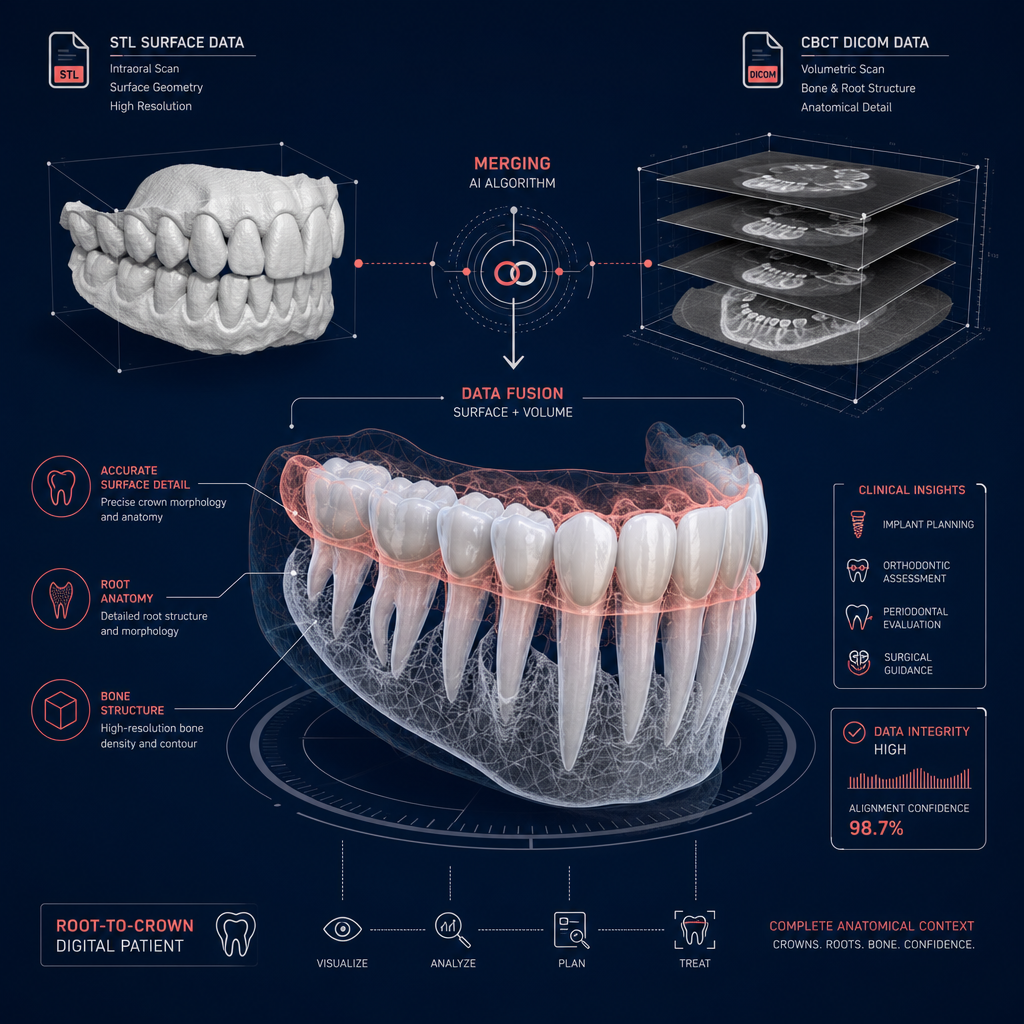
The 3D printing revolution in orthodontics is moving toward even more integrated workflows. We are seeing a shift where STL surface data is combined with CBCT (DICOM) data to create "root-to-crown" digital patients. This integration allows for more predictable treatment of complex malocclusions by visualizing root positions and bone density alongside crown movements.
While the format itself is decades old, the way we utilize STL files is becoming increasingly sophisticated. Whether you are producing simple retainers or navigating the evolution of clear aligners, mastering the management of these files is the first step toward a truly efficient digital practice.
If you are ready to transition your clinic to a fully digital workflow or need guidance on optimizing your scan exports for production, Nordicdens provides the technical expertise to support your journey. Our lab supports all major scanner platforms and specializes in converting your STL data into high-precision orthodontic appliances. Contact Nordicdens today to discuss how we can streamline your digital case submissions and improve your clinical outcomes.