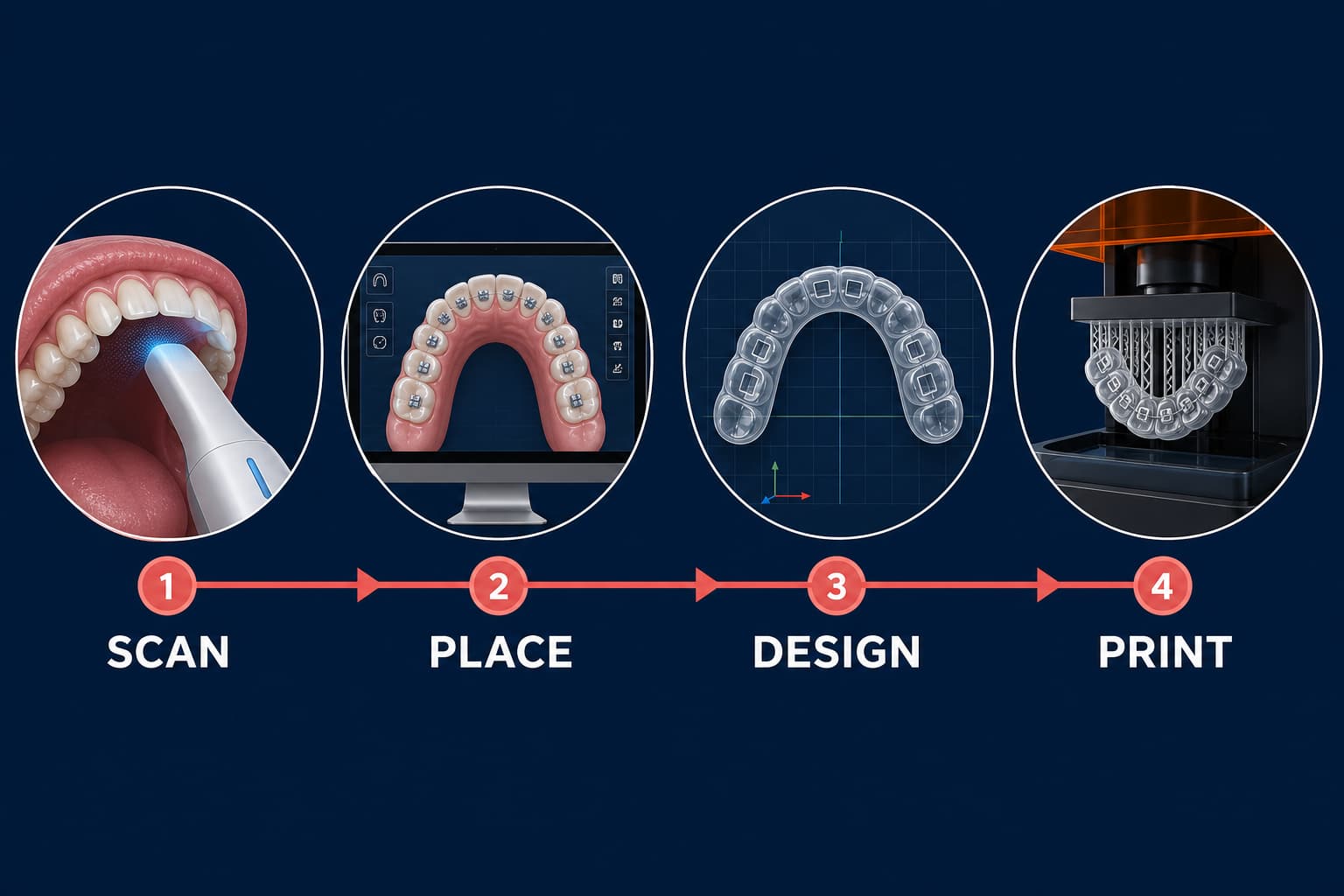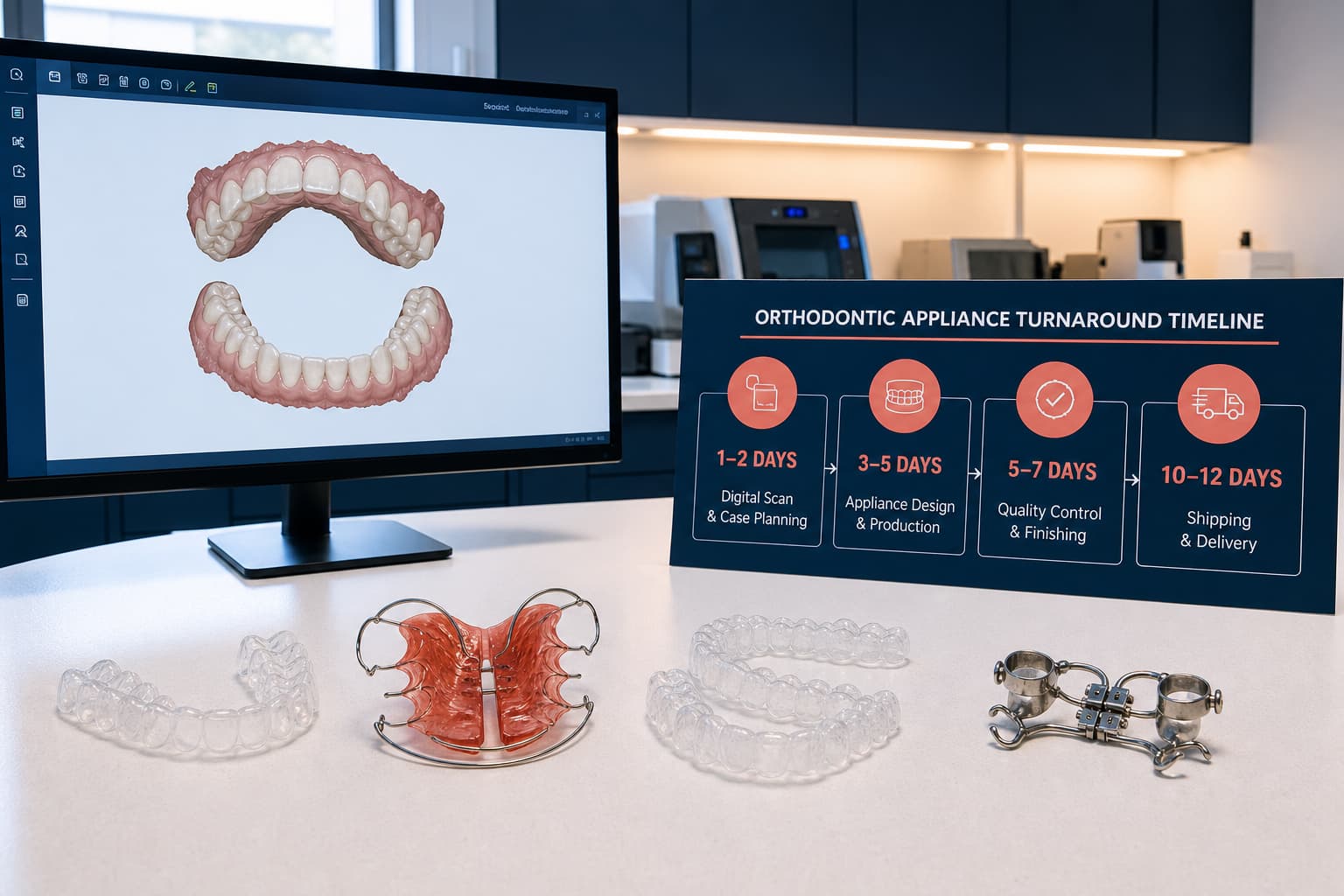
Direct 3D-printed retainers provide clinical parity with traditional thermoformed appliances while delivering superior digital reproducibility and operational efficiency. By adopting a fully digital production chain, you eliminate the dimensional inaccuracies of physical impressions and provide your patients with a more comfortable, precise-fitting device. This transition from traditional vacuum-forming to additive manufacturing represents a fundamental shift in orthodontic retention, replacing manual trimming and physical casts with micron-level control over appliance geometry.
The Digital Shift in Retainer Fabrication
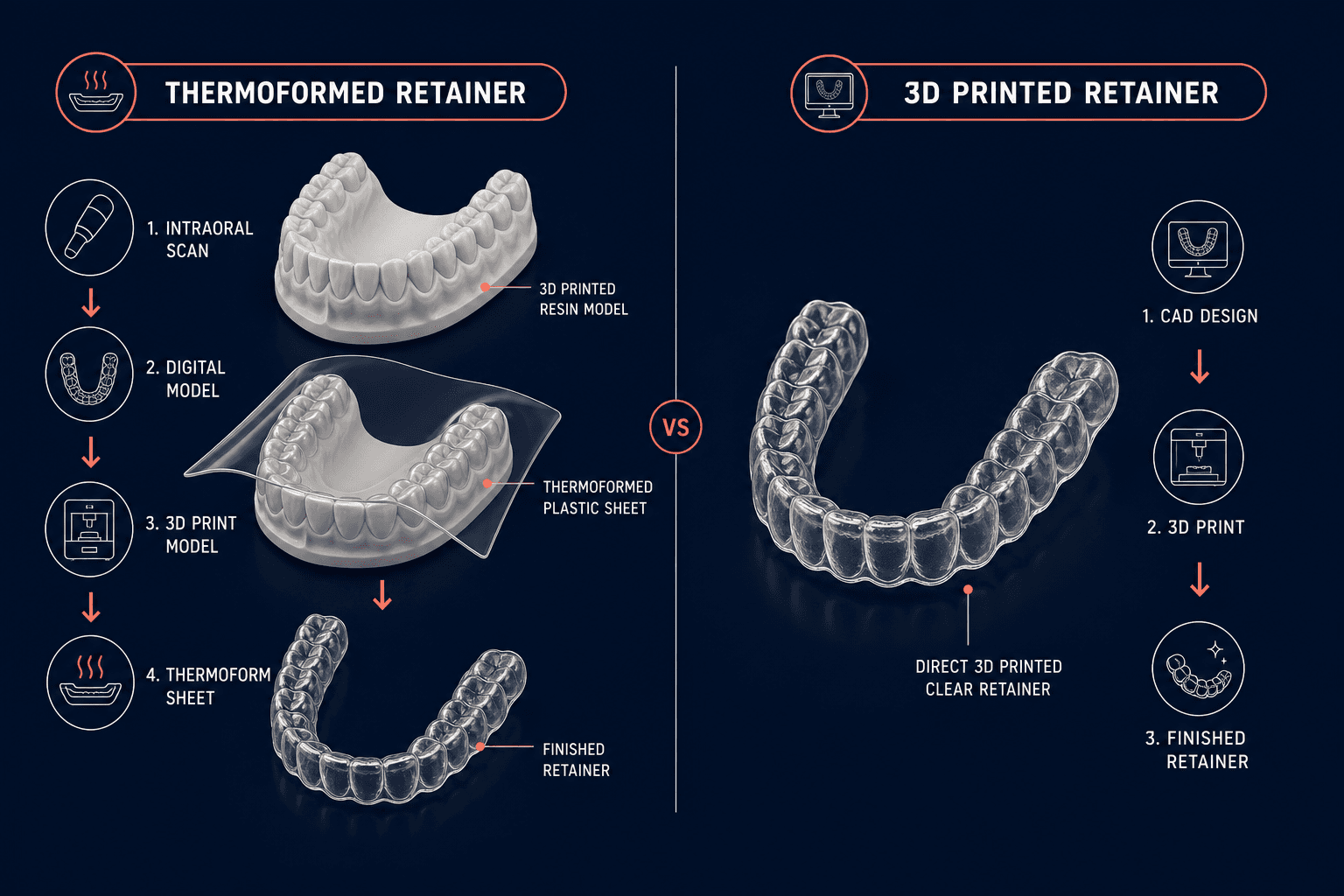
Modern orthodontic laboratories utilize two primary digital pathways for retainer fabrication. The first involves printing high-resolution resin models from an intraoral scan, over which a plastic sheet is thermoformed. While this method improves accuracy compared to plaster, the industry is witnessing a 3D printing revolution in orthodontics that is now moving toward direct-print appliances.
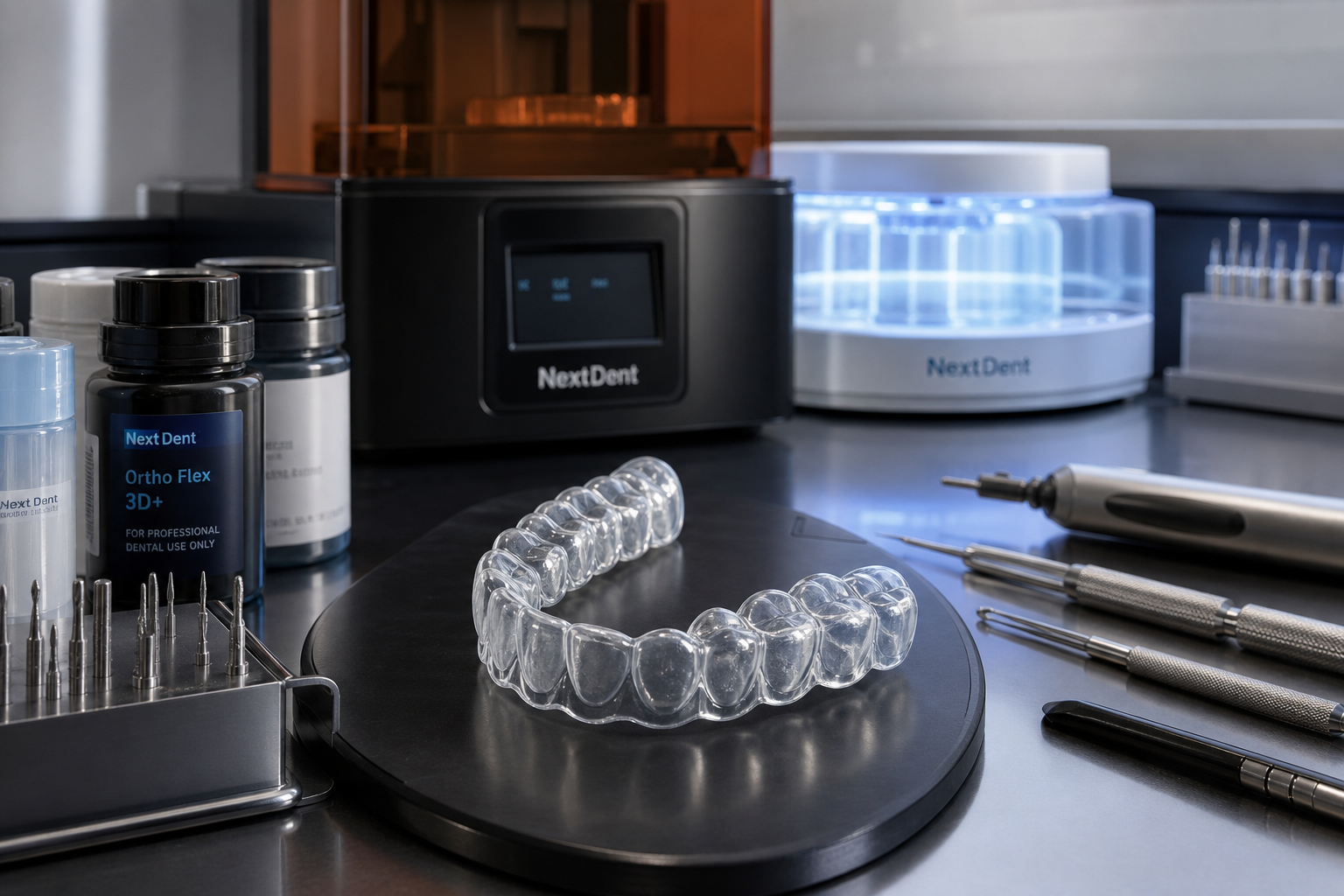
In a direct-print workflow, the retainer is designed entirely in CAD software and fabricated using specialized, biocompatible resins. This bypasses the need for physical models and thermoforming sheets, resulting in direct 3D-printed orthodontic appliances with uniform wall thickness and precise edge definition. This novel approach reduces material waste and ensures that every replacement retainer is an exact replica of the original digital file, maintaining consistency across the patient’s entire retention phase.
Clinical Efficacy and Long-Term Stability
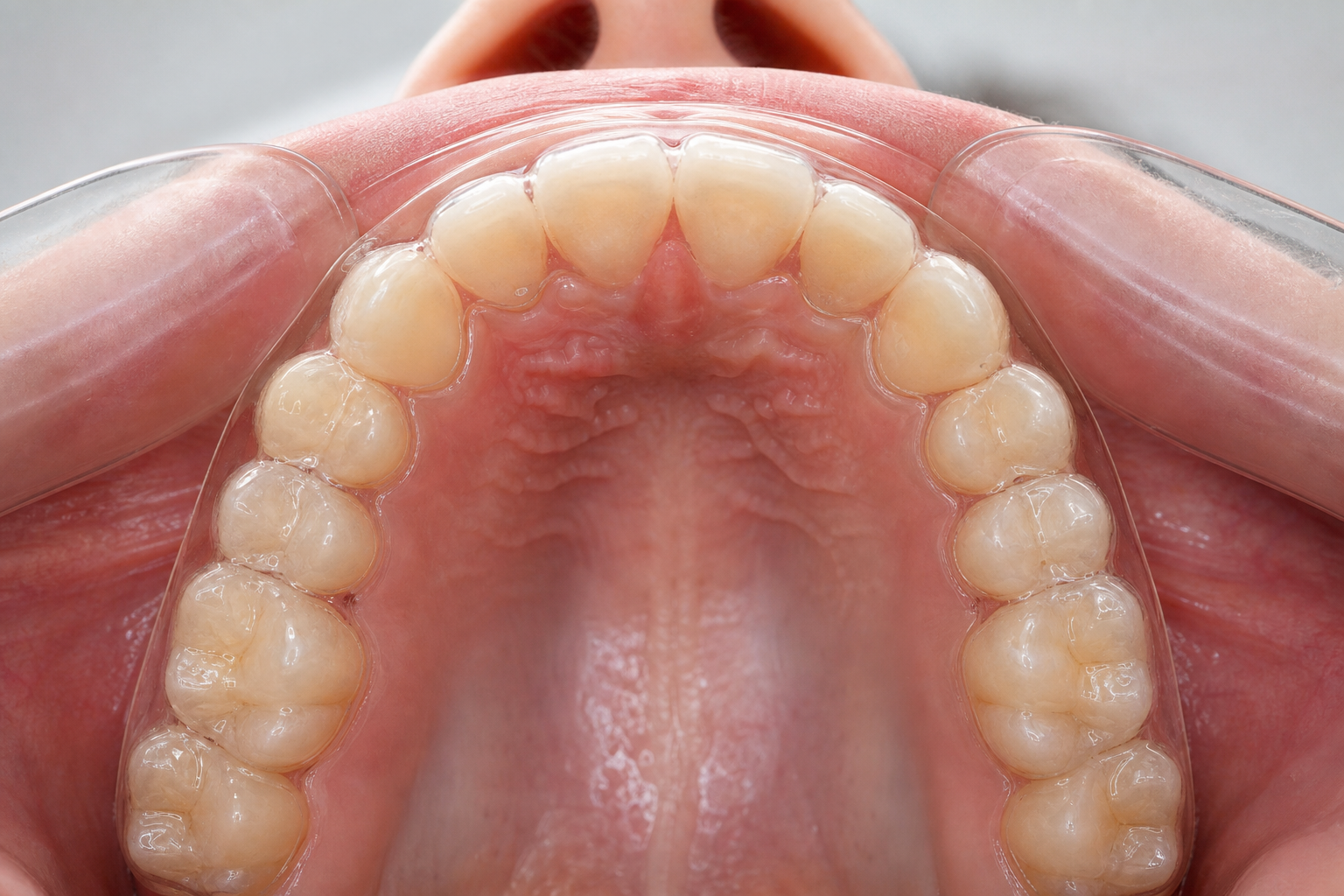
You may naturally question whether printed resins can match the long-term stability of traditional Essix or Hawley retainers. Recent randomized controlled trials indicate that there are no clinically significant differences in post-treatment stability between direct 3D-printed and thermoformed retainers over a six-month period. While some studies noted that thermoformed appliances might show a slight statistical advantage in overbite maintenance, the overall tooth alignment and patient satisfaction scores remain equivalent.
Research confirms that the 3D-printed fabrication method is a highly accurate and reliable alternative to conventional vacuum-formed protocols. Because the digital design accounts for the exact anatomy of the dentition, the resulting appliance provides a predictable fit that maintains the final clinical result with high fidelity.
Strategic Benefits for the Modern Clinic
Implementing a digital workflow from intraoral scan to appliance offers several distinct benefits for your practice:
- Exceptional Fit: Direct-printed resins provide high dimensional stability, reducing the chairside struggle of adjusting appliances that do not seat correctly.
- Rapid Replacement: Because the patient's data is stored digitally, a lost retainer can be reprinted and shipped without the patient needing to return for a new impression.
- Material Integrity: Selecting the right orthodontic 3D printing materials, such as Class IIa medical-grade resins, is essential for intraoral durability. High-grade resins like TC-85 are formulated without BPA precursors, addressing growing patient concerns regarding estrogenic effects.
- Customized Mechanics: Unlike thermoforming sheets, which have a fixed thickness, 3D printing allows you to vary the thickness of the retainer in specific areas to provide targeted reinforcement or localized flexibility.
Navigating the Evolution of Digital Resins
To steelman the transition to 3D printing, it is important to acknowledge that the technology is still evolving. Historically, thermoformed retainers have offered slightly better optical transparency than their printed counterparts. However, advanced post-processing and polishing techniques in the laboratory have largely bridged this gap, providing a level of aesthetics that satisfies even the most discerning patients.
Furthermore, while the evidence for 3D-printed retainers is emerging, the rapid advancement in resin chemistry – including "shape memory" effects that allow appliances to react to body temperature – suggests that printed devices may soon exceed the mechanical properties of traditional polymers. This shift ensures that your clinic remains at the forefront of biocompatible appliance technology.
Elevate Your Retention Protocols
The move toward 3D-printed retainers is a transition toward greater predictability and patient comfort. By leveraging industrial-grade additive manufacturing, you ensure that the final phase of orthodontic treatment is as precise as the active phase. This digital approach not only streamlines your internal processes but also enhances the patient experience through faster turnaround times and superior appliance fit.
At NordicDens, we combine orthodontic expertise with advanced digital manufacturing to support your clinic’s transition to high-precision appliances. If you are ready to streamline your retention protocols and provide your patients with the latest in biocompatible appliance technology, contact our lab to integrate our digital workflow into your practice.