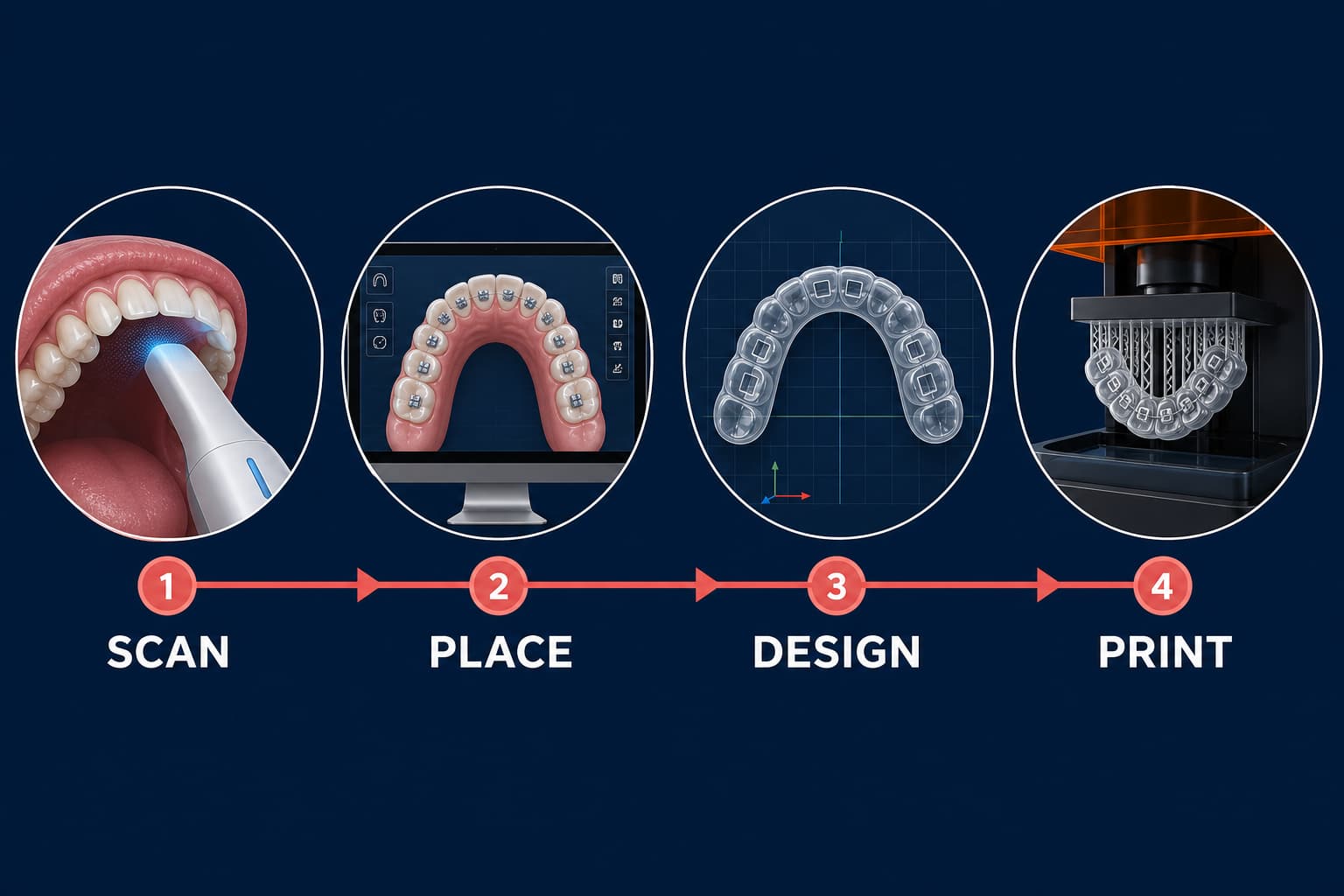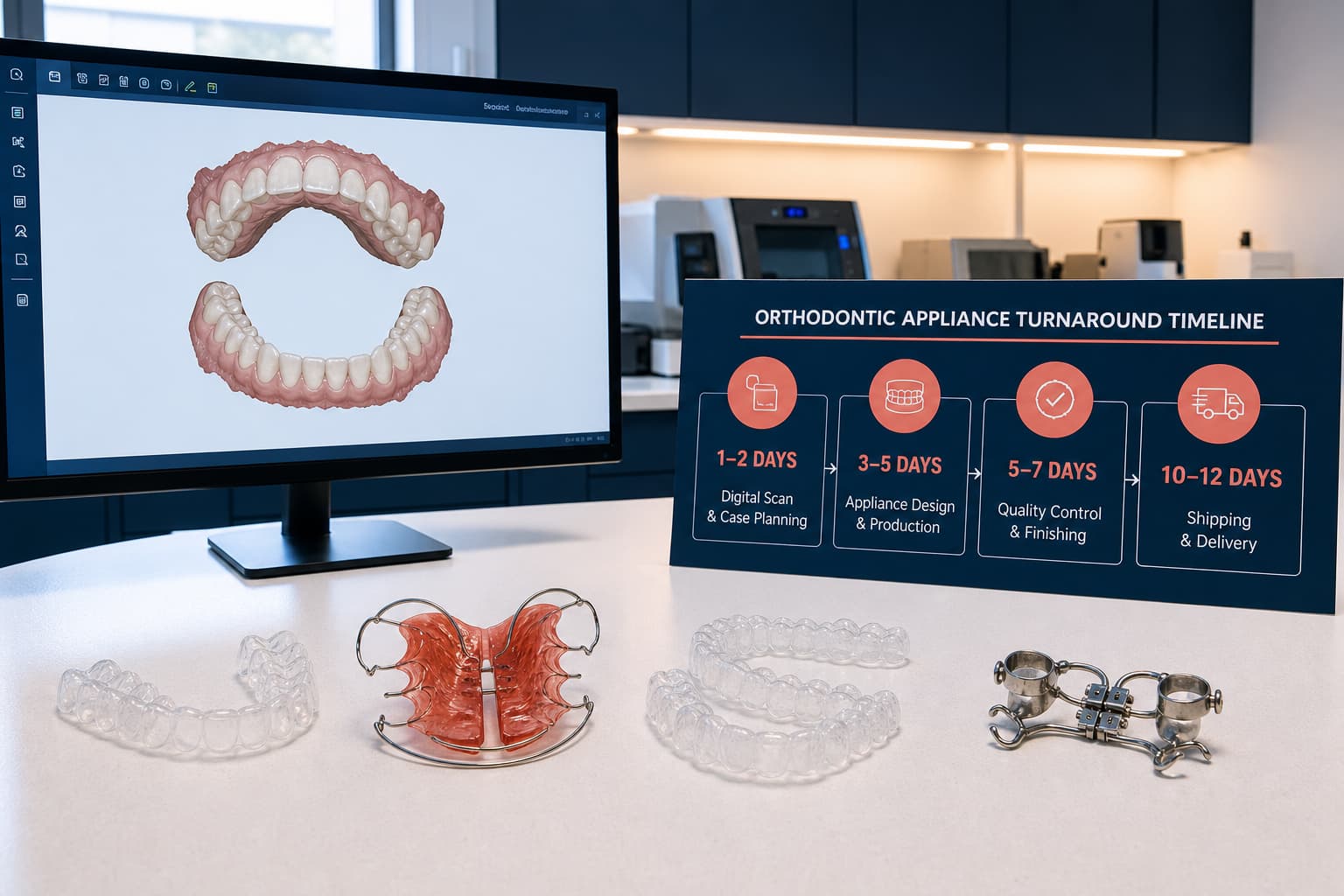
CAD/CAM technology transforms orthodontic production by replacing manual, impression-based labor with a high-fidelity digital thread. This shift integrates intraoral scanning, specialized design software, and additive manufacturing to create a workflow that is more predictable, faster, and more comfortable for patients than traditional analog methods. For modern clinics, transitioning to Computer-Aided Design and Computer-Aided Manufacturing is no longer a luxury; it is the prerequisite for maintaining clinical accuracy. By digitizing the patient’s dentition, you move from the inherent variability of plaster models to the precision of micron-level data.
Phase 1: Digital Data Acquisition
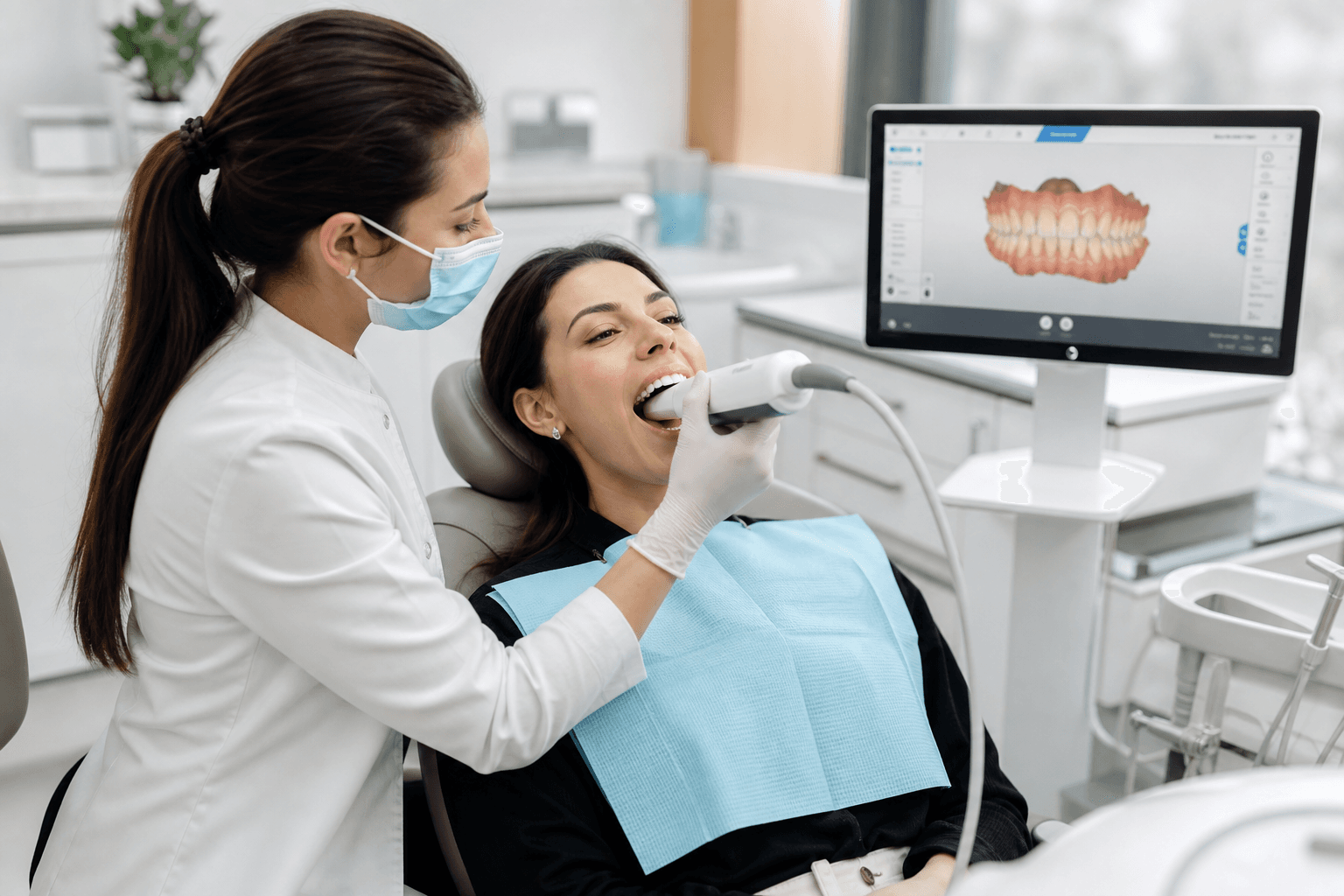
The digital workflow begins with the intraoral scanner. Instead of using alginate or PVS materials – which are prone to dimensional instability and patient discomfort – you capture a complete digital impression in minutes. This methodology eliminates the logistical burden of storing and shipping physical molds.
The output of this process is a high-resolution 3D dataset, typically in STL or PLY formats. These files capture tooth anatomy, gingival margins, and occlusal relationships with a level of detail that traditional impressions cannot consistently match. This shift toward digital acquisition is fundamental to replacing obsolete traditional impressions and establishing a reliable, data-driven baseline for all subsequent appliance design.
Phase 2: Virtual Design and Treatment Planning
Once you upload the digital file to a secure platform, the CAD phase begins. In this stage, technicians use specialized orthodontic software to design the appliance directly on the digital model. This virtual environment allows for precision planning where aligners, retainers, and indirect bonding trays are designed with uniform wall thickness and precise edge definition.
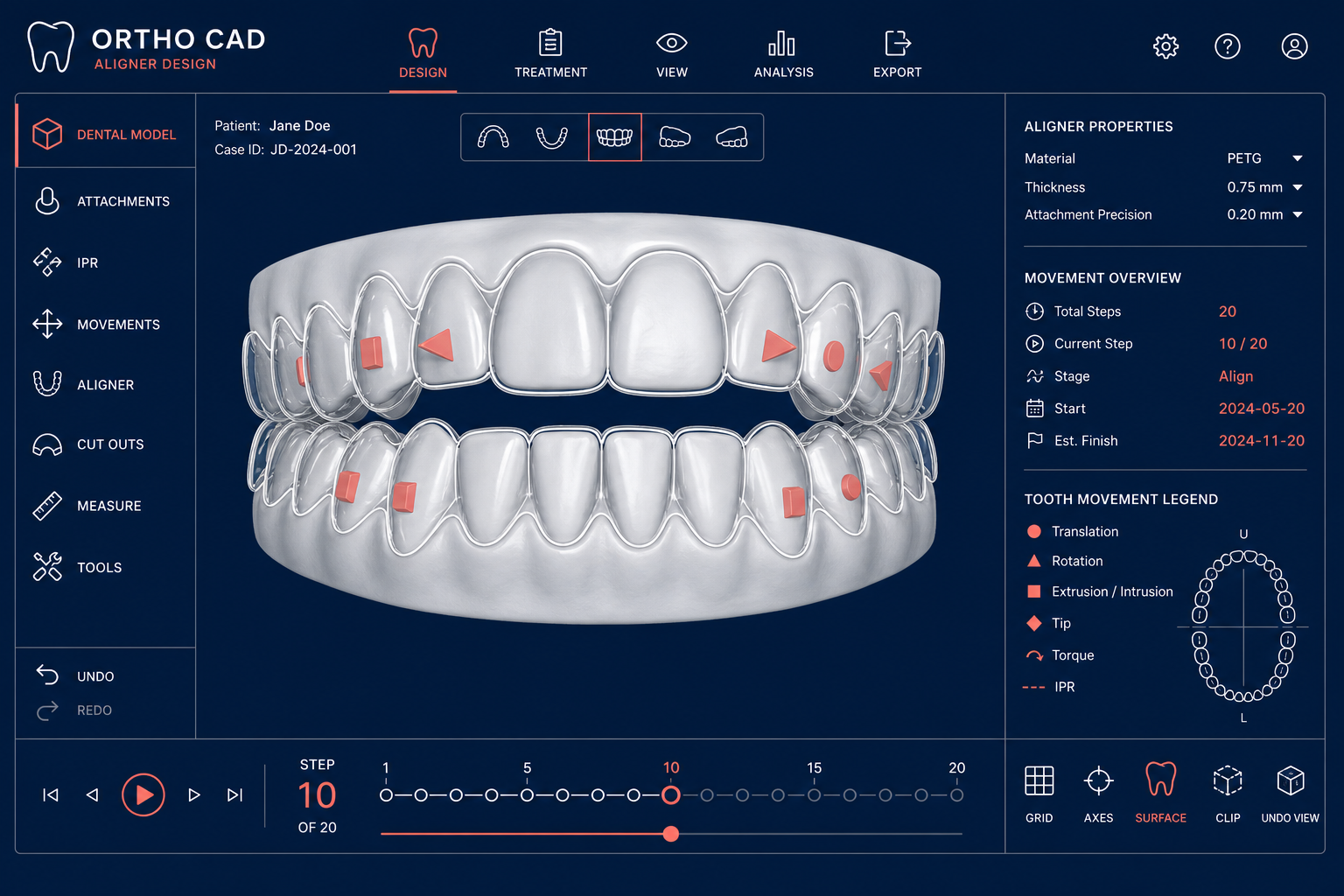
The benefits of a virtual setup extend beyond simple geometry:
- Predictable outcomes: You can review, adjust, and approve the digital design before any physical production begins, significantly reducing the risk of costly remakes.
- Enhanced communication: Digital tools enable seamless lab-clinic collaboration, allowing you to provide feedback on a case in real-time.
- Efficiency: Systematic reviews indicate that this digital workflow from scan to appliance improves treatment efficiency and clinical accuracy compared to manual laboratory setups.
Phase 3: CAM and Precision Manufacturing
The CAM stage is where the virtual design becomes a physical reality. In a modern orthodontic lab, this primarily involves additive manufacturing, or 3D printing. Labs have transitioned away from manual wax-ups toward industrial-grade 3D printers using SLA (Stereolithography) or DLP (Digital Light Processing) technologies. These systems offer the resolution and repeatability required for sophisticated orthodontic devices.
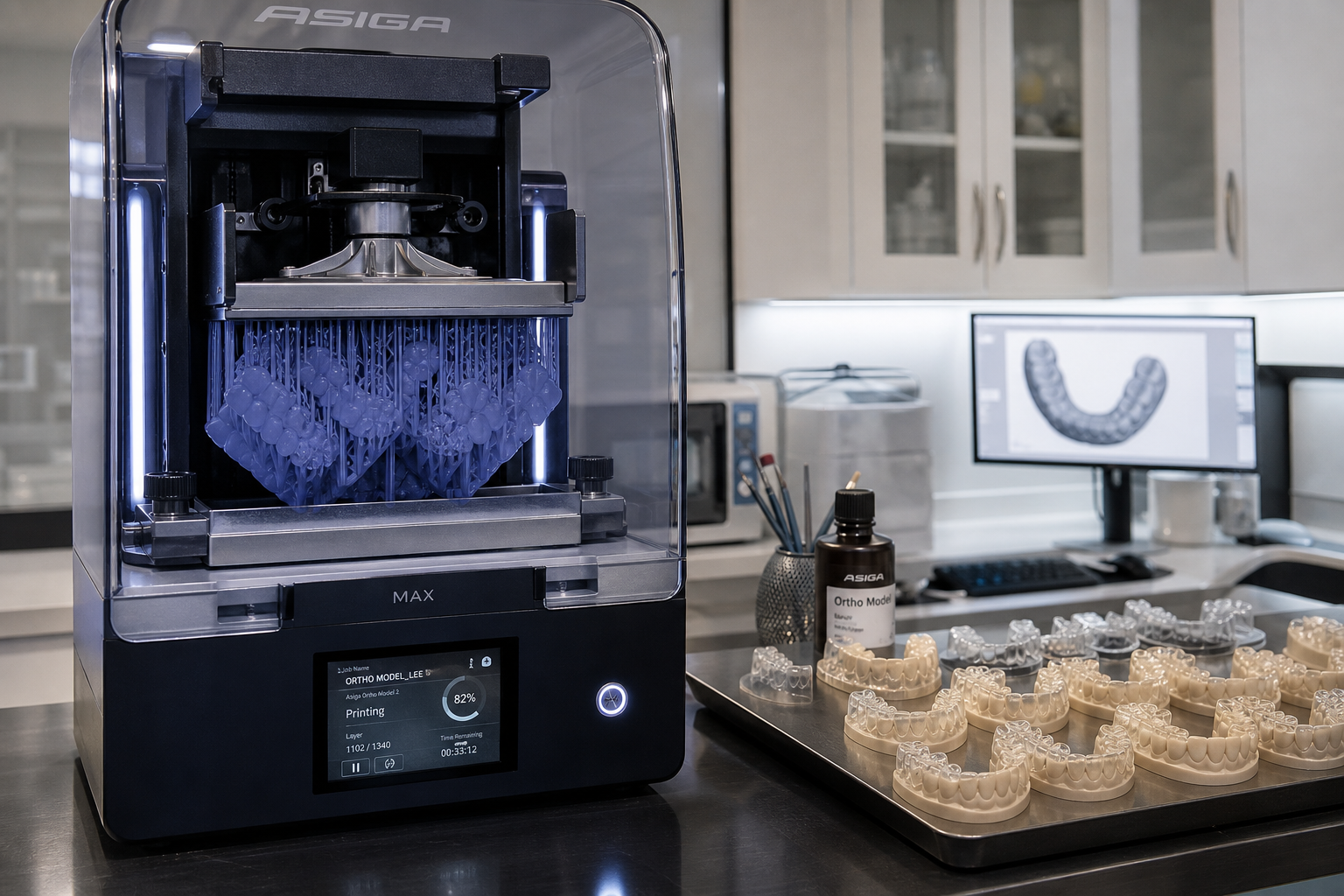
The manufacturing process typically follows two distinct paths:
- Indirect Production: Printing high-resolution resin models which are then used for thermoforming traditional appliances.
- Direct Production: Fabricating the appliance itself directly from biocompatible resins. Direct 3D-printed orthodontic appliances, such as aligners and retainers, eliminate the thermoforming step entirely, leading to a more accurate fit and reduced material waste.
Overcoming the Digital Friction
Adopting a CAD/CAM workflow requires an initial investment in hardware and a shift in clinical habits. The learning curve associated with intraoral scanning and file management can initially feel like a bottleneck in a busy practice. You might worry about the time spent training staff or the capital required for high-end scanners.
However, the long-term ROI is found in the substantial compression of lead times. What once took days of manual shipping and stone pouring is now reduced to a single production cycle. Furthermore, the 3D printing revolution in orthodontics provides a level of consistency where every printed appliance is an exact reproduction of the digital file, minimizing chairside adjustments and improving the overall patient experience.
The Role of Advanced Materials
The success of the CAD/CAM workflow relies heavily on the materials used during the CAM phase. Clinical success depends on matching specific resin properties – such as flexibility and dimensional stability – to the appliance's intended function.
Novel orthodontic 3D printing materials, including shape-memory resins, allow for appliances that react to body temperature to deliver constant, gentle forces. These Class IIa medical-grade resins ensure that the precision achieved in the CAD phase is maintained throughout the life of the appliance in the patient's mouth. Integrating CAD/CAM technology into your clinic streamlines the path from the initial consultation to the final fit, ensuring every appliance is backed by data-driven design.
Explore how our digital lab services can support your clinic’s transition to high-precision, 3D-printed appliances.