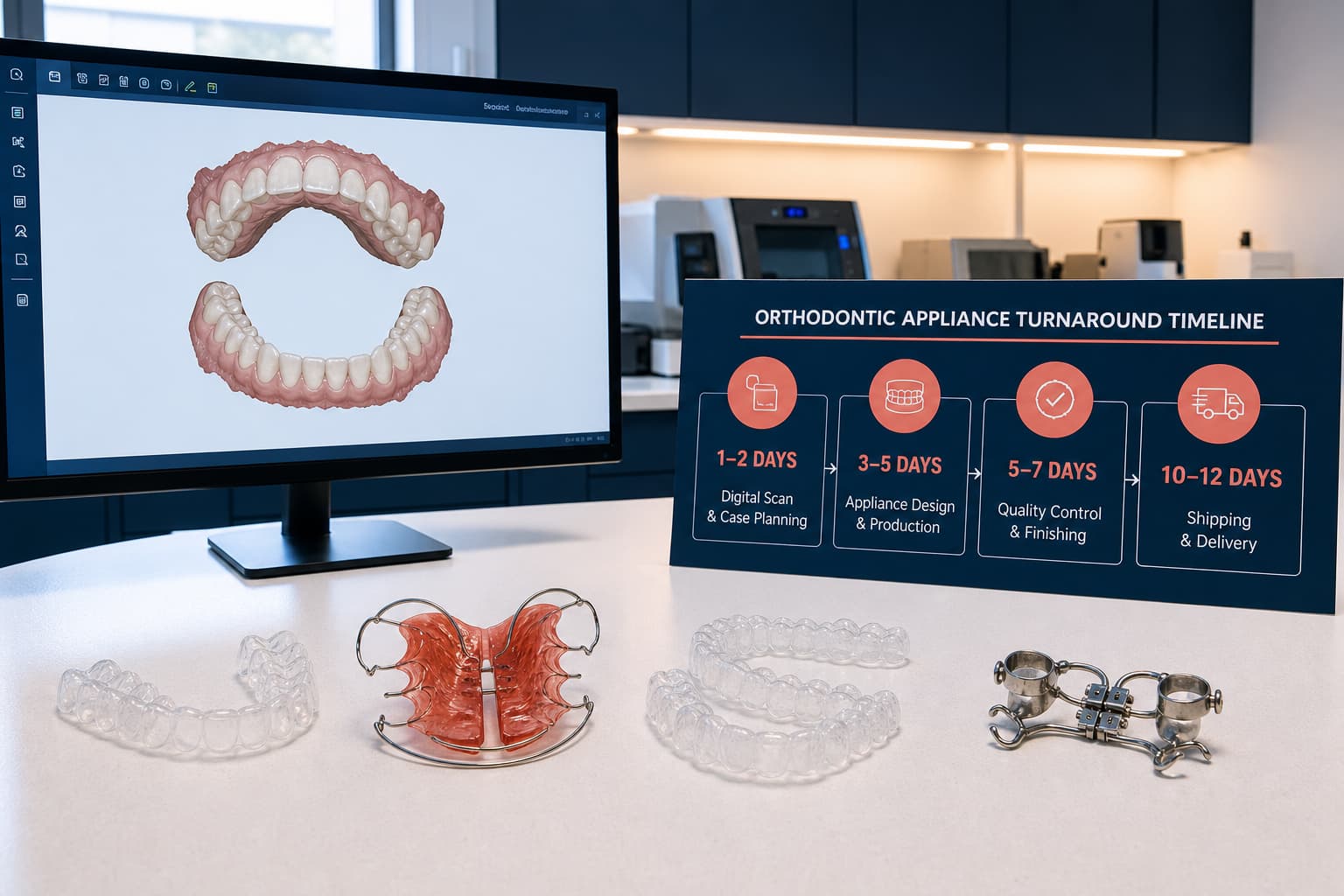
Submitting intraoral scans eliminates three to five days of physical shipping and plaster model casting. Standard in-lab turnaround for digital submissions ranges from 1 to 2 business days for clear retainers, 3 to 5 business days for Hawley retainers and indirect bonding trays, 5 to 7 business days for multi-stage aligners and functional appliances, and 10 to 12 business days for complex fixed expanders.
Granted, transitioning to a digital workflow does not magically erase all turnaround bottlenecks. Total elapsed time still hinges on dataset integrity, scanner calibration, and how quickly your clinical team reviews and approves virtual treatment proposals. Understanding how in-lab clock tracking operates enables your practice to schedule patient recall appointments with absolute confidence.
Expected Turnaround Times by Appliance Category
Processing speed depends on device complexity, material selection, and whether the design requires clinician review before production begins:
- Clear Retainers & Essix (1–2 Business Days): Direct 3D model printing followed by automated thermoforming or direct resin printing allows rapid bench throughput.
- Hawley & Removable Retainers (3–5 Business Days): 3D-printed working models require precision wire bending and acrylic curing before final polishing.
- Indirect Bonding Trays (3–5 Business Days): Virtual bracket placement approval triggers 3D printing of flexible transfer trays for rapid clinical placement.
- Clear Aligners (5–7 Business Days): Staging design proposals require clinician approval prior to physical production of the complete multi-stage aligner series.
- Functional Appliances (5–7 Business Days): CAD modeling of interlocking bite planes ensures precise resin and acrylic processing for devices like Twin Blocks.
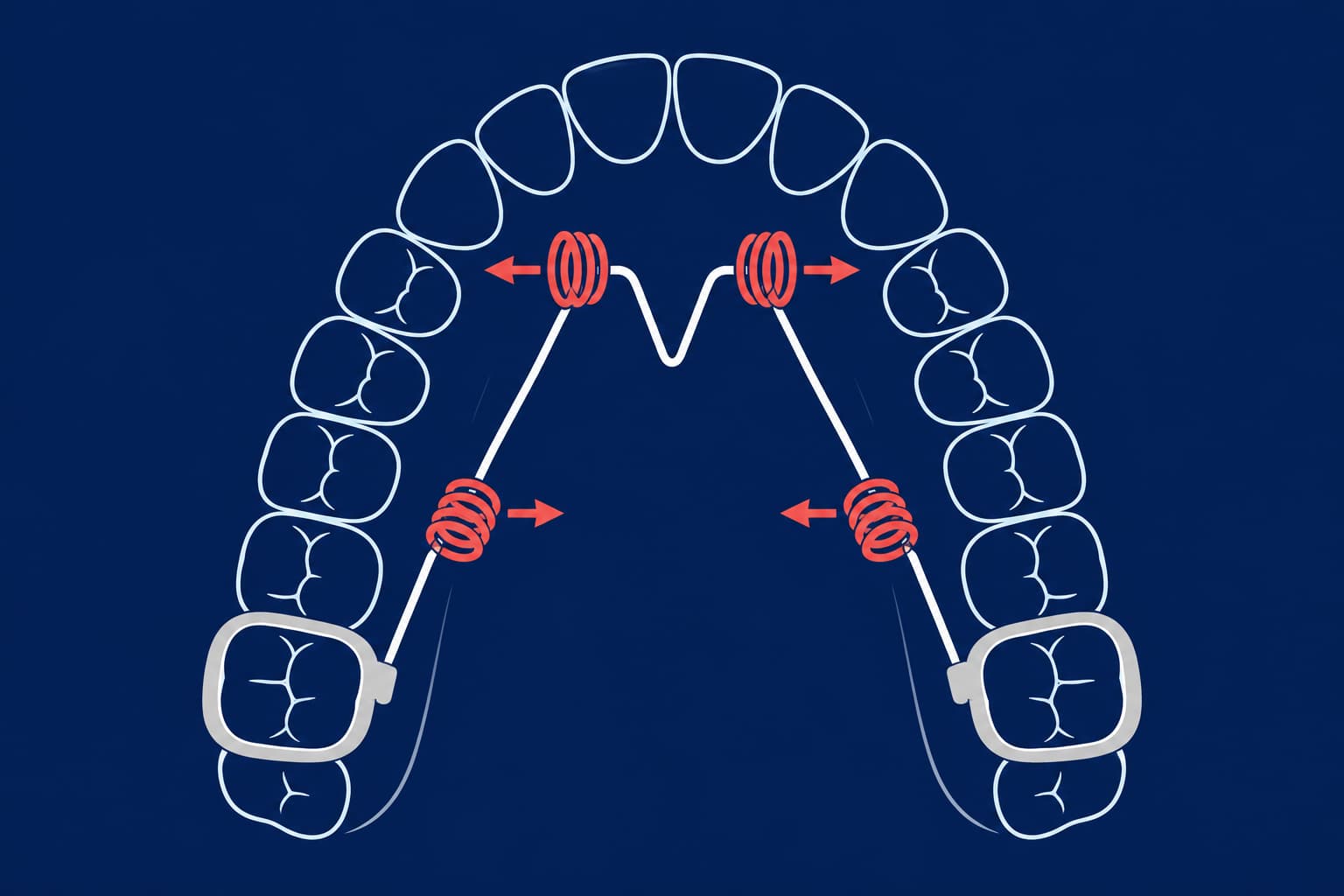
- Fixed Appliances & Expanders (10–12 Business Days): Digital band sizing, direct metal printing, laser welding, and custom fitting demand thorough lab bench time.
How the In-Lab Turnaround Clock Operates
Understanding how laboratories measure lead times prevents scheduling conflicts and missed patient appointments.
File Intake and Data Audit
The production clock does not begin the moment you export a file from your scanner or hit send. Production officially starts when the laboratory logs and validates your submission inside the doctor portal. Technicians immediately audit the mesh to ensure anatomical completeness. Validating that your exported STL files in orthodontics contain watertight surfaces, distinct gingival margins, and uncorrupted bilateral bite registrations prevents administrative holds during intake.
Digital CAD Design and Doctor Review
For cases requiring custom staging, technicians import raw scan data into specialized orthodontic CAD software. The software generates precise virtual models and staging proposals uploaded directly to your portal account.
- Standard Appliances: Devices like clear retainers skip manual staging approval and proceed directly to production after initial file validation.
- Custom Setups: Complex cases – including aligners, orthognathic splints, and indirect bonding trays – pause the turnaround clock until you review and formally approve the digital setup.
Additive Manufacturing and Quality Control
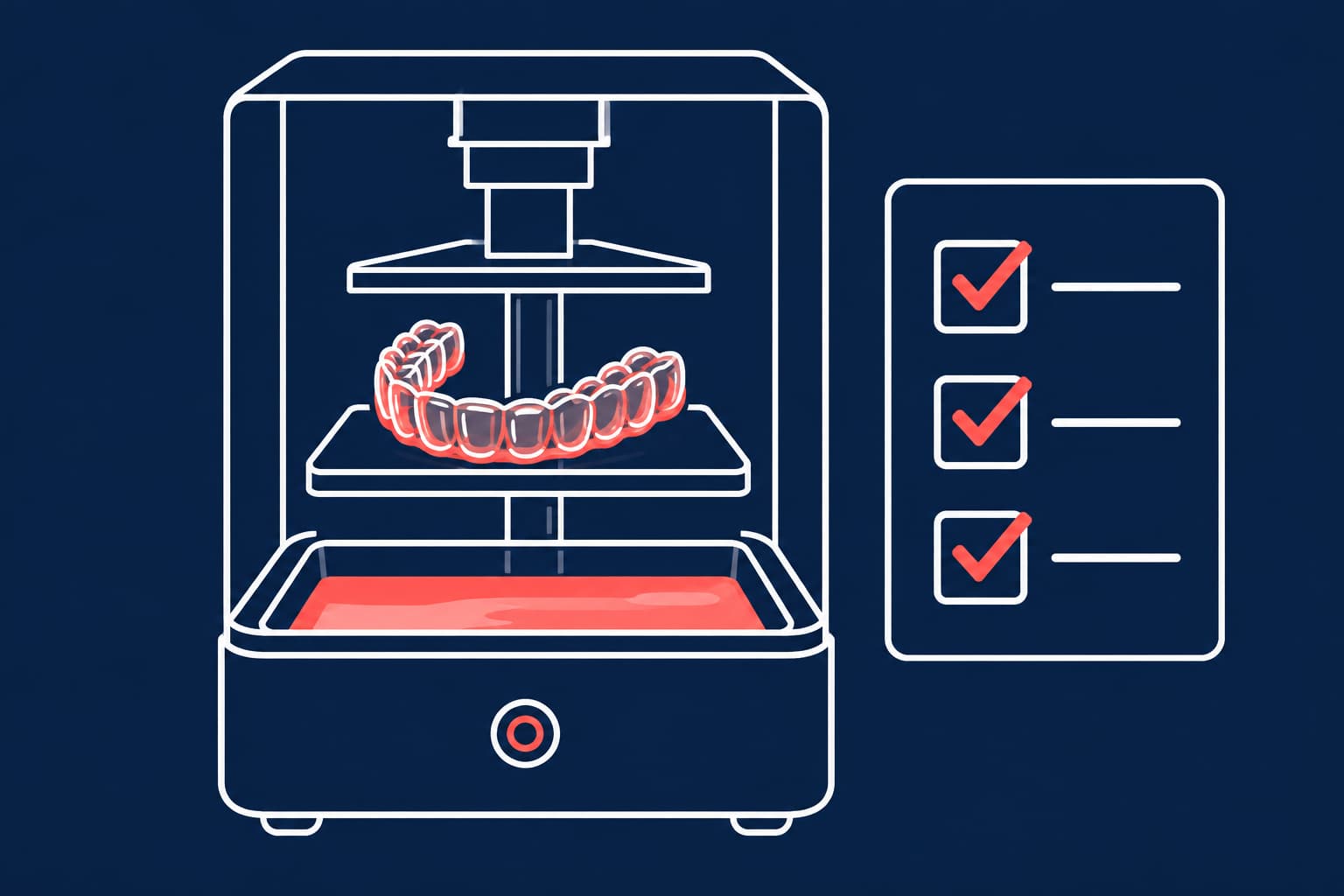
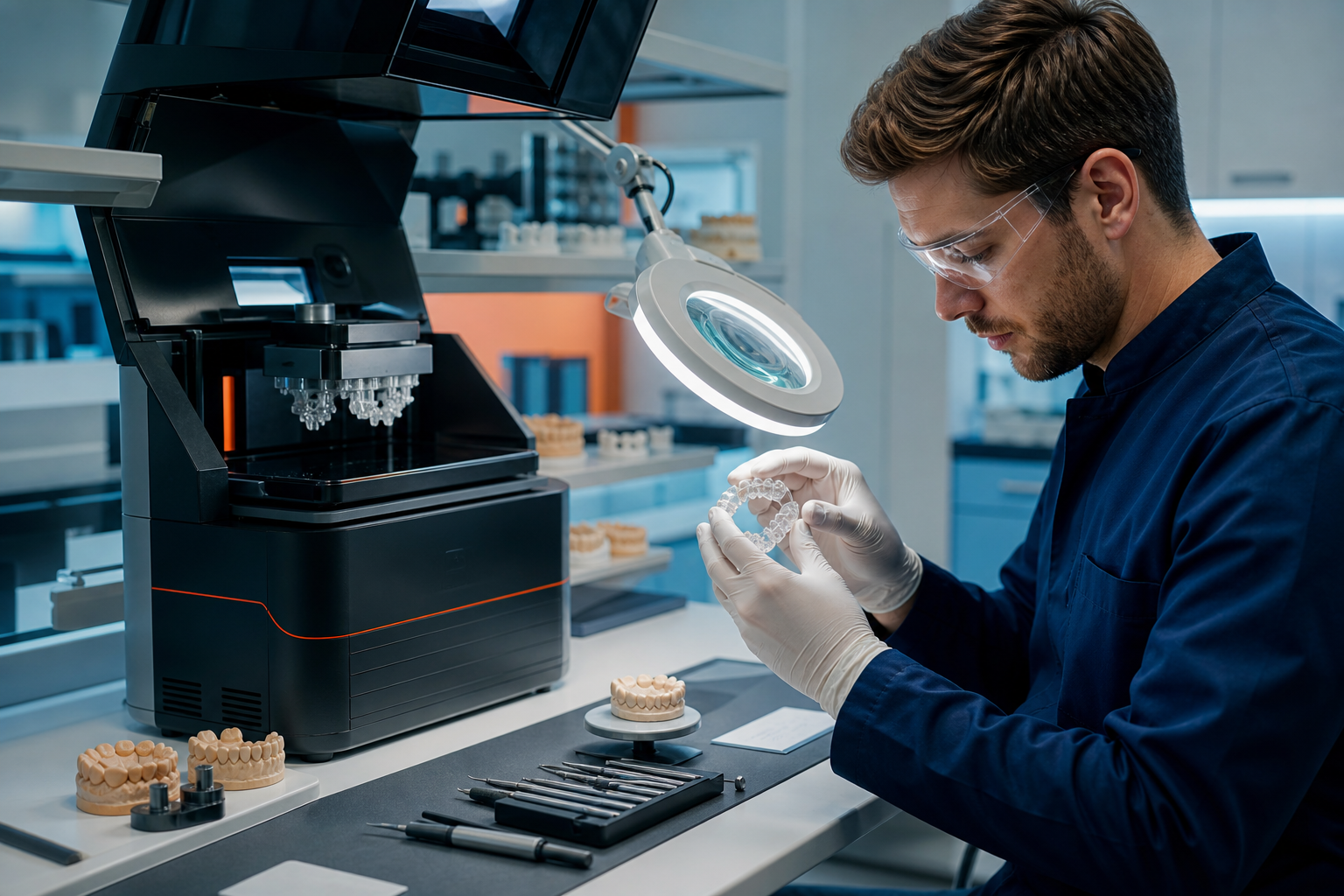
Once you approve the digital design, the case enters the manufacturing queue. The laboratory prints high-resolution working models or utilizes direct 3D printing to create the appliance straight from resin chemistry. Following manufacturing, technicians perform trimming, polishing, strict quality control inspection, and express packaging.
Why Digital Submissions Expedite Case Delivery
Transitioning from physical impressions to a fully digital pipeline eliminates structural delays that historically bottlenecked laboratory manufacturing:
- Zero Transit Delay for Intake: Uploading files through a secure portal bypasses the 1 to 3 days required for physical impression transport.
- Elimination of Gypsum Model Pouring: Bypassing plaster pouring and setting saves up to 24 hours of prep work, sending sliced files directly to 3D printers.
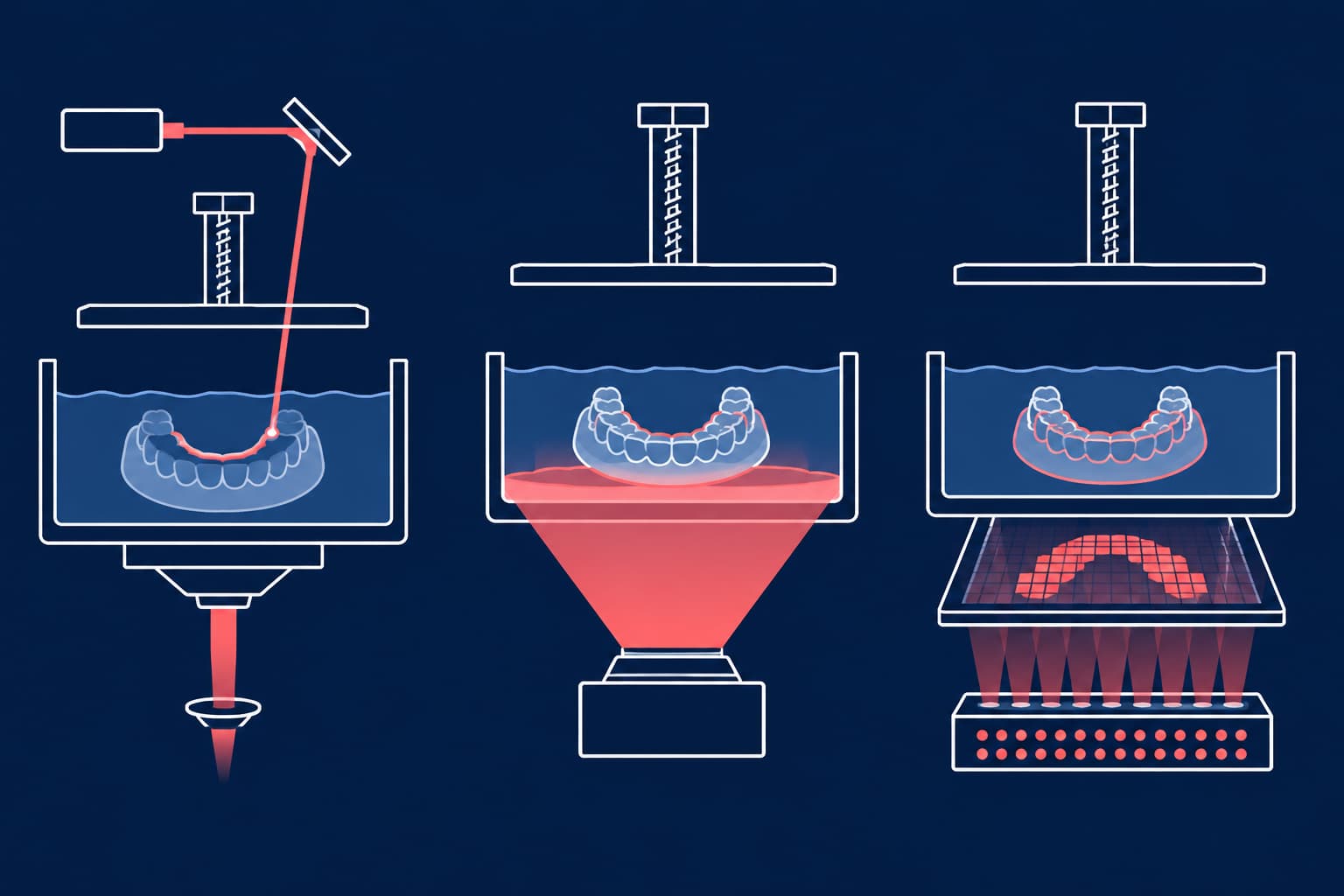
- Direct 3D-Printed Appliances: Modern additive manufacturing removes thermoforming steps altogether. Advances in the clear aligner fabrication process allow direct-print appliances to move directly from CAD software to light-curing, saving resin materials and reducing manual bench work.
- Enhanced Precision in Complex Fabrications: Posturing the mandible digitally for custom devices like Twin Block appliance production yields vertical fitting deviations between 0.12 and 0.18 mm, eliminating the labor-intensive remakes common with cold-cure acrylics.
- Regulatory Traceability: Automated digital workflows streamline the technical documentation required for orthodontic lab regulatory compliance, maintaining strict medical device compliance under EU MDR without extending turnaround times.
Clinical Factors That Cause Production Delays
Even state-of-the-art digital infrastructure experiences holds when incoming clinical data is incomplete. You can prevent operational delays by auditing four critical factors before submission:
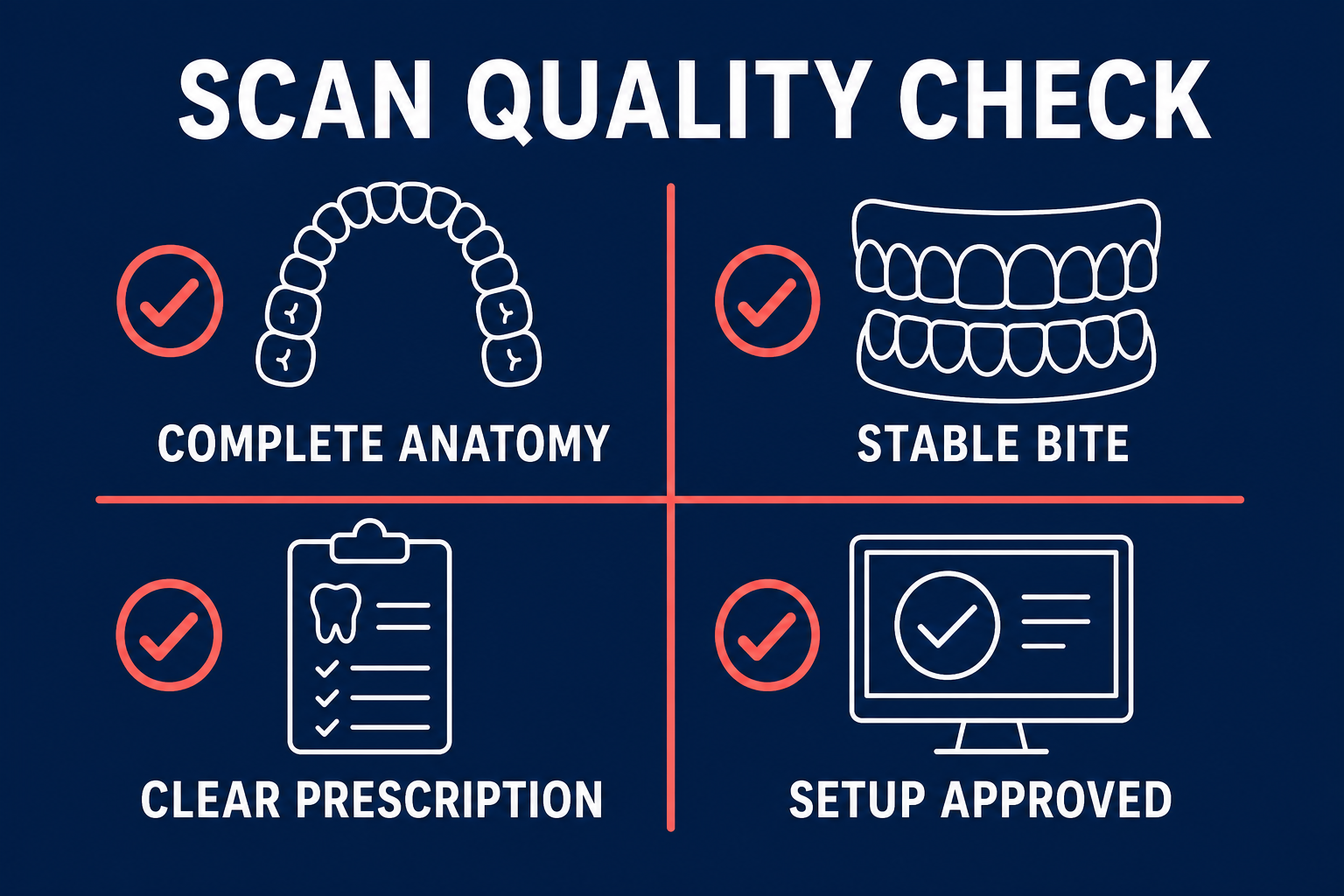
- Incomplete Anatomical Scans: Missing terminal molars, palate detail, or mucogingival boundaries forces technicians to halt production and request a rescan.
- Unstable Bite Registrations: Motion artifacts during bilateral buccal bite acquisition create floating teeth or occlusal interference, preventing accurate arch articulation.
- Vague Prescription Directives: Unclear instructions regarding clasping, expansion screw orientation, or aligner attachment placement require manual clarification threads that pause processing.
- Unreviewed Setup Proposals: Leaving digital setups or aligner staging unapproved in your portal account leaves the case sitting in the design queue rather than moving to fabrication.
Streamlining Practice Operations
Integrating intraoral scanning with an automated digital laboratory transforms appliance turnaround from weeks into days. Conducting a systematic pre-submission audit of your 3D mesh and maintaining active communication on CAD design proposals ensures your clinic consistently secures 1-to-2-day delivery for retainers and sub-week turnaround for custom appliances.
To optimize your practice lead times and view exact production schedules for your specific case mix, submit your next intraoral scan directly through the Nordicdens doctor portal or contact our technical team for custom workflow integration support.