Orthodontic appliances are classified as medical devices, which means your clinic’s legal standing and patient safety depend entirely on navigating a complex web of MDR and FDA regulations. Whether you manufacture in-house or partner with a specialized laboratory, you are participating in a regulated supply chain that requires rigorous quality management, technical documentation, and post-market surveillance. Compliance is not merely a bureaucratic hurdle; it is the fundamental framework that ensures the physical and legal integrity of every device you prescribe.
The Classification of Orthodontic Devices
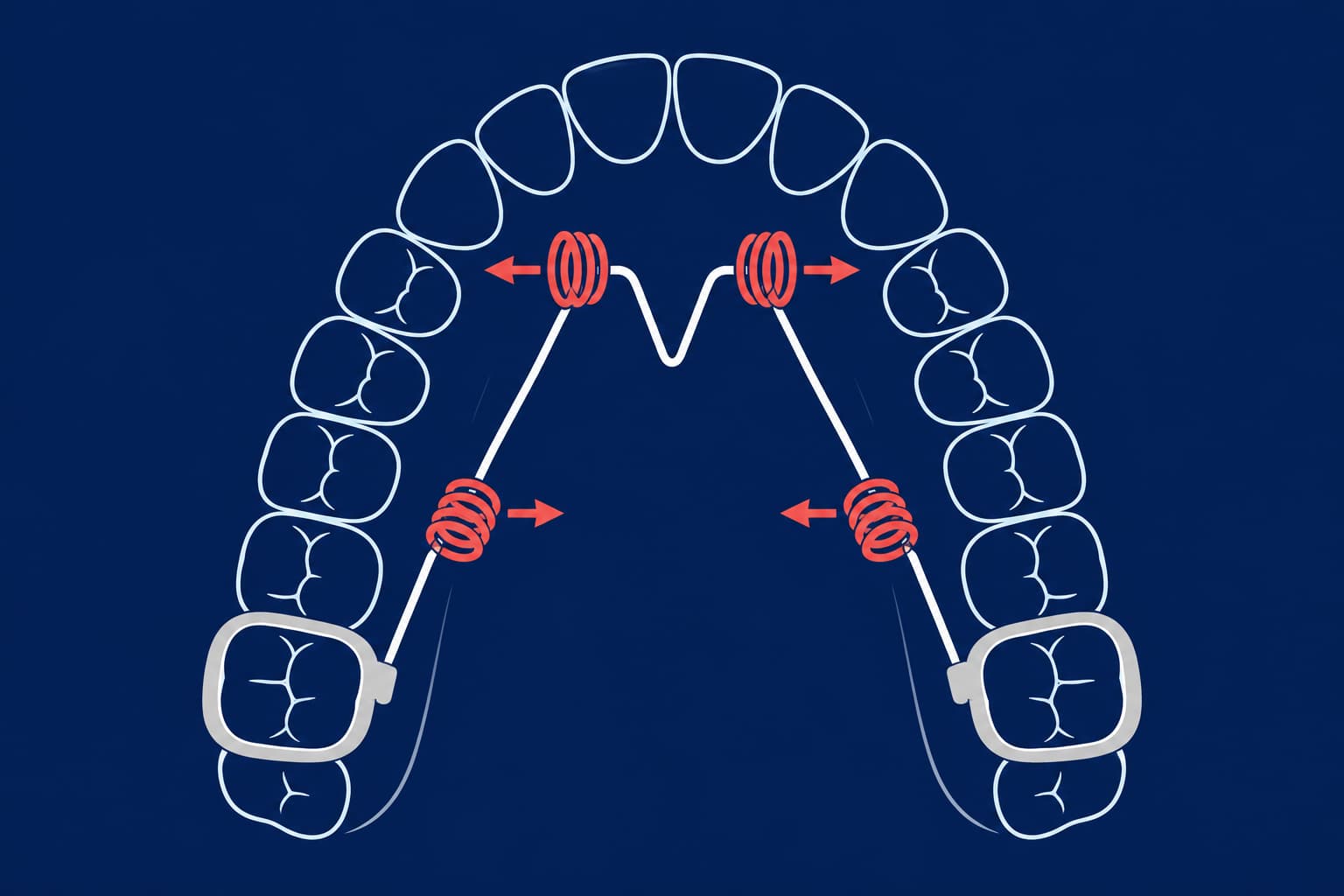
In both the European Union and the United States, orthodontic appliances – ranging from clear aligners to complex functional devices like Twin-Blocks – are strictly regulated. Under the EU Medical Device Regulation (MDR 2017/745), most orthodontic devices fall into Class I or Class IIa categories, depending on their risk profile and duration of use.
While many practitioners assume that "custom-made" status implies a lack of oversight, the reality is the opposite. Although custom-made devices are exempt from certain requirements like CE marking and Unique Device Identification (UDI) carriers, they must still fulfill the General Safety and Performance Requirements (GSPR) outlined in Annex I of the MDR. This involves maintaining a robust risk management system and ensuring that every material used – from precision thermoforming foils to biocompatible 3D-printing resins – meets stringent toxicity and irritation standards.
Essential MDR Obligations for Custom-Made Appliances
Navigating the transition from the old Medical Device Directive (MDD) to the current MDR requires a novel approach to clinical documentation. For every patient-specific appliance, manufacturers must meet several core obligations:
- Appoint a PRRC: You must designate a Person Responsible for Regulatory Compliance who possesses the requisite expertise to ensure the manufactured devices meet all legal standards.
- Issue an Annex XIII Statement: Every appliance must be accompanied by a written statement identifying the patient, the specific design characteristics prescribed by the clinician, and a declaration that the device complies with GSPR safety requirements.
- Maintain Technical Documentation: You are required to archive documentation describing the design, manufacturing process, and intended performance of the device for a minimum of 10 years.
- Implement Post-Market Surveillance (PMS): Compliance does not conclude at delivery. You must maintain a system to identify and evaluate adverse events or malfunctions, ensuring any "near-miss" is recorded and reported to competent authorities when necessary.
The Architecture of Quality Assurance
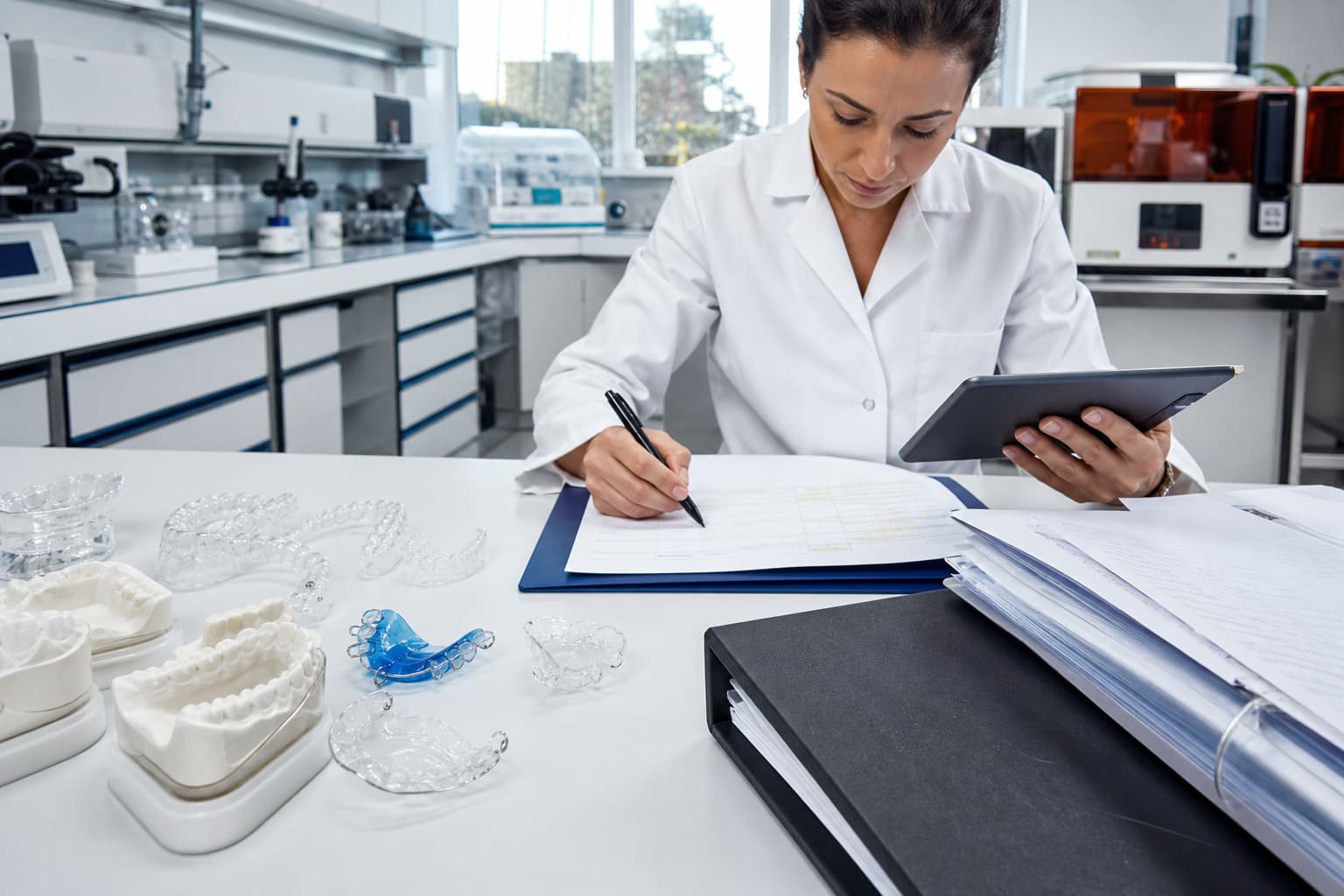
A compliant orthodontic lab quality control system is built on the framework of ISO 13485:2016. This international standard focuses on risk management and process validation, ensuring that every step – from the receipt of a digital file to final polishing – is repeatable and safe.
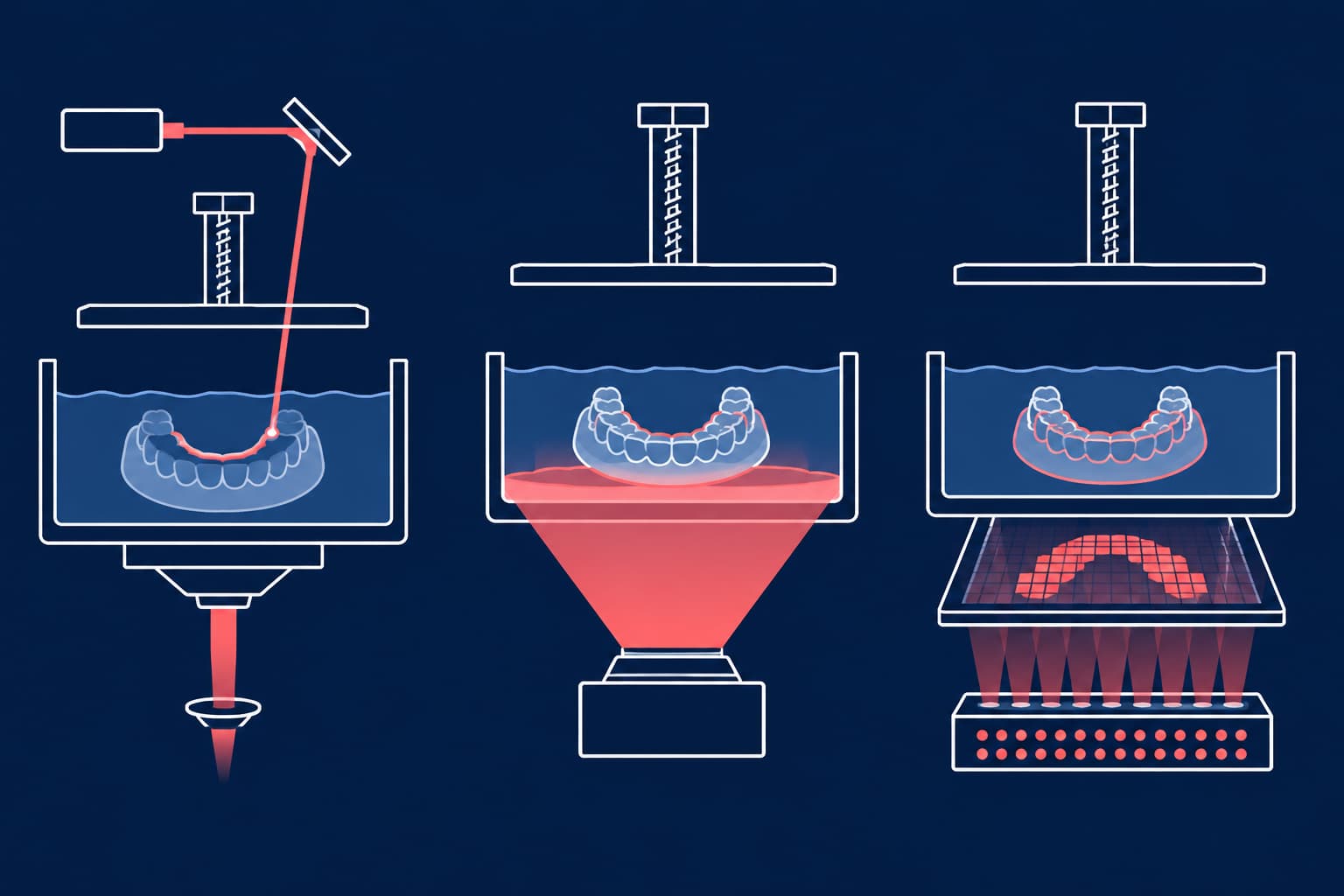
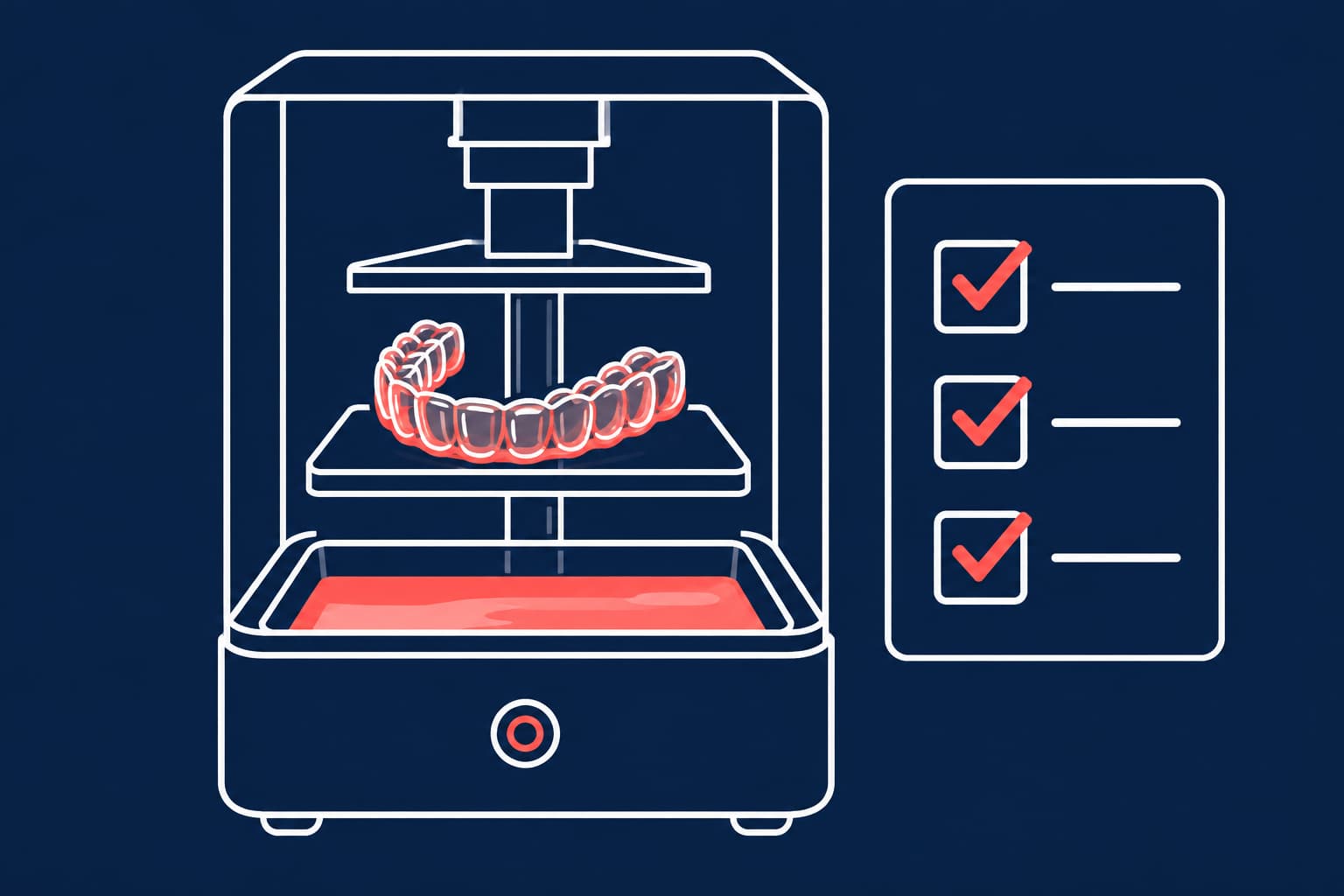
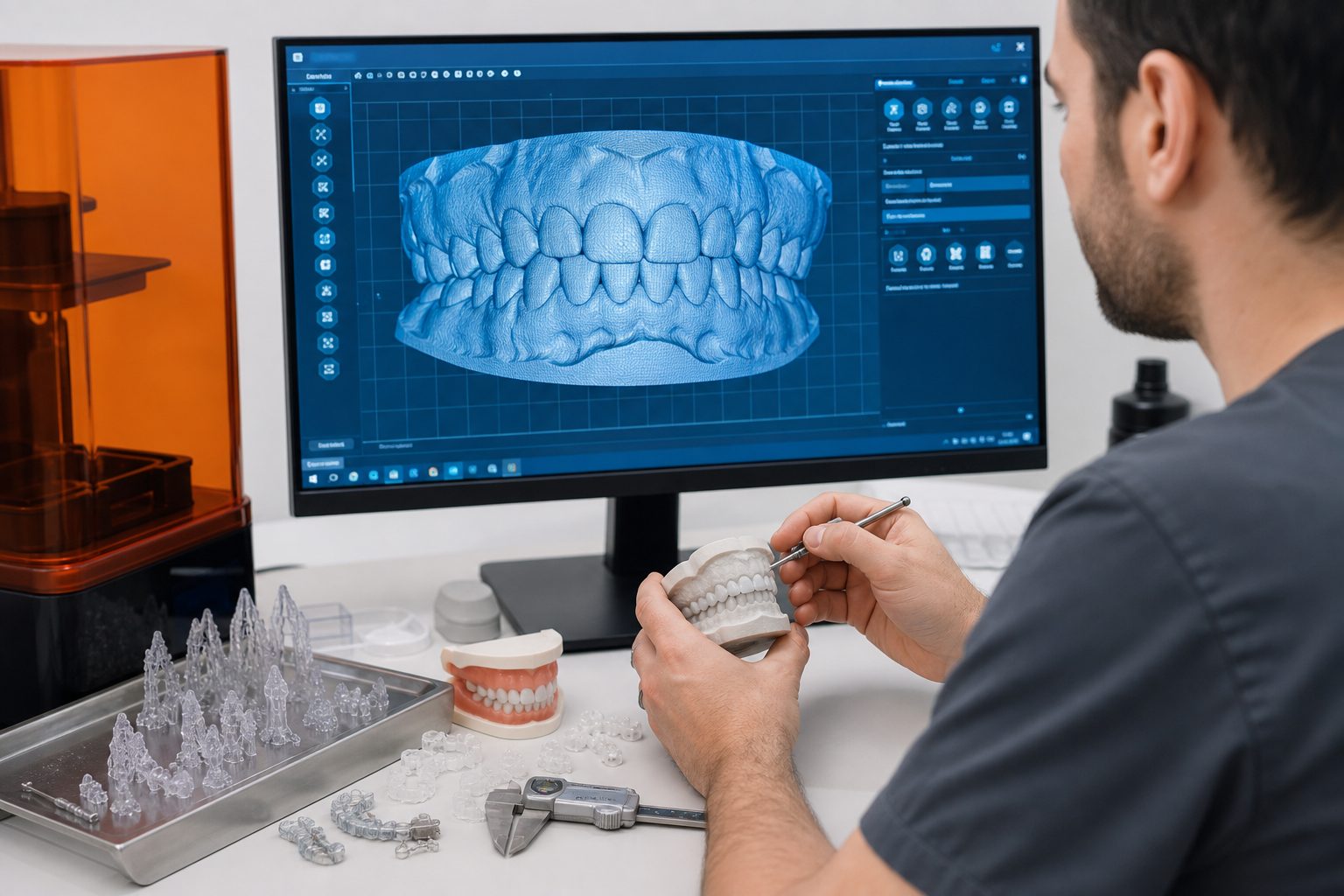
In a digital workflow, quality assurance begins with data integrity. Technicians must perform a comprehensive mesh analysis on incoming STL files to ensure critical landmarks, such as terminal molars and gingival zeniths, are accurately captured before production starts. For 3D-printed components, orthodontic 3D printer accuracy must be validated regularly. Even a minor dimensional deviation can lead to clinical failure, patient discomfort, or unpredictable tooth movement.
Addressing the Compliance Burden
It is easy to argue that these regulatory hurdles stifle innovation or increase the overhead of modern care. However, the rigor of the MDR actually serves to protect your practice and your patients. By enforcing strict material traceability and manufacturing standards, the regulation minimizes the risk of appliance breakage, toxicity from unvetted resins, or litigation resulting from predictable device failures. A compliant digital workflow ensures that the custom nature of your work is backed by industrial-grade safety protocols rather than trial-and-error manufacturing.
Outsourcing as a Regulatory De-risking Strategy
For many clinics, the overhead of maintaining a PRRC and a certified Quality Management System (QMS) is prohibitive. This is where orthodontic lab outsourcing becomes a strategic advantage rather than just a cost-saving measure. By partnering with a specialized facility, you transfer the technical burden of regulatory maintenance, resin chemistry validation, and manufacturing documentation to an expert partner.
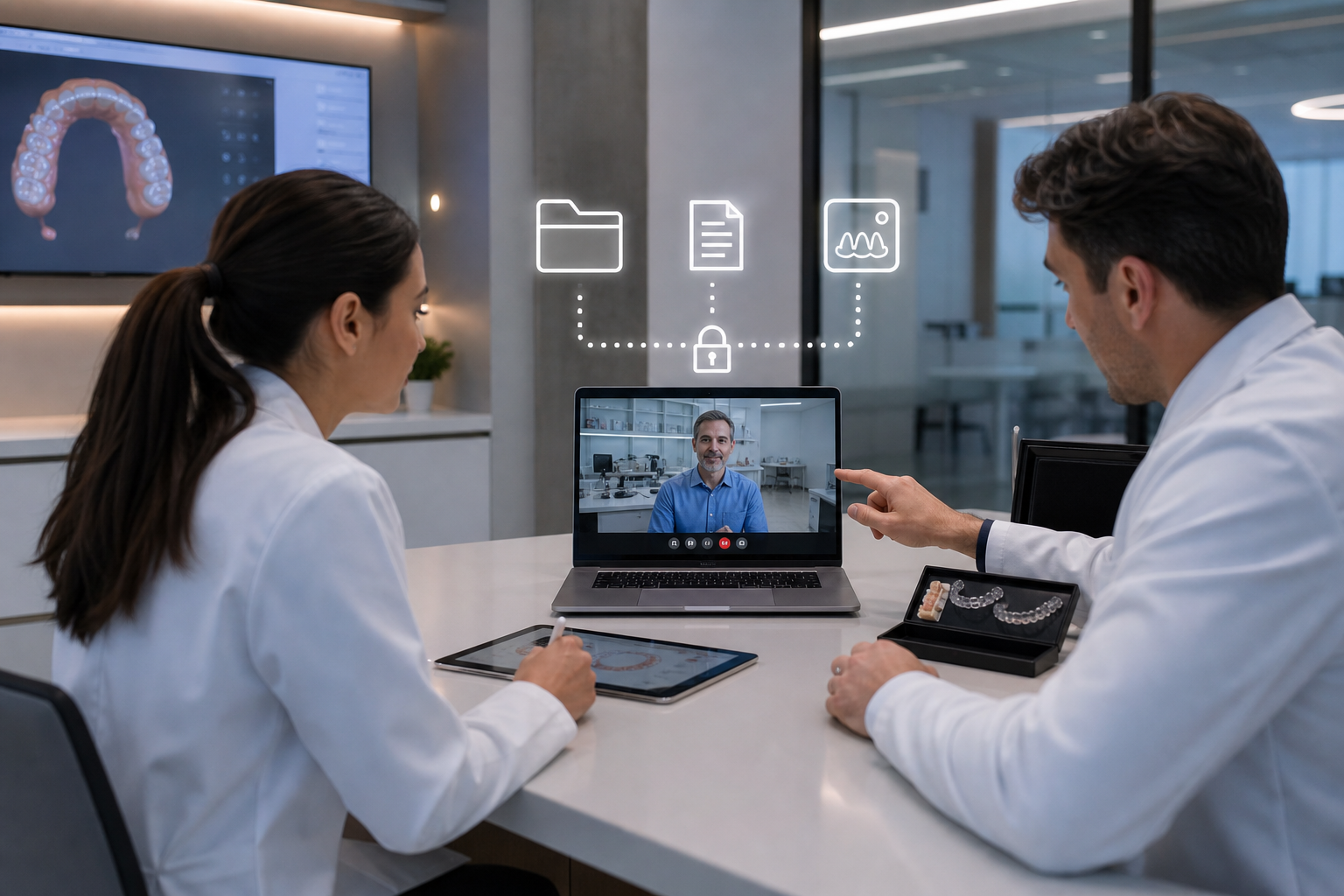
At Nordicdens, we manage the complexities of MDR compliance and ISO standards. We provide your practice with precision-fabricated appliances that are ready for clinical use and fully documented for your records. This allows your clinic to focus on patient outcomes while we ensure the legal and physical integrity of the devices you prescribe.
Ensure your practice remains ahead of the shifting regulatory landscape while maintaining the highest standards of precision. Contact Nordicdens – Orthodontic Laboratory today to learn how our compliant digital workflow can support your clinic’s growth and patient safety.