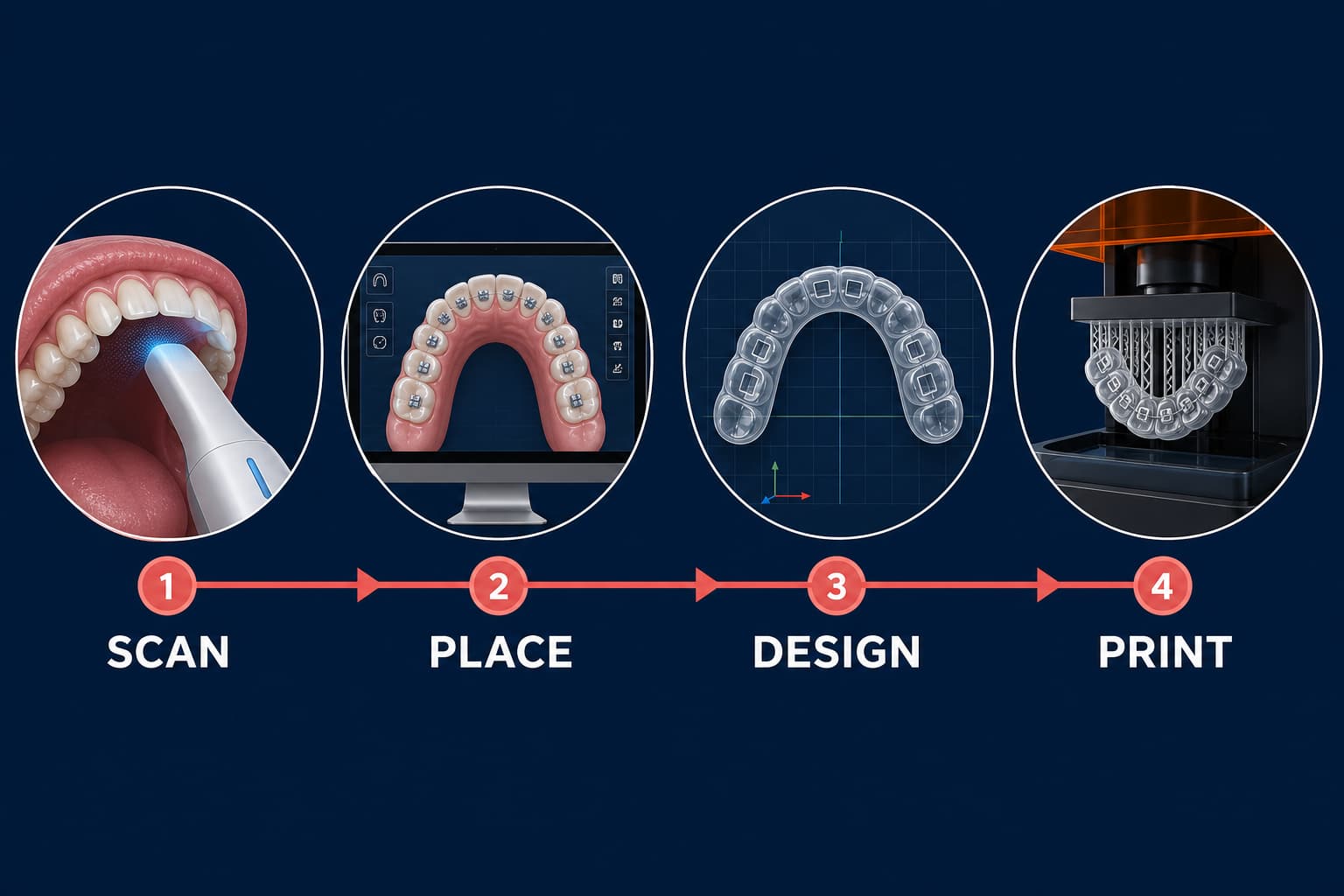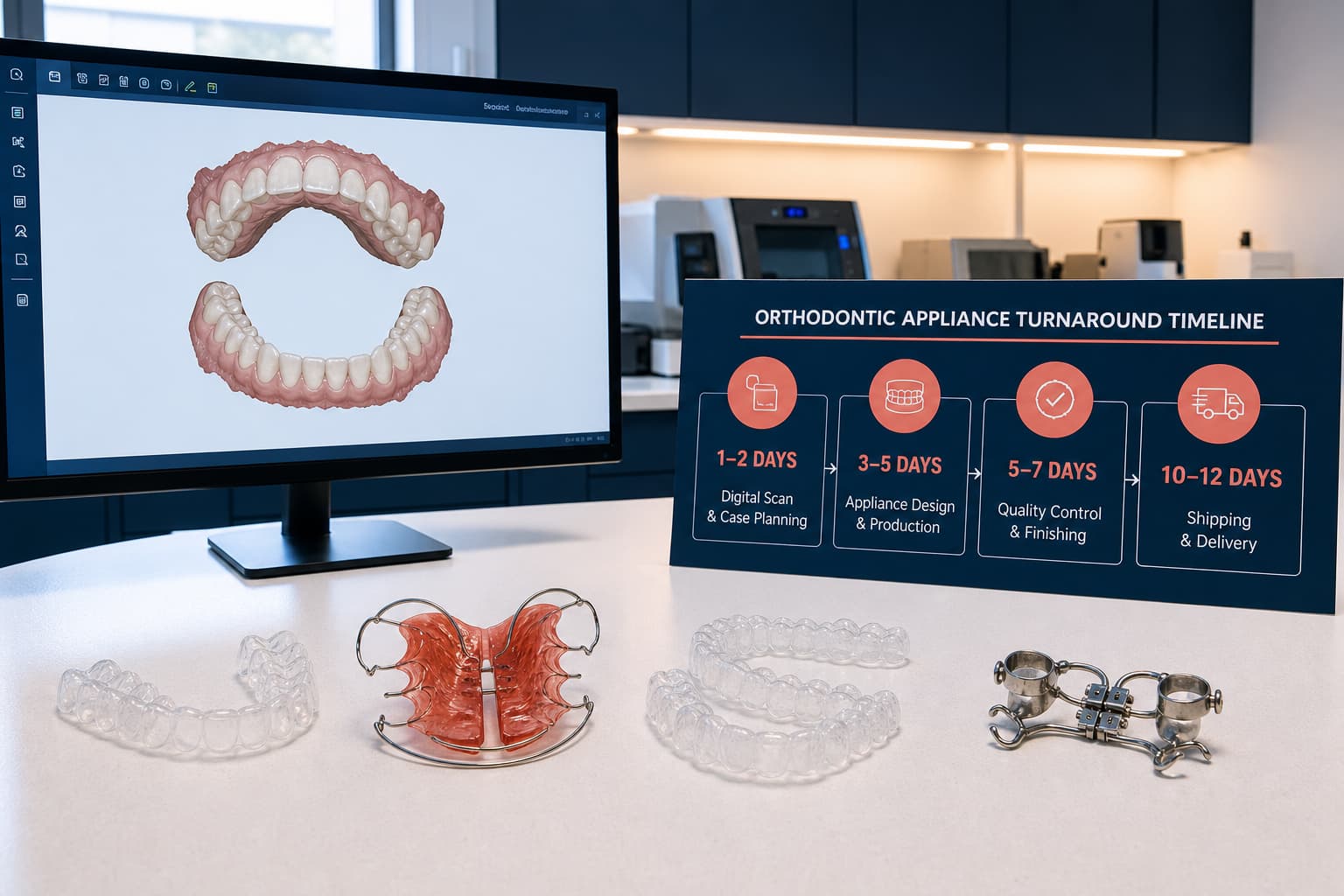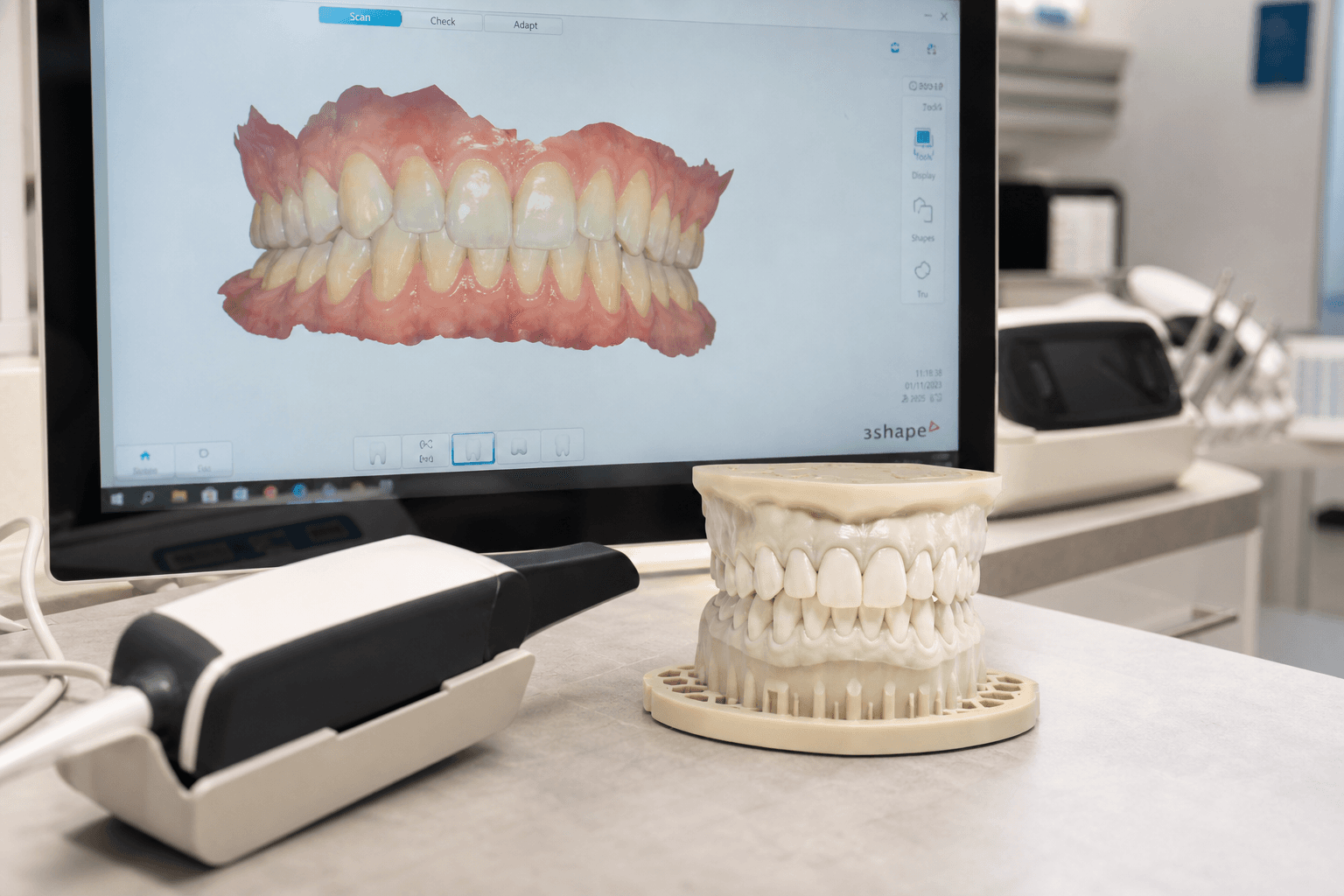
Clinical success in modern orthodontics is dictated by a single, uncompromising metric: the dimensional deviation between your intraoral scan and the physical appliance. While manufacturers often highlight high resolution as a primary selling point, true clinical precision is a product of sophisticated workflows, hardware calibration, and optimized geometric orientations. For the majority of orthodontic applications, maintaining a dimensional tolerance within ±0.25 mm for individual teeth and ±0.5 mm for the dental arch serves as the definitive benchmark for a predictable fit.
Accuracy vs. Resolution: The Technical Distinction
It is common to conflate resolution with accuracy, yet these parameters serve distinct roles in the 3D printing revolution in orthodontics. Understanding the nuance between them is essential for evaluating equipment and output quality.
- Resolution (XY and Z): This refers to the smallest detail a printer can physically produce. In the Z-axis, this is known as layer thickness. While a 25-micrometer layer height may appear superior on a datasheet, research indicates that thinner layers do not consistently yield statistically significant gains in overall dimensional accuracy compared to standard 100-micrometer settings.
- Accuracy (Trueness and Precision): This represents real-world performance. Trueness measures how closely the printed model matches the original STL file, while precision (or repeatability) measures the consistency of the printer in producing the same result across multiple production runs.
For a clinical practice, a printer with high resolution but poor trueness is a liability. It may produce smooth surfaces, but if the entire arch has expanded or contracted during the process, the resulting clear aligners will fail to track properly, leading to mid-treatment corrections and lost chair time.
Clinical Tolerances and Empirical Data
In orthodontic production, absolute perfection is unattainable; clinical acceptability is the realistic standard. Data regarding DLP (Digital Light Processing) technology demonstrates that approximately 98% of individual measurements stay within the ±0.25 mm threshold required for precise tooth movement.
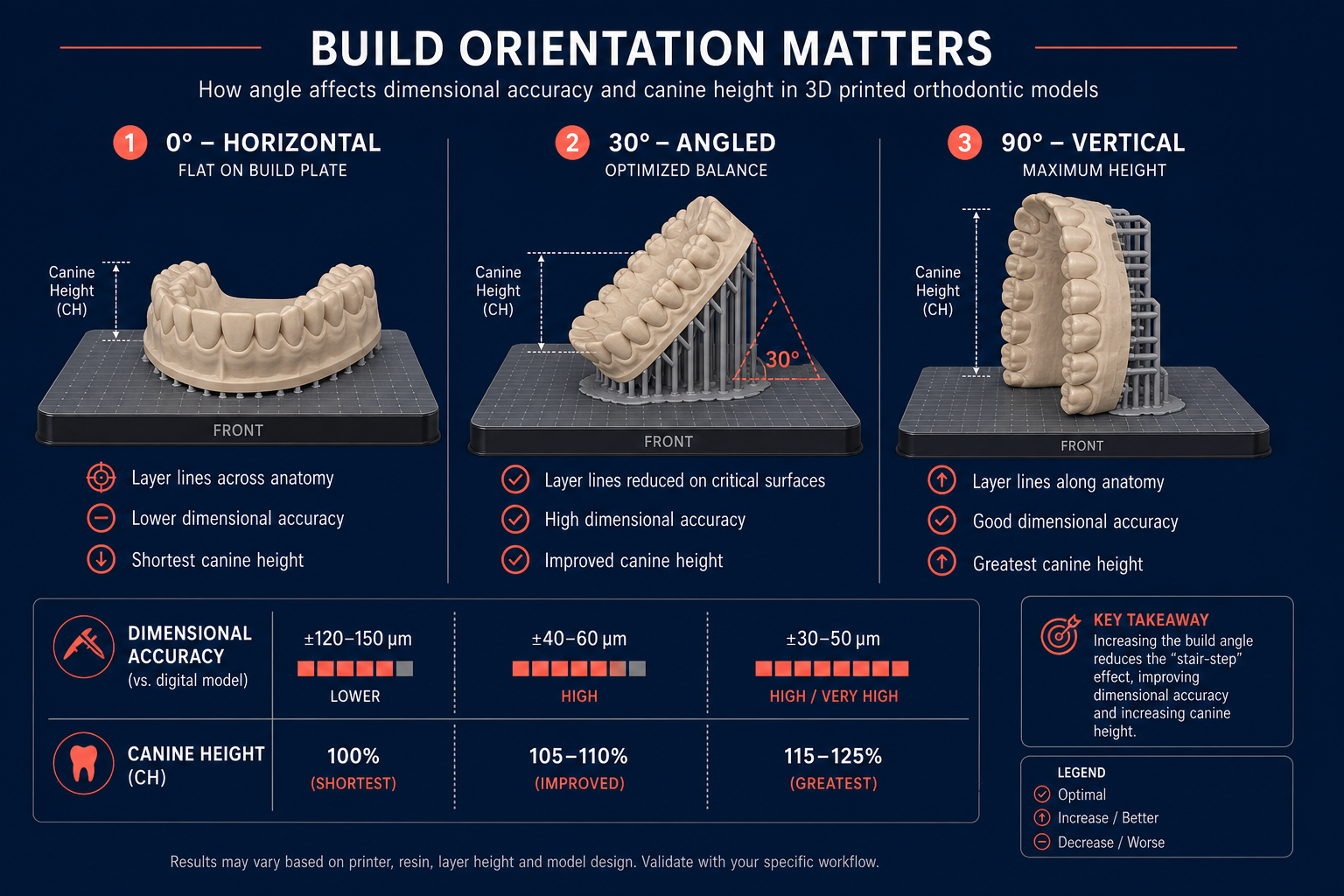
However, accuracy is not static. It fluctuates based on the design of the model and its orientation on the build plate. Research has shown that while most configurations are highly accurate, certain designs, such as shell models printed at a 0° angle, can occasionally show deviations in vertical dimensions like canine height. Navigating these nuances is why a robust digital workflow from scan to appliance requires rigorous, ongoing validation.
Factors That Influence Dimensional Precision
Several variables beyond the printer itself dictate whether a direct-printed orthodontic appliance will fit your patient with the necessary precision.
- Build Orientation: The angle at which a model sits on the platform – whether 0°, 70°, or 90° – affects how UV light cures each layer. Angled prints often reduce the "stair-stepping" effect but may introduce slight skewing if the support structures are not engineered correctly.
- Model Architecture: Solid models generally offer the highest dimensional stability. While hollow or shell models conserve resin, they are more susceptible to warping during the post-curing process if the wall thickness is insufficient to withstand material shrinkage.
- Material Properties: Various orthodontic 3D printing materials exhibit different shrinkage rates. A resin formulated for a diagnostic model has different deformation characteristics than a Class IIa biocompatible resin used for permanent intraoral appliances.
- Post-Processing Rigor: The cleaning and secondary UV curing stages are critical to final dimensions. Over-curing can lead to brittleness and excessive shrinkage, while under-curing leaves the appliance dimensionally unstable and potentially non-biocompatible due to residual monomers.
The Role of Professional Lab Calibration
While desktop 3D printers are now accessible to many clinics, maintaining industrial-grade accuracy requires constant calibration and environmental control. Professional laboratories utilize high-end DLP and SLA systems that are validated for repeatability, ensuring that the appliances you receive are an exact physical manifestation of your digital treatment plan.
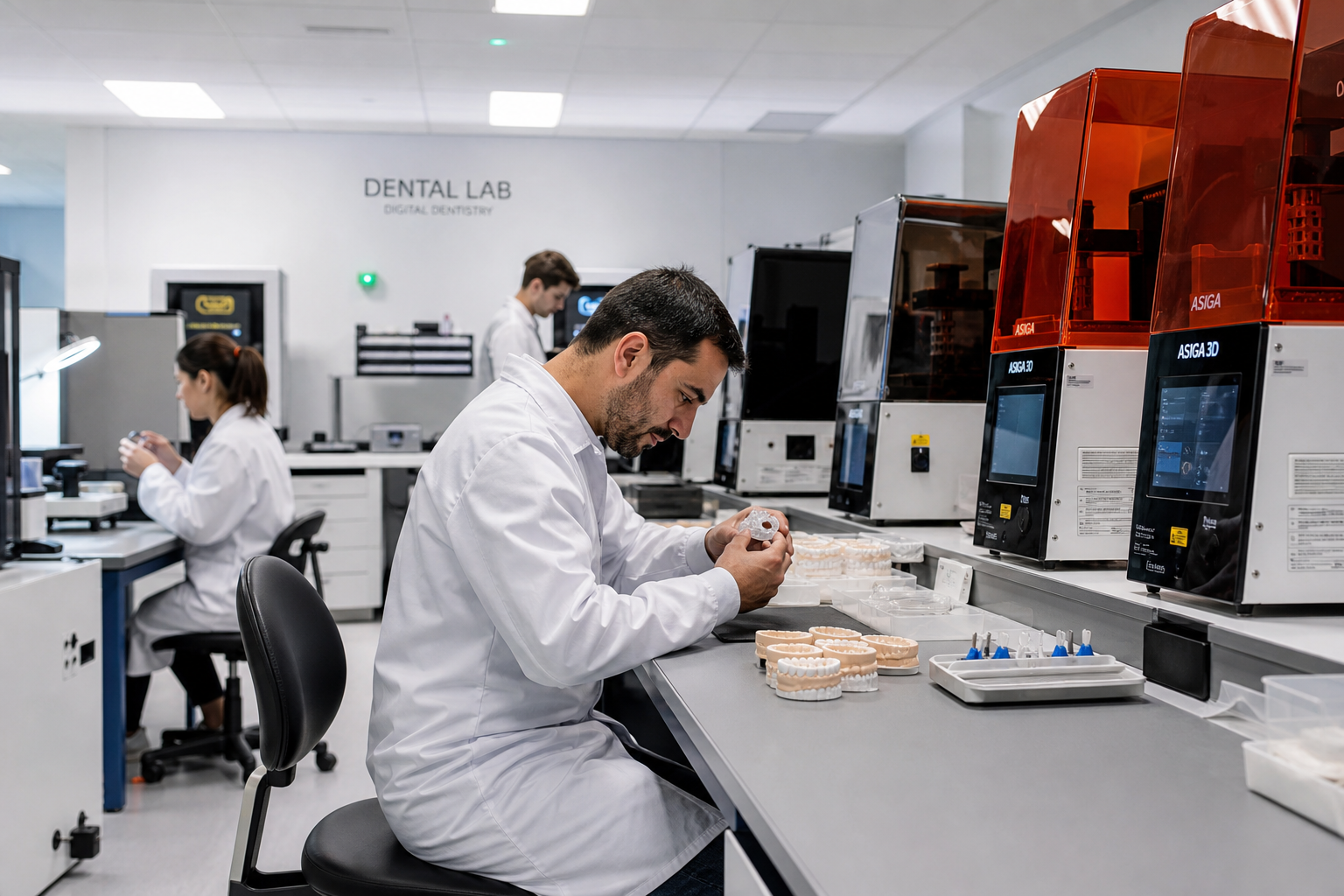
By shifting the technical burden of maintenance, resin chemistry, and tolerance testing to a specialized facility, you eliminate the trial-and-error phase associated with in-house printing. This allows your clinic to prioritize clinical outcomes and patient care rather than troubleshooting print failures or fit issues.
Elevate Your Clinical Precision
Navigating the complexities of micron-level tolerances should not impede the efficiency of your practice. If you are seeking to integrate high-accuracy digital models or direct-printed appliances into your daily operations, NordicDens provides the technical expertise and industrial capacity to ensure every case fits correctly the first time.
Contact our team today to discuss how our calibrated 3D printing workflows can support your clinic’s transition to a fully digital orthodontic environment.