Clinical predictability in orthodontics relies directly on the manufacturing integrity of the laboratory producing your appliances. While voluntary credentials like Certified Dental Laboratory (CDL) status validate technical proficiency, mandatory regulatory frameworks such as ISO 13485:2016 govern the biological safety and legal compliance of custom medical devices. Establishing a compliant quality management system (QMS) requires administrative effort, yet this operational structure drastically reduces liability, prevents device remakes, and safeguards patient health.
Understanding how voluntary quality benchmarks intersect with statutory mandates enables clinic managers and laboratory professionals to evaluate suppliers effectively and streamline internal workflows.
Voluntary Certification vs. Mandatory Compliance
Distinguishing between voluntary accreditation and statutory compliance is essential for effective risk management. While both aim to maintain high operational standards, they fulfill distinct regulatory and operational roles.
- Voluntary Accreditation: Credentials offered by national boards focus on facility safety, continuing technician education, and standardized manufacturing practices. Facilities adhering to frameworks like CDL or DAMAS demonstrate structured management, routine internal audits, and dedicated oversight by certified technicians.
- Mandatory Regulatory Frameworks: Legal regulations mandate that all custom orthodontic appliances satisfy biological and mechanical safety criteria before clinical delivery. Under European legislation, custom devices must fulfill stringent General Safety and Performance Requirements (GSPR), backed by an auditable quality management framework. You can review these legal mandates in detail within our overview of orthodontic lab regulatory compliance.
Implementing voluntary quality systems provides the administrative backbone needed to satisfy overarching statutory standards. This structured approach simplifies audit preparation and ensures consistent appliance quality.
The Core Pillars of ISO 13485:2016 Alignment
Aligning laboratory operations with ISO 13485:2016 represents the global standard for medical device quality management. This standard dictates strict controls across every phase of appliance fabrication, from digital file receipt to final packaging.
Document Control and Medical Device Files
ISO 13485 requires maintaining a comprehensive medical device file for each appliance category. This documentation must establish clear operational parameters, including:
- Intended clinical indications and prescription requirements.
- Material safety data sheets (SDS) and physical property specifications.
- Standardized manufacturing, post-processing, packaging, and storage protocols.
Material Traceability and Lot Logging
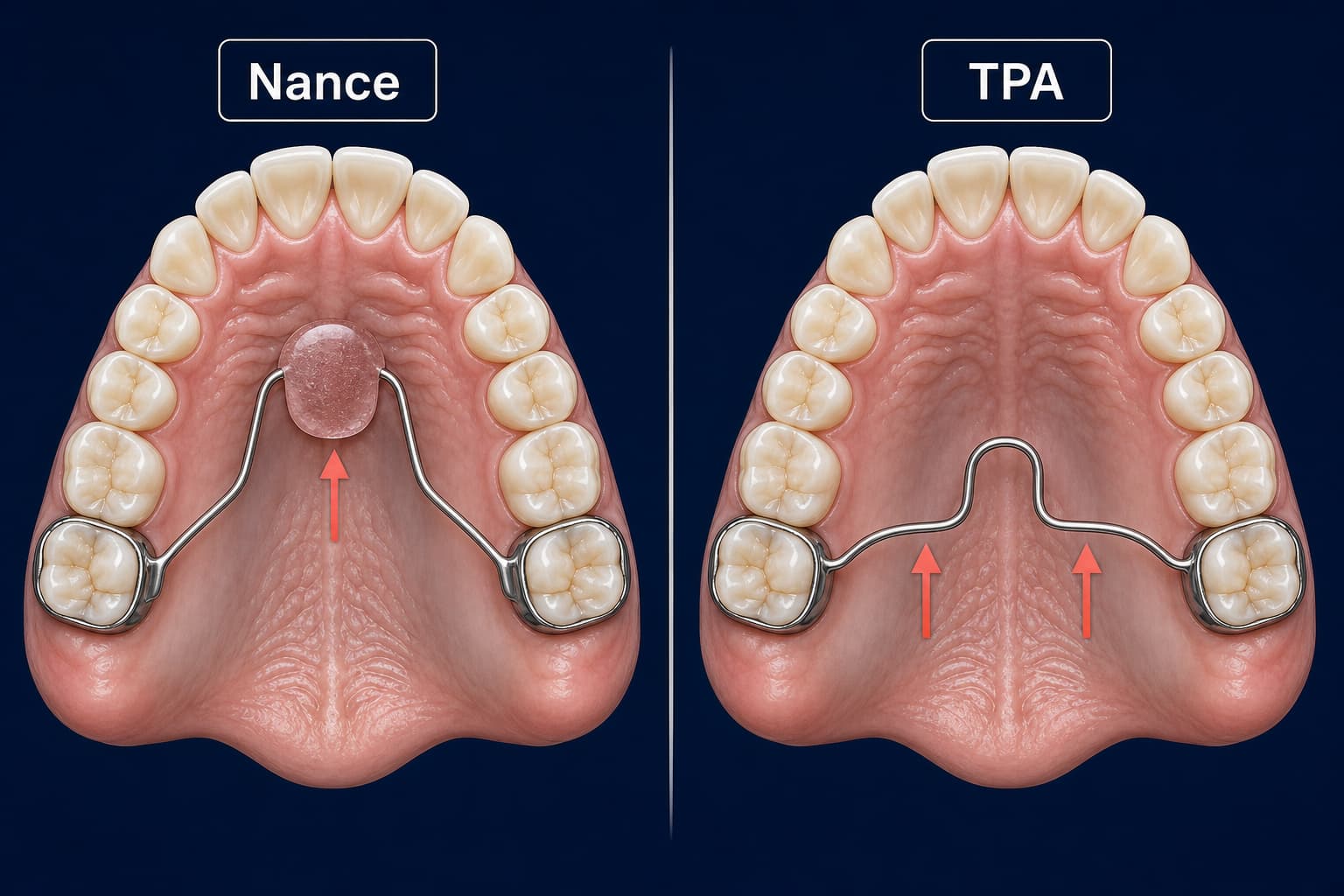
Every custom retainer, direct-printed aligner, or expansion arch must map directly to its constituent raw material batch. Laboratories must record lot numbers for all light-curing resins, thermoforming polymers, and stainless steel wires. Full lot traceability ensures rapid identification and containment if a raw material manufacturer issues a recall.
Three-Stage Quality Verification
A compliant laboratory replaces casual visual inspection with a structured, three-stage quality control system:
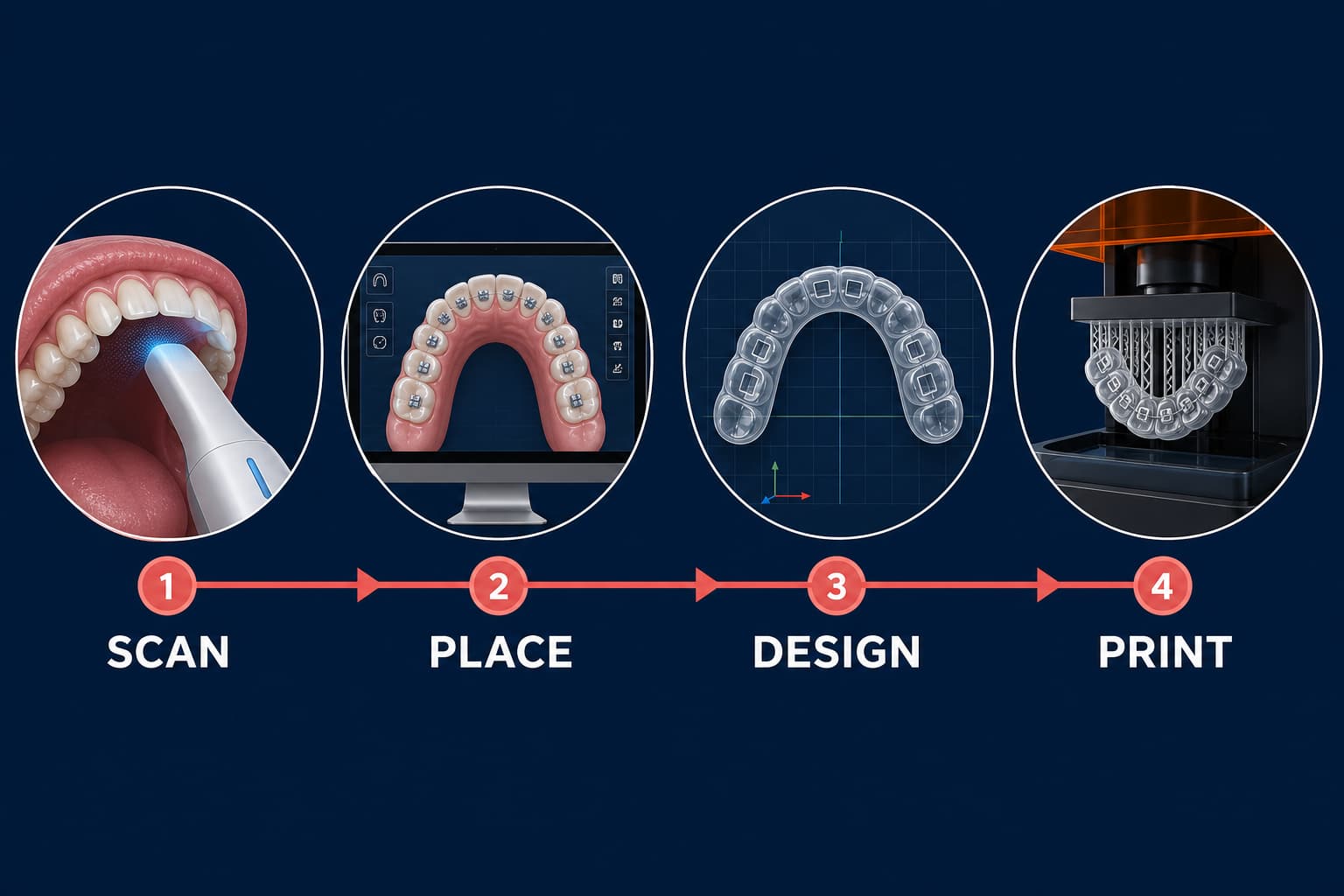
- Pre-Production: Technicians perform digital mesh analysis on incoming intraoral scans to verify margin clarity, terminal molar capture, and accurate interocclusion.
- In-Process: Operators monitor printer light intensity, XY resolution calibration, milling bur wear, and UV curing parameters, such as nitrogen gas purge cycles.
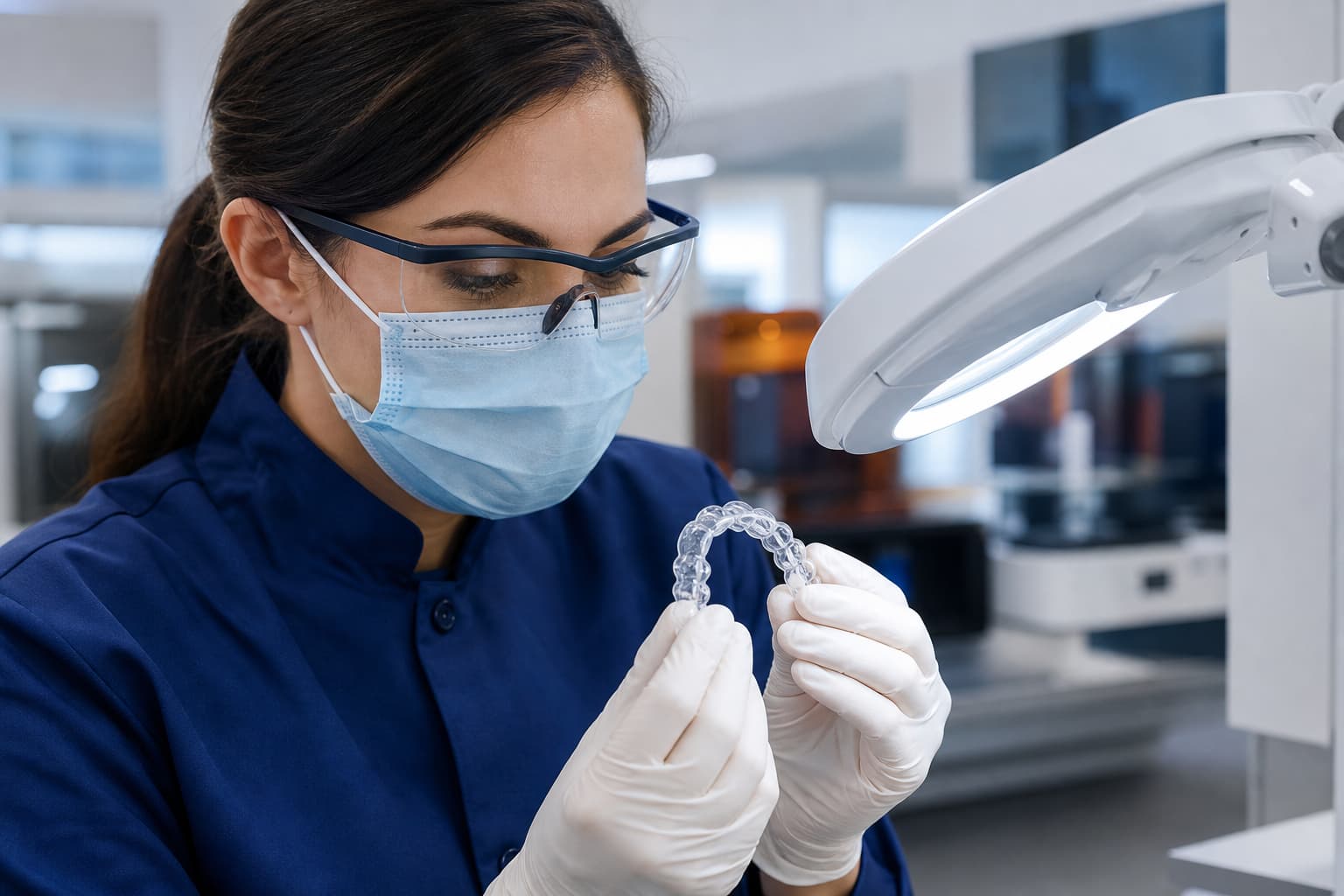
- Post-Production: Quality personnel measure physical appliance dimensions against digital master models, verify contour smoothness, and evaluate surface polish.
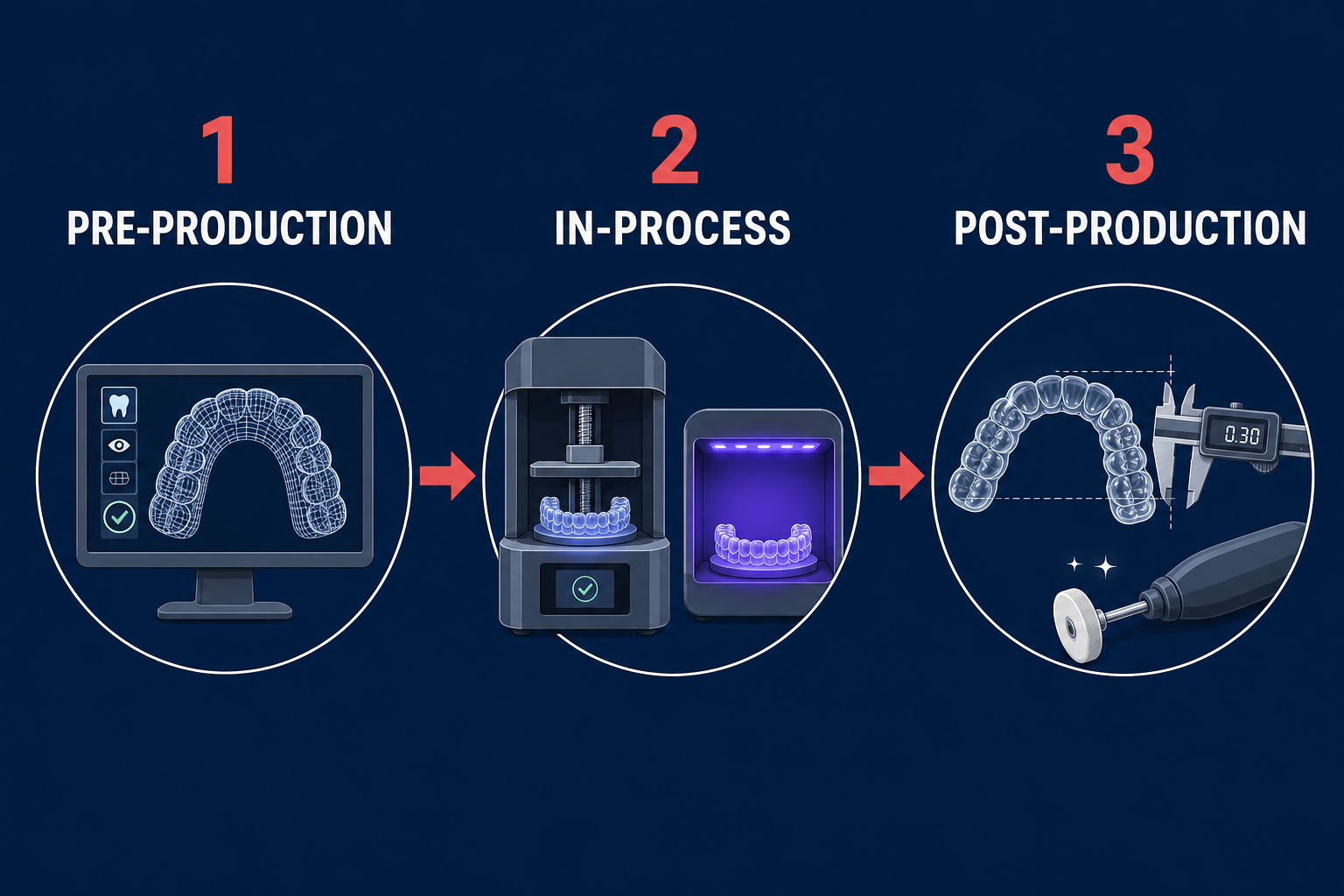
For a deeper look into implementing these validation gates, explore our detailed guide on orthodontic lab quality control.
Technical Credentials and Infection Control
Maintaining a compliant manufacturing facility requires skilled technical staff alongside rigorous environmental safety controls.
Technical Expertise and Continuing Education
Accredited laboratories rely on qualified dental technicians who specialize in orthodontic appliance design. Maintaining technical credentials demands ongoing education in biomechanics, digital CAD staging, and additive manufacturing techniques. This continuous training ensures technicians understand both polymer material limits and clinical treatment goals.
Infection Prevention and Decontamination
Facilities handling physical impressions or returned clinical appliances must enforce strict decontamination protocols to prevent cross-contamination:
- Incoming Decontamination: Disinfect all incoming physical impressions, bite registrations, and trial appliances using intermediate-level, hospital-grade disinfectants before laboratory processing.
- Personal Protective Equipment: Equip technicians with appropriate protective gear and local exhaust ventilation during chemical washing with isopropyl alcohol (IPA), resin grinding, and dry polishing.
- Zonal Isolation: Maintain strict physical separation between incoming clinical items and clean production areas where finished appliances undergo packaging.
Compliance in Additive and Digital Manufacturing
Transitioning from traditional plaster workflows to digital production introduces novel compliance requirements for CAD software, additive printers, and post-processing equipment.
Biocompatible Material Selection
When fabricating appliances intended for intraoral contact, facilities must use medical-grade resins certified for their specific duration of use. Materials should hold Class IIa medical-grade certification, having passed rigorous testing for cytotoxicity, systemic toxicity, and mucosal irritation.
Process and Software Validation
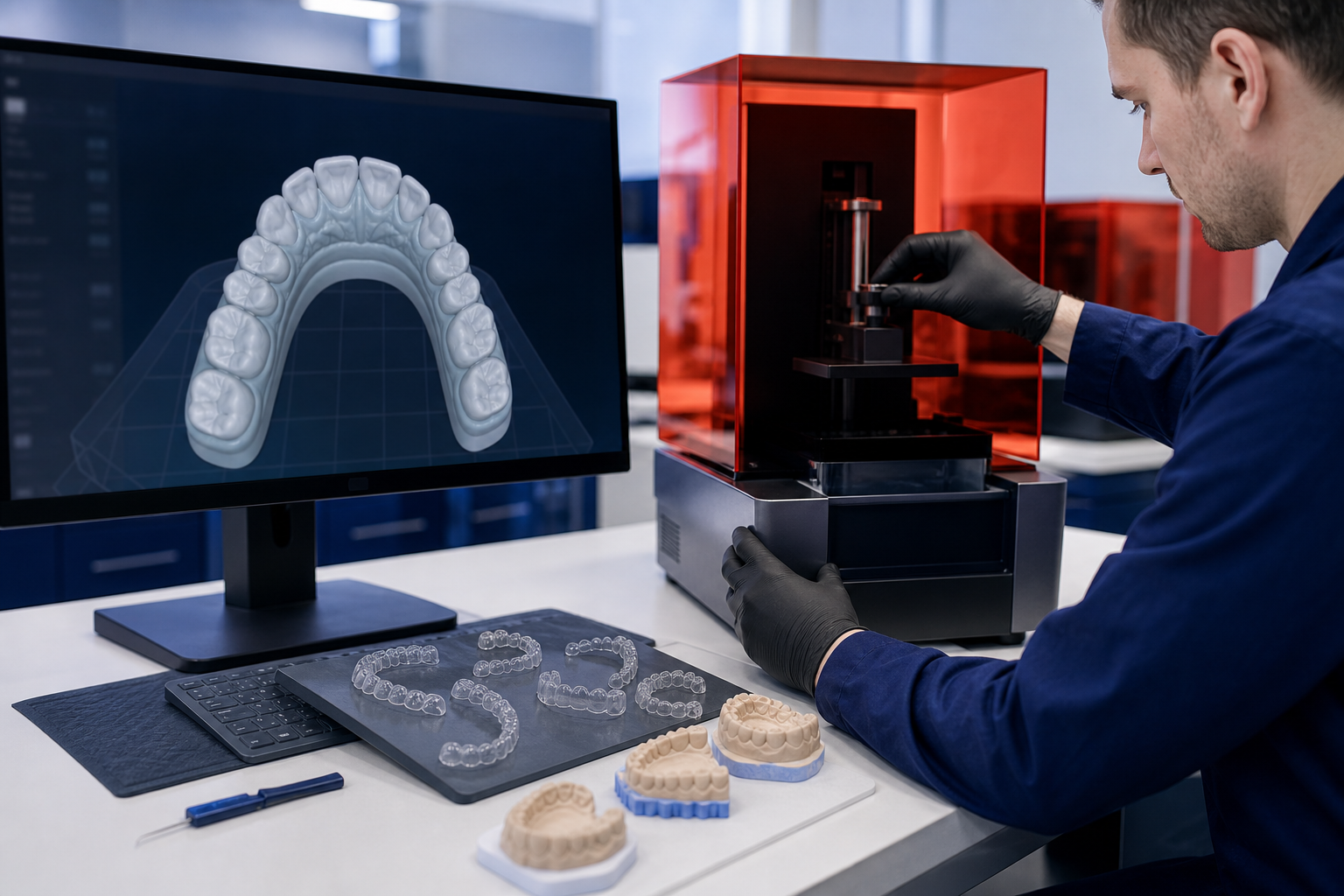
Under ISO 13485, software utilized in device design or manufacturing must undergo formal process validation. Digital production pipelines rely on calibrated light engines (DLP or SLA) to maintain dimensional accuracy across the build platform. You can learn more about managing these critical parameters by reading our guide to the clear aligner fabrication process.
Navigating Certification Audits
Transitioning a laboratory facility toward formal ISO 13485 certification involves a systematic, multi-stage assessment performed by an independent registrar:
- Stage 1 (Documentation Audit): Assessors review your quality manual, standard operating procedures, record retention policies, and risk analysis files to confirm structural readiness.
- Stage 2 (On-Site Audit): Auditors inspect physical operations, verify material batch logs, observe post-processing steps, and interview technicians regarding equipment calibration and corrective action (CAPA) procedures.
- Surveillance and Recertification: Certified facilities undergo annual surveillance audits to verify system maintenance, followed by a full recertification assessment every three years.
Elevating Your Quality Management Framework
Integrating certified quality management protocols requires dedicated effort, but it delivers clear returns in clinical predictability, reduced remakes, and complete regulatory compliance. Partnering with a compliant laboratory protects your clinical practice from liability while delivering durable, precise appliances to your patients.
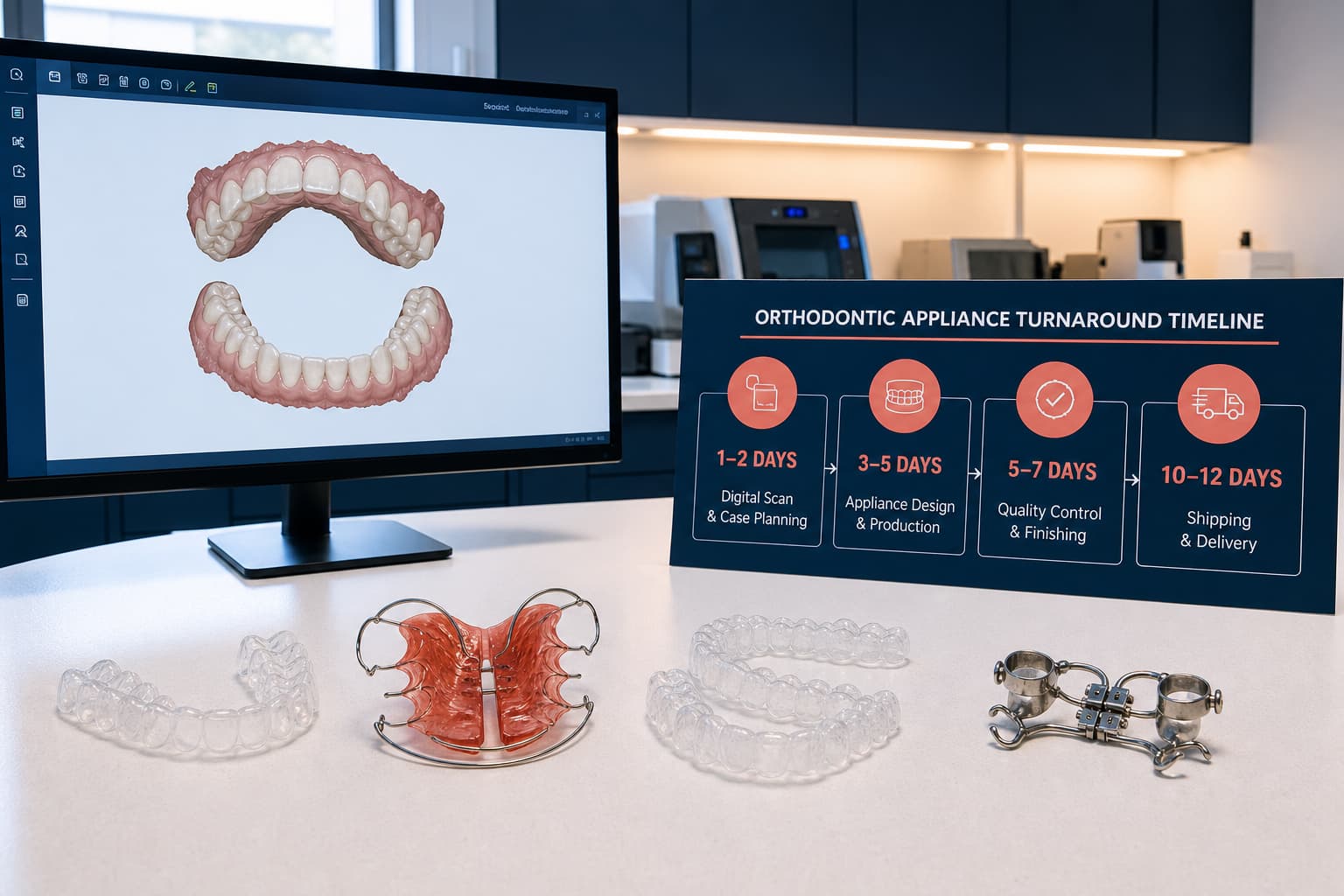
Nordicdens combines deep orthodontic laboratory expertise with advanced digital manufacturing. Our 100% digital case-tracking system, comprehensive batch traceability, and multi-stage quality controls ensure your clinic receives compliant, highly accurate appliances for every prescription.
Contact Nordicdens today to integrate certified direct-print and thermoformed orthodontic appliances into your clinical workflow.