To scale orthodontic services across multi-location dental groups without escalating costs, you must decouple local hardware choices from your laboratory pipeline. Centralizing case data through an open digital thread eliminates clinical variability, drops remake rates – over 80% of which stem from clinic-side data gaps – and accelerates turnaround times across every practice in your network.
Clinical directors often hesitate to centralize operations, fearing that rigid standardization will erode practitioner autonomy, burden staff with administrative protocols, or force expensive hardware upgrades across every practice. Furthermore, managing regional lab vendors alongside disparate scanning hardware frequently leads to lost files, delayed approvals, and unpredictable invoicing.
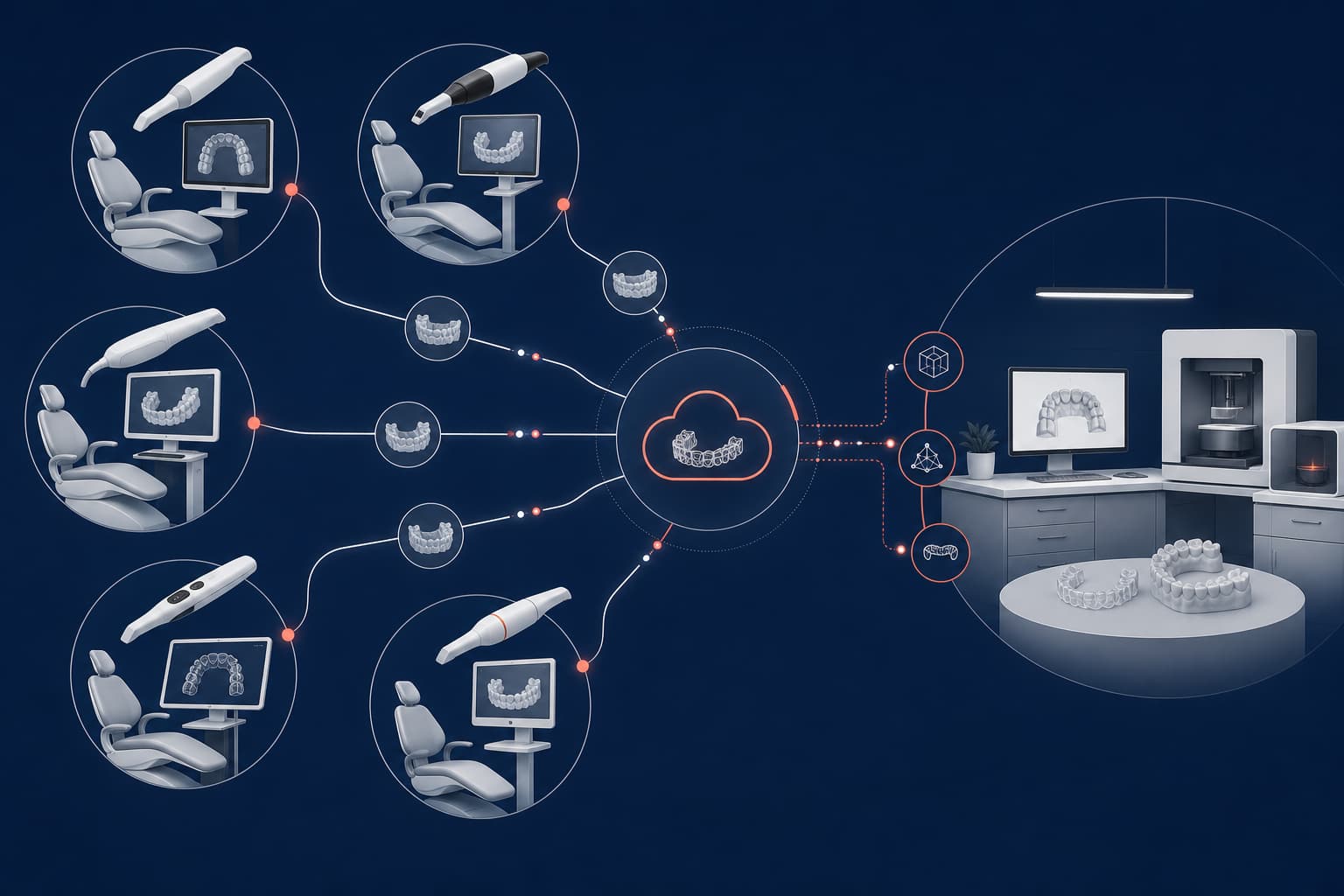
Standardization does not require forcing identical scanners onto every practice. Instead, establishing uniform open-file export standards and a single, transparent data pathway allows individual clinics to retain their preferred intraoral hardware while guaranteeing that every case flows seamlessly into a single manufacturing framework.
Eliminating Multi-Location Workflow Bottlenecks
Centralizing clinical workflows across ten, twenty, or fifty practice locations introduces operational friction when clinics operate isolated hardware and communicate with labs through fragmented channels. Without centralized governance, clinical variance expands, leading to inconsistent appliance fits and increased operational overhead.
Unstandardized clinical submissions remain the primary driver of appliance remakes and clinical delays. Over 80% of orthodontic laboratory remakes stem from information gaps at the clinic level – such as incomplete scan meshes, unverified occlusal registrations, or ambiguous prescriptions. When practice groups operate without uniform digital protocols, these errors compound across locations.
The solution relies on standardizing the data format and submission channel rather than restricting local hardware choices. By establishing an open digital thread, your group practice maintains total flexibility over hardware acquisitions while establishing a single, accountable pathway for every case from initial scan to final fitting.
Establishing an Open Digital Architecture
Multi-location dental groups thrive when they eliminate proprietary technological lock-in. Choosing between open vs. closed digital systems determines how effectively your practice network scales. Closed ecosystems tether your locations to specific hardware vendors, forcing your group into mandatory software subscriptions, click fees, and restricted manufacturing options.
An open digital architecture allows your clinics to capture data on diverse intraoral hardware – whether 3Shape TRIOS, iTero, or Medit – and export standardized, high-fidelity files into a centralized workflow.
Data Format Standardization
To maintain data integrity across your group, mandate that all locations export open file types:
- STL Files: Ideal for surface geometry, serving as a primary format for diagnostic models, retainers, and 3D-printed appliances. You can review the underlying technical requirements in our guide on STL files in orthodontics.
- PLY and OBJ Files: Essential when color texture maps, gingival tissue variations, or margin annotations must be preserved for complex CAD design.
- DICOM Files: Recommended for volumetric imaging when integrating CBCT data with surface scans to evaluate root-to-crown alignment and craniofacial structures.
Standardizing open exports ensures that your digital assets remain fully interoperable across your software suite and lab network, protecting your group from vendor lock-in.
Standardizing Data Capture and Submission Protocols
A standardized end-to-end scan-to-appliance workflow relies on precise execution at the clinical source. Establishing standard operating procedures for intraoral data capture eliminates clinical variability across your practice locations.
Clinical SOP Checklist
Every location in your dental group should train clinical staff to follow a rigorous submission protocol before dispatching cases:
- Watertight Mesh Verification: Ensure intraoral scans are fully rendered with no holes, distorted surfaces, or missing data near the gingival zenith and terminal molars.
- Interocclusal Bite Registration: Verify the virtual occlusion on-screen to prevent artificial mesh collisions or unnatural open bites.
- Structured Digital Prescriptions: Mandate complete, detailed biomechanical directives rather than general instructions.
- Diagnostic Media: Attach high-resolution clinical photographs alongside the 3D scan data to assist CAD designers.
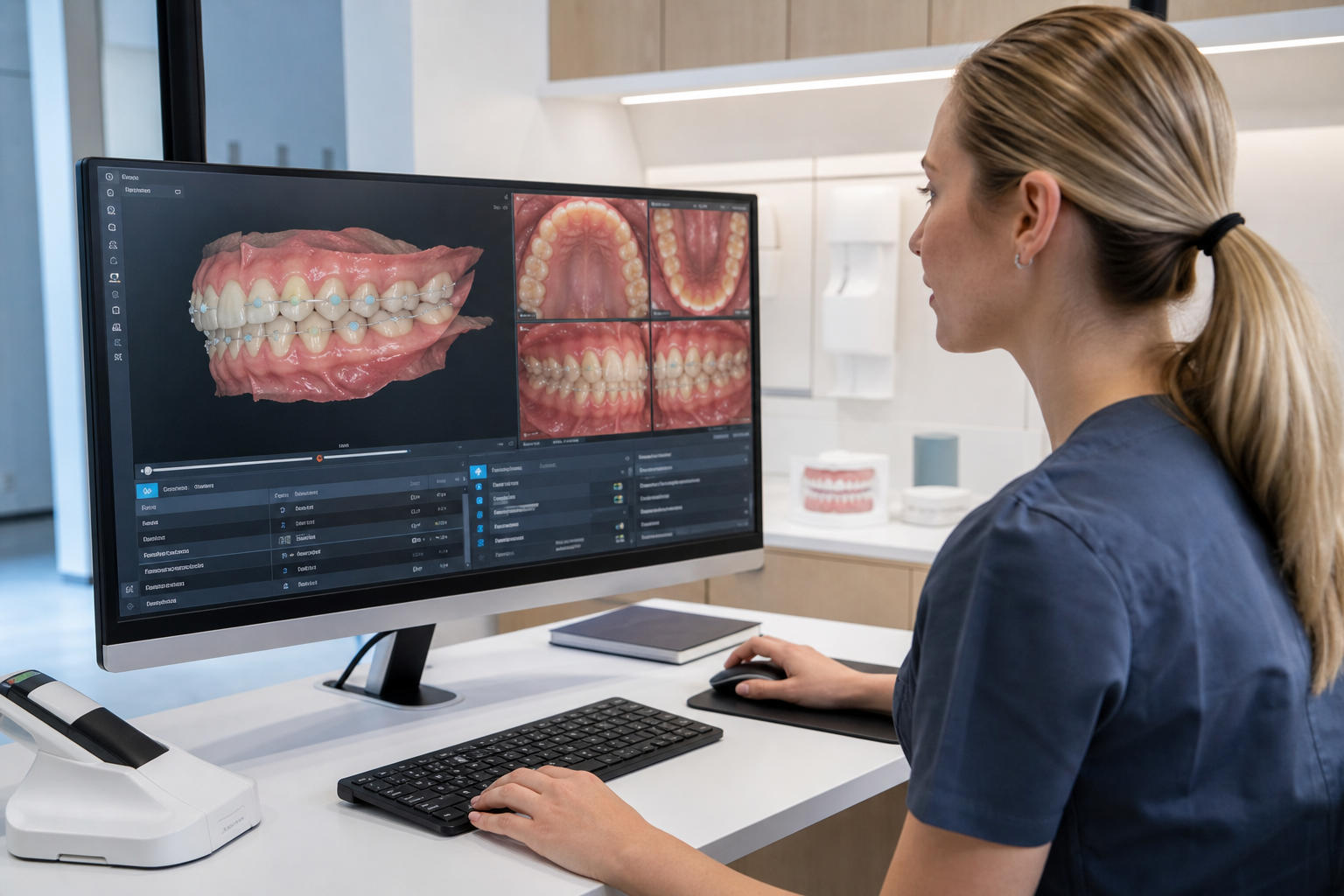
Deploying a standardized digital case submission checklist across your clinical teams eliminates initial submission errors and prevents production delays.
Centralized CAD Design and Laboratory Integration
Once clean digital data leaves the clinic, the workflow transitions seamlessly to computer-aided design and computer-aided manufacturing. Modern orthodontic CAD software enables precise virtual setup creation, bracket placement, and appliance modeling long before physical production begins.
Integrating your multi-location group with a dedicated digital laboratory transforms your production pipeline. Rather than maintaining disparate local lab relationships, a centralized lab partnership offers distinct structural advantages across your organization.
Streamlined Doctor Portals
Centralized doctor portals give group operations teams and individual treating clinicians total visibility over case progress. Clinicians can review digital setups, exchange comments directly with technicians, and approve designs via SMS-linked portals without interrupting their clinical day.
Advanced Manufacturing Precision
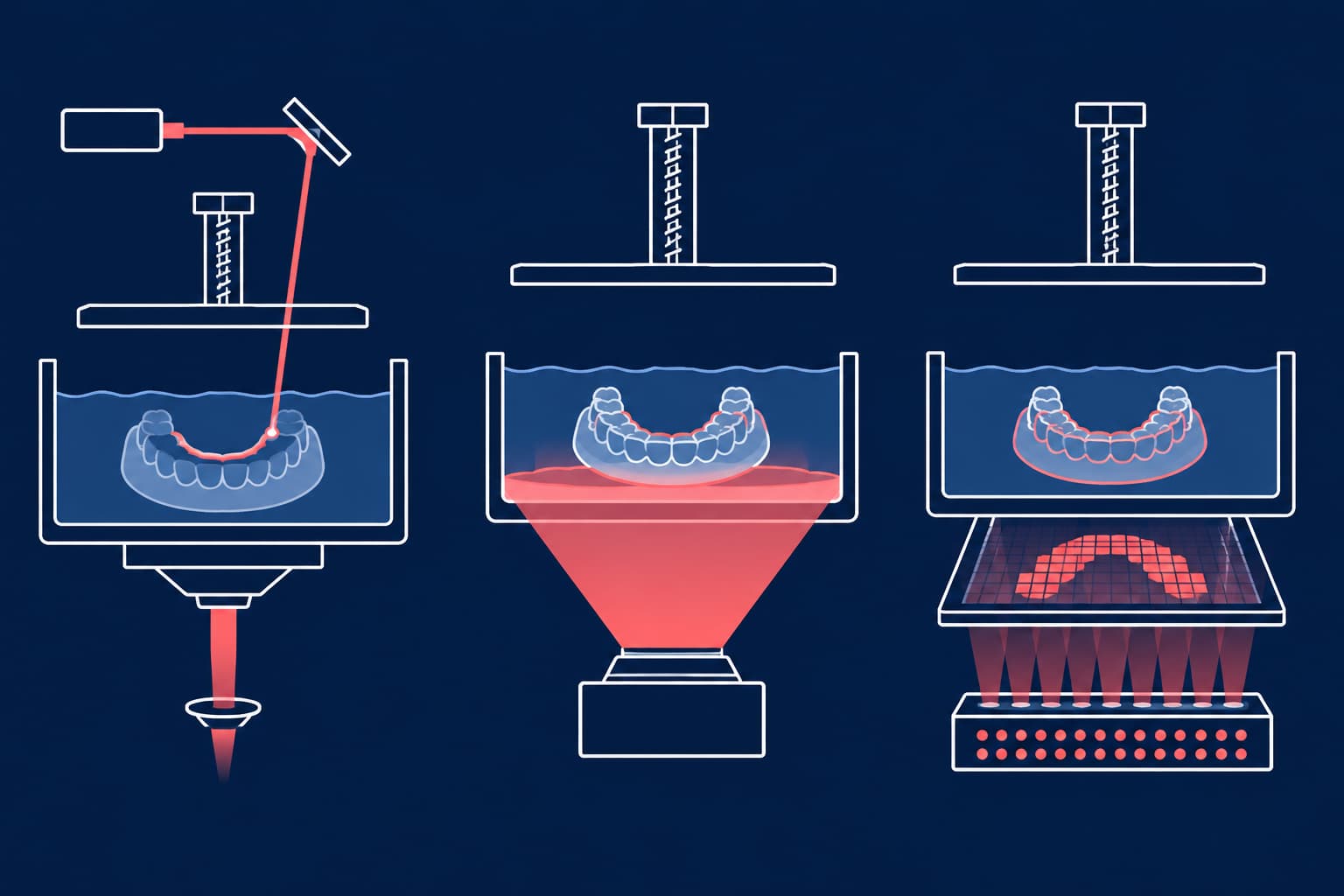
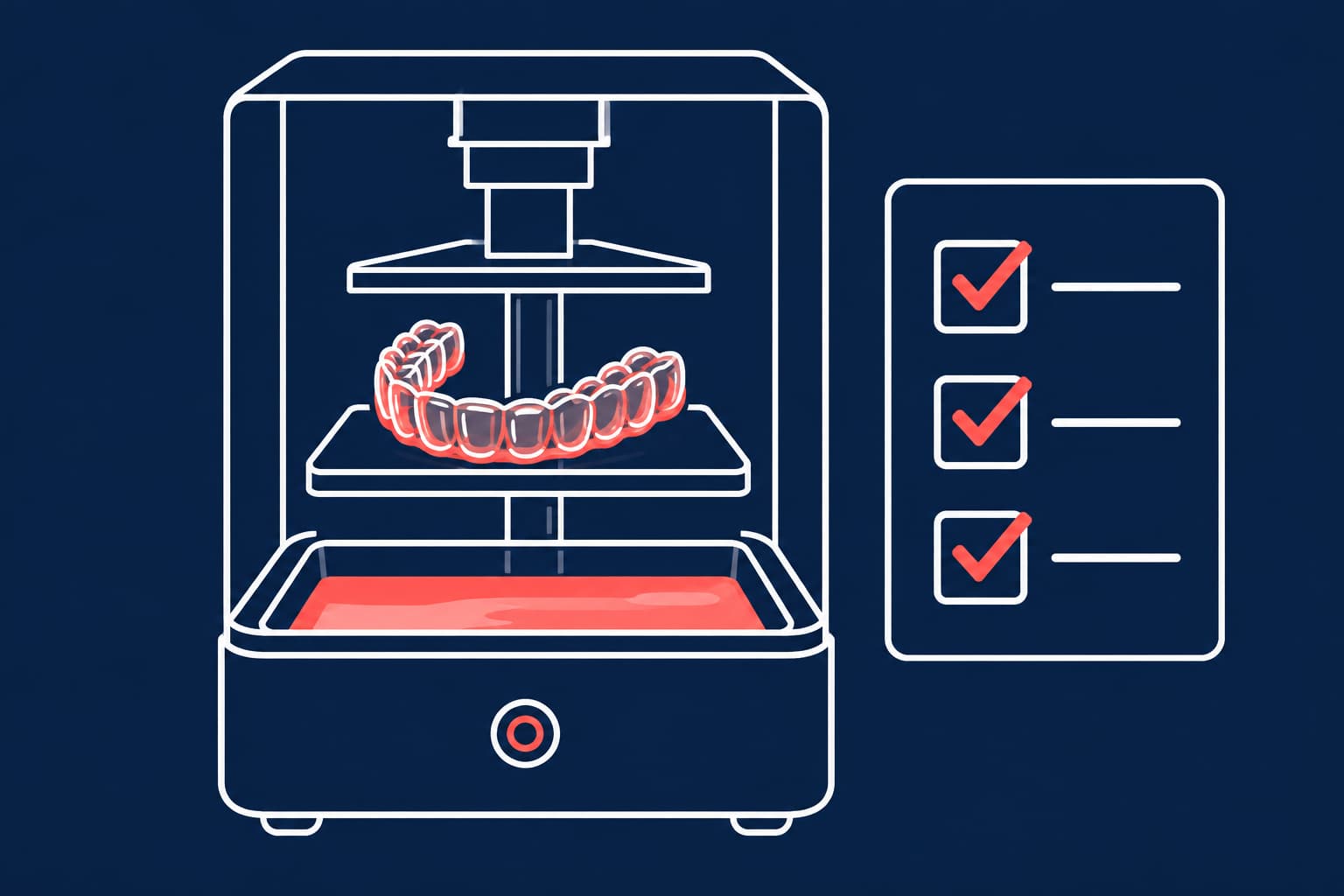
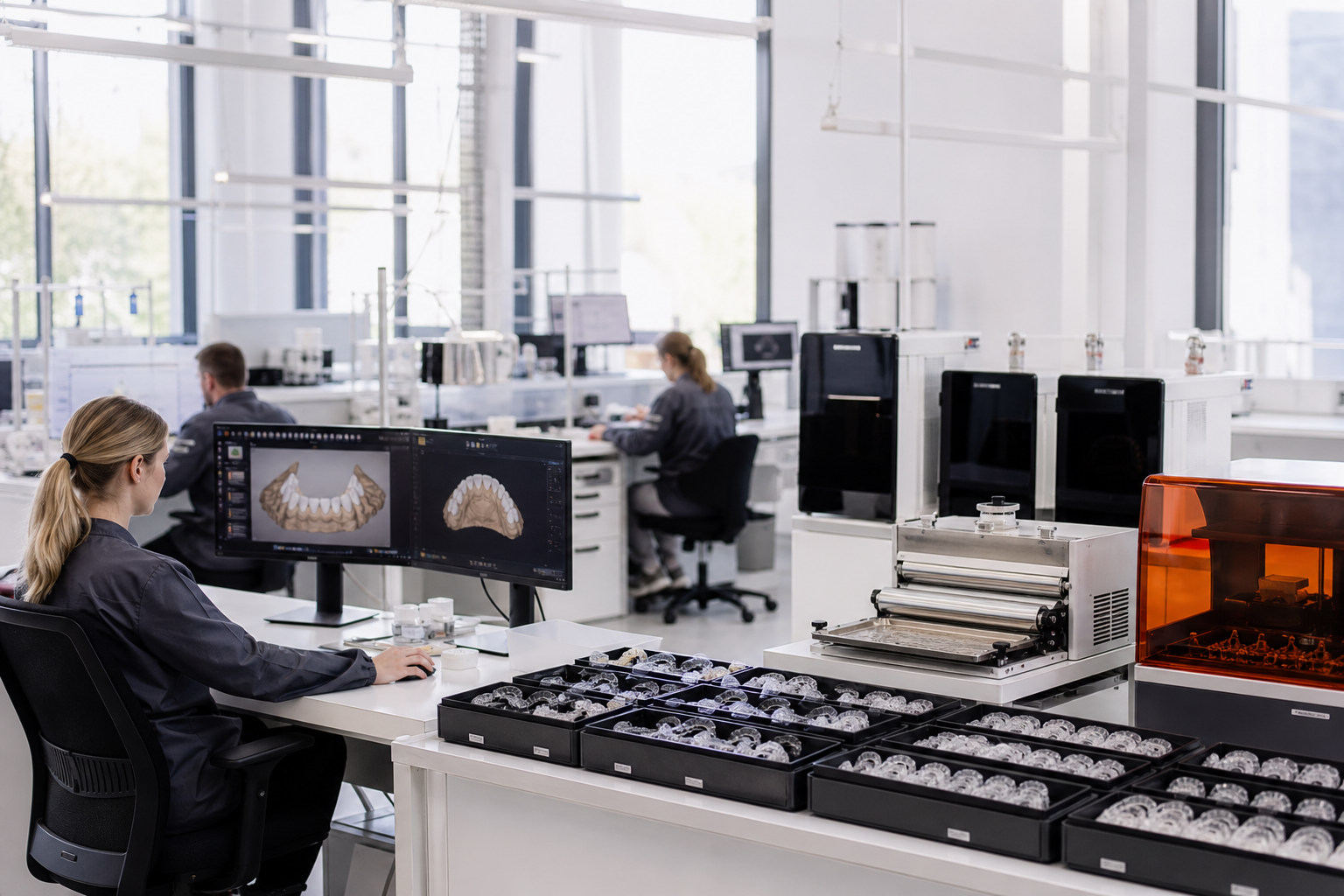
Modern laboratory manufacturing leverages direct 3D printing and thermoforming to fabricate biocompatible, Class IIa medical-grade appliances. Adopting modern CAD/CAM orthodontic production replaces manual stone model casting with micron-level digital accuracy, ensuring identical appliance quality across all practice locations.
Structured Feedback Loops
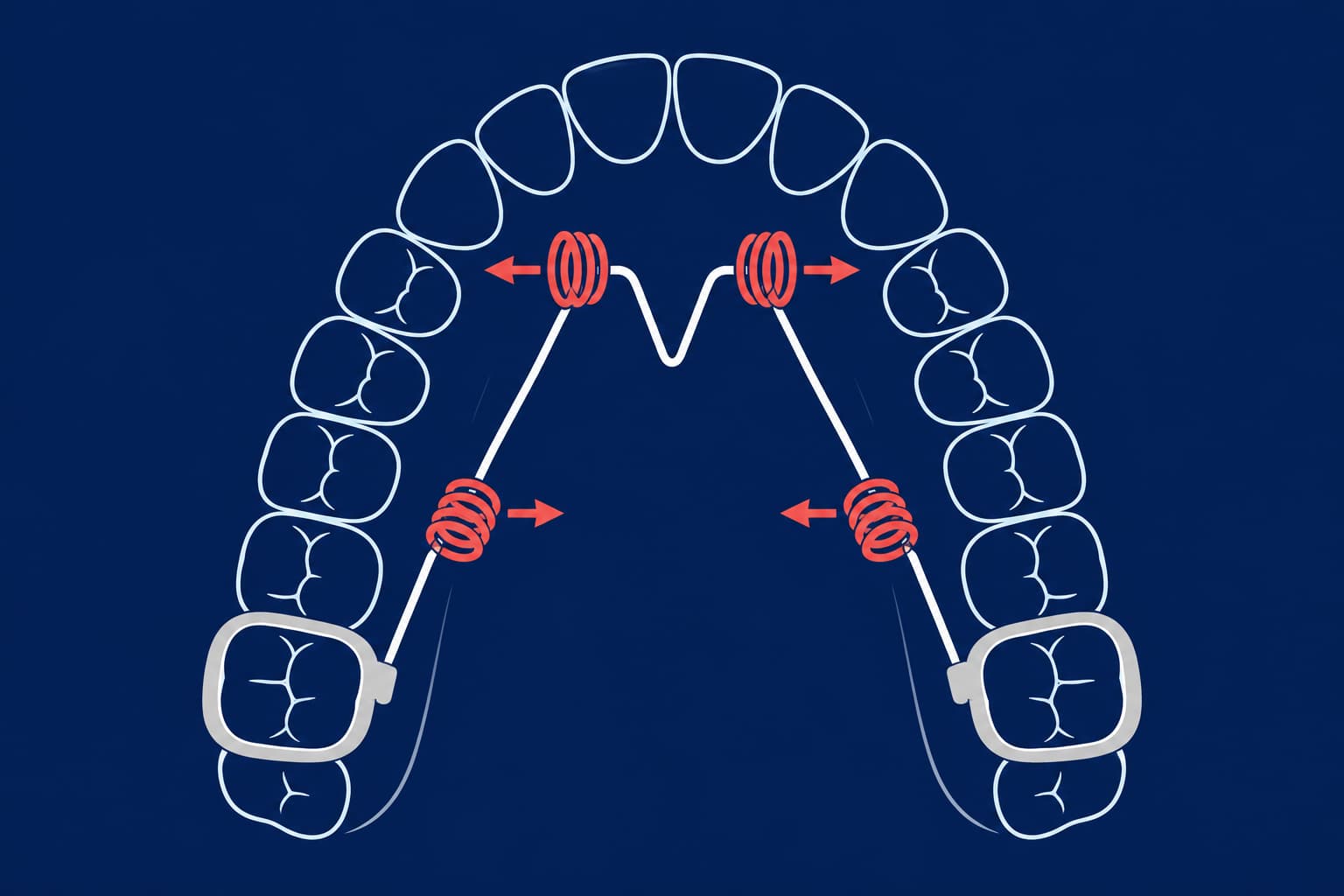
Establishing clear clinic-to-lab communication channels turns technical exchange into an efficient closed loop. Direct technician access ensures complex biomechanical requests – such as indirect bonding trays, expanders, or clear aligner staging – are executed precisely according to clinical intent.
Quality Assurance, Security, and Governance
Scaling an orthodontic network across Scandinavia, the Baltics, or broader European markets requires strict compliance with medical device regulations and data privacy standards.
Data Protection and Compliance
Transmitting patient files via unsecured email exposes dental groups to severe regulatory penalties under GDPR. Multi-location groups must enforce secure, encrypted portal transfers and execute data processing agreements with every third-party vendor handling patient identification and scan data.
Multi-Stage Quality Control
A centralized workflow is only as reliable as its quality assurance gates. High-performing laboratory partners enforce multi-stage quality checks:
- Pre-Production Analysis: Technicians validate mesh integrity, landmark identification, and bite clearance immediately upon file receipt.
- In-Process Inspection: Manufacturing teams monitor 3D printer light intensity, XY resolution, and nitrogen-purged curing cycles.
- Post-Production Inspection: Quality managers verify the finished appliance against the original digital setup and prescription parameters before dispatch.
Evaluating a lab’s internal protocol for orthodontic lab quality control guarantees that every clinic in your group receives appliances meeting identical clinical standards.
Scale Your Dental Network with Nordicdens
Standardizing your orthodontic workflow across multiple locations eliminates clinical variance, lowers remake costs, and accelerates treatment delivery. By adopting open file standards, rigorous submission protocols, and a centralized digital thread, your group practice creates a predictable, scalable foundation for expansion.
Nordicdens serves as a dedicated digital laboratory partner for multi-location dental groups across Scandinavia and the Baltics. We provide direct access to advanced additive manufacturing, direct-print appliances, structured doctor portals, and multi-stage quality control protocols tailored to high-volume practice networks.
Contact our technical team today to schedule an executive workflow consultation and audit your group's digital orthodontic architecture.