A palatal expander creates a stable foundation for your smile by widening a narrow upper jaw to correct crossbites and eliminate severe crowding. While the prospect of wearing hardware on the roof of your mouth may seem daunting, the shift toward a digital workflow from intraoral scan to appliance has made these devices significantly more comfortable and precise than the bulky metal appliances used in decades past. By addressing transverse deficiencies early, you can often avoid the need for permanent tooth extractions or more invasive jaw surgeries later in life.
How Palatal Expansion Works
The upper jaw, or maxilla, is composed of two separate halves joined by the midpalatal suture. In children and younger adolescents, this suture remains open and flexible. A palatal expander utilizes this biological window by applying gentle, consistent pressure to the two halves, stimulating the body to grow new bone in the gap.
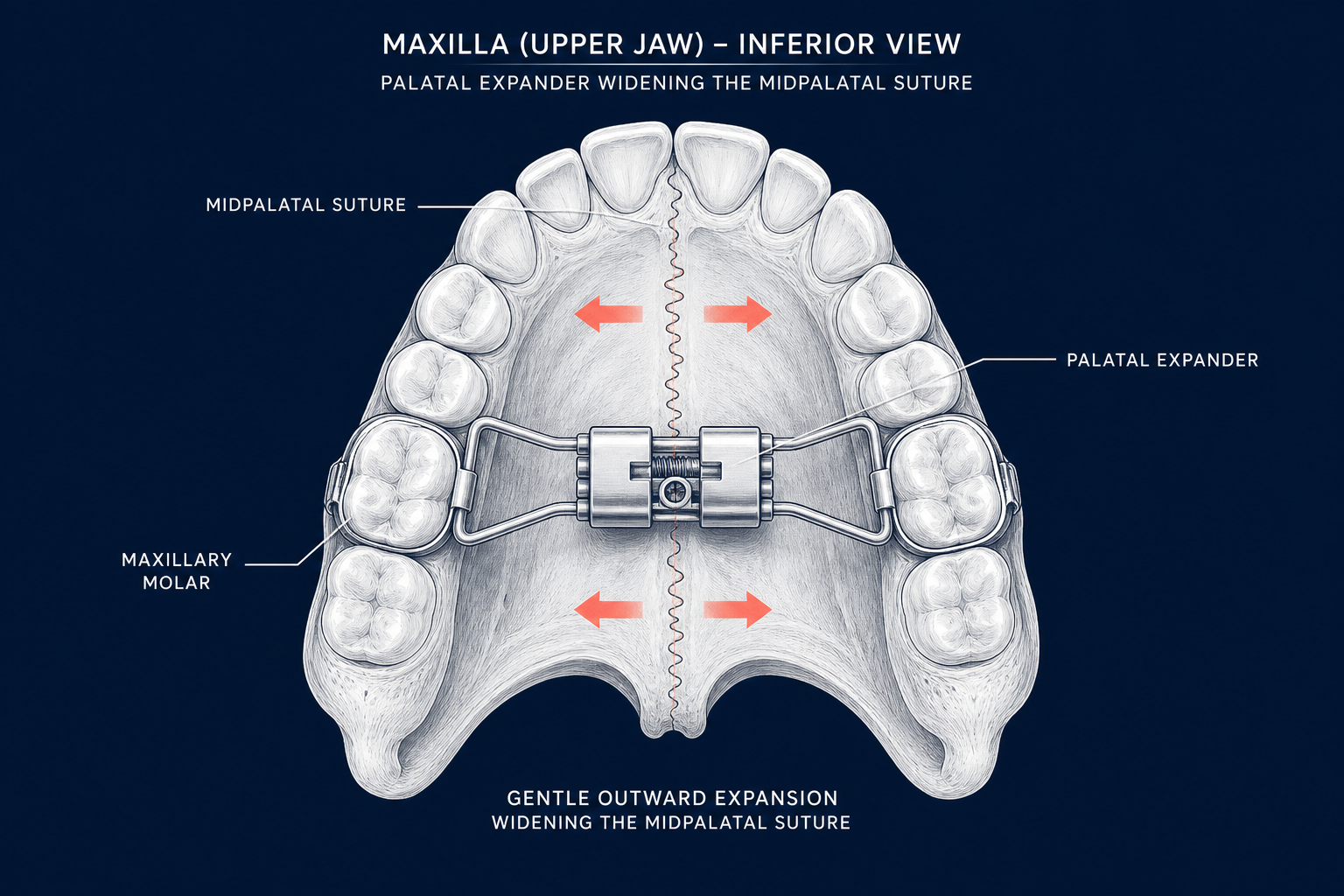
This treatment generally follows two distinct phases. During the active phase, you or your orthodontist activate a central screw to gradually increase the width of the appliance. Once the target width is achieved, the device enters a retention phase, remaining in place for several months to allow the newly formed bone to calcify and stabilize.
Essential Types of Palatal Expanders
Your orthodontist will recommend a specific appliance based on your age, the degree of expansion required, and your lifestyle needs.
Rapid Palatal Expander (RPE)
The RPE is a fixed appliance designed for significant widening. It is typically anchored to the upper molars using metal bands or dental bonding material.
- Hyrax Expander: This is a tooth-borne RPE featuring a minimalist metal framework and a central screw. Its open design makes it much easier to maintain oral hygiene compared to older models.
- Haas Expander: This version incorporates an acrylic plate that rests against the palate. Some clinicians prefer this for broader force distribution, though it requires more diligent cleaning to prevent food particles from becoming trapped.
Removable Palatal Expanders
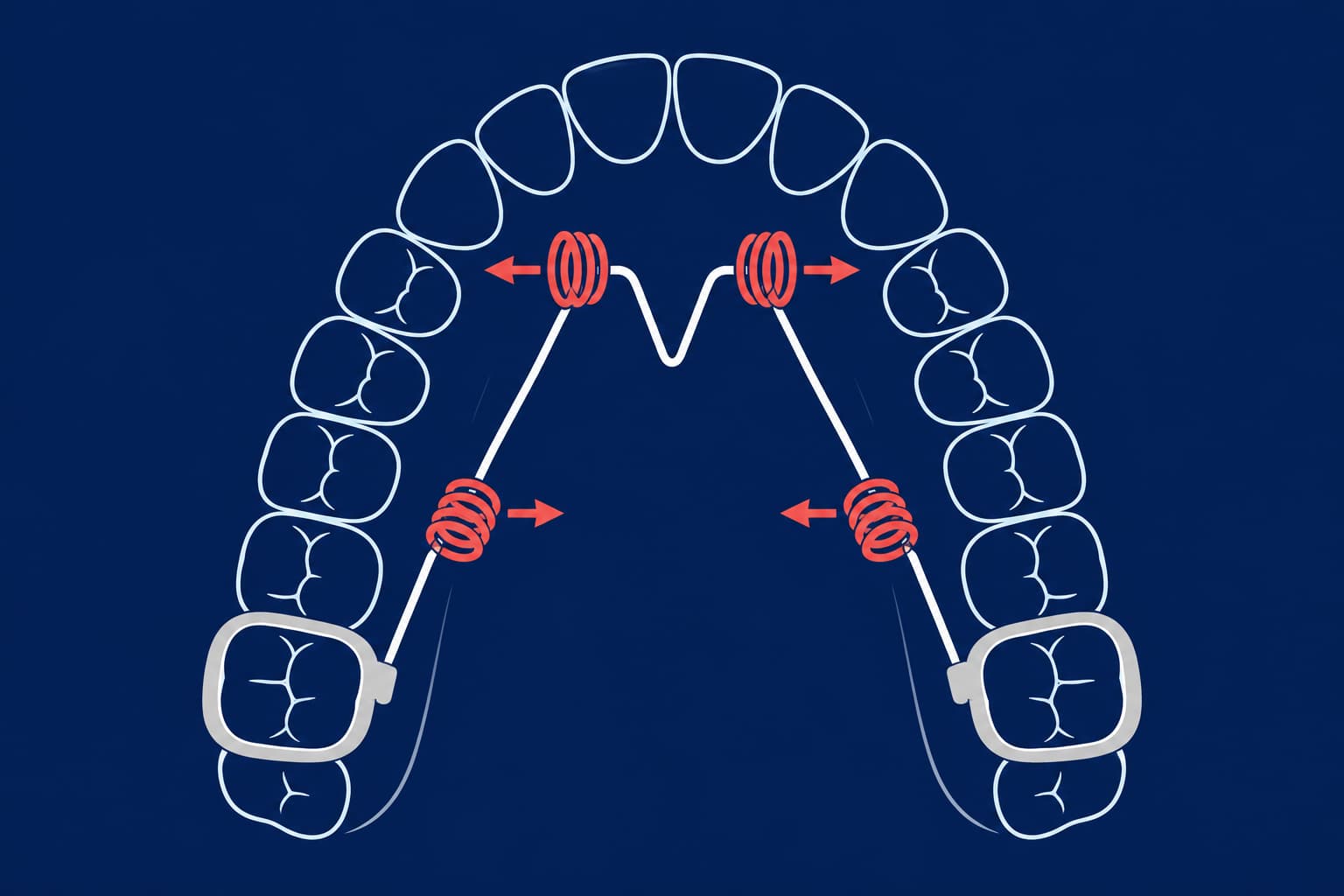
Designed for minor jaw-widening needs, these devices resemble a standard retainer but include an expansion screw. While they offer the convenience of being removable for eating and brushing, their success depends entirely on your compliance. If you do not wear the appliance for the prescribed 22 hours per day, the jaw will not widen, and the device will quickly stop fitting.
Miniscrew-Assisted Rapid Palatal Expansion (MARPE)
As you reach late adolescence or adulthood, the palatal suture fuses, making traditional tooth-borne expanders less effective. MARPE offers a novel solution by using tiny temporary anchors to apply force directly to the palatal bone rather than the teeth. This approach allows adults to achieve skeletal expansion that previously required surgical intervention.
Removable Staged Expanders
Newer systems, such as the Invisalign Palatal Expander, utilize a series of staged, removable shells. Instead of turning a manual screw, you switch to a slightly wider appliance every few days. This provides a gradual, incremental expansion that many younger patients find more comfortable and less disruptive to their daily routines.
The Digital Edge in Orthodontic Manufacturing
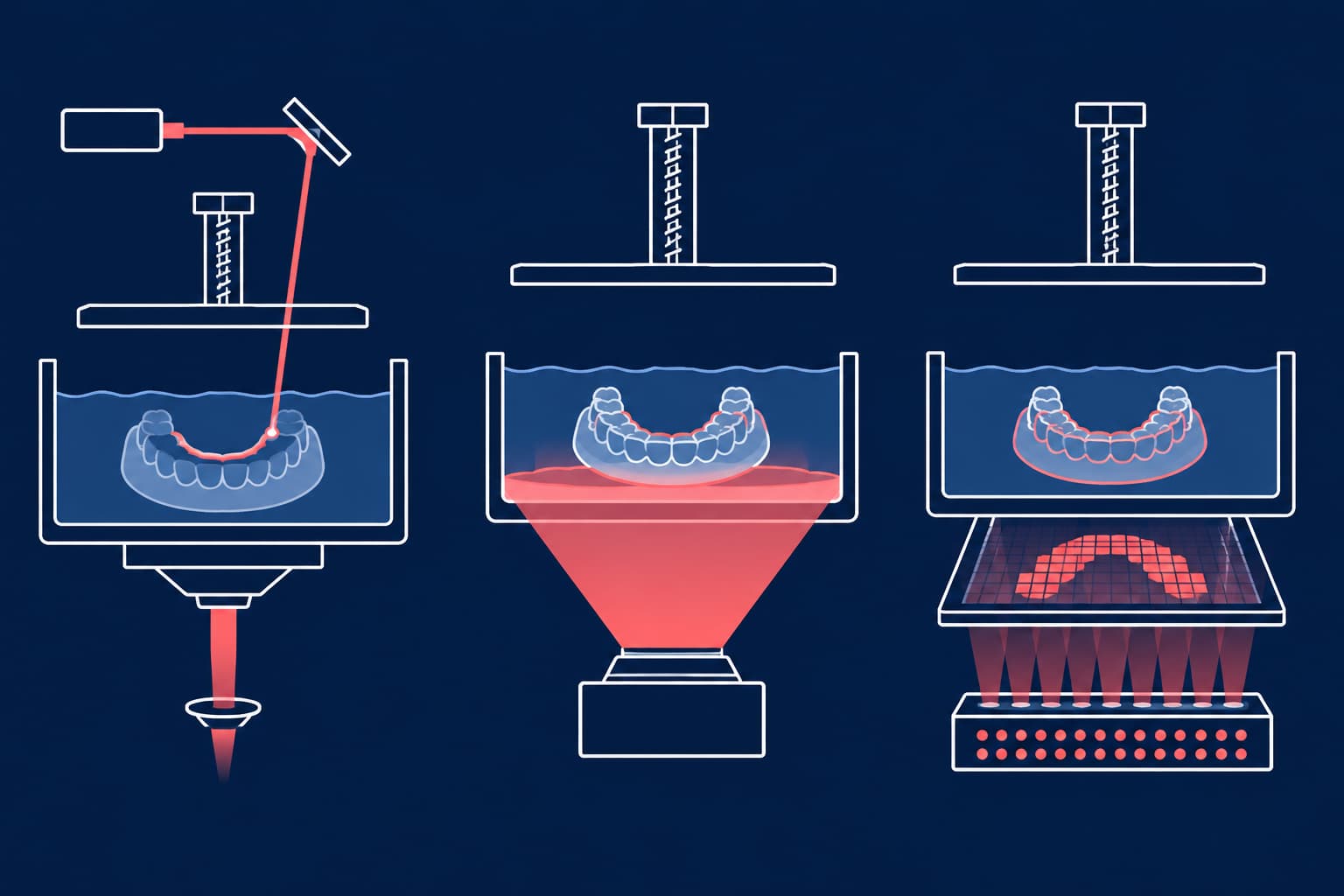
The 3D printing revolution in orthodontics has transformed the patient experience from the very first appointment. Modern clinics have largely abandoned uncomfortable putty molds in favor of high-resolution intraoral scanners. These scanners create a precise digital map of your mouth, ensuring the appliance fits perfectly against your unique anatomy.
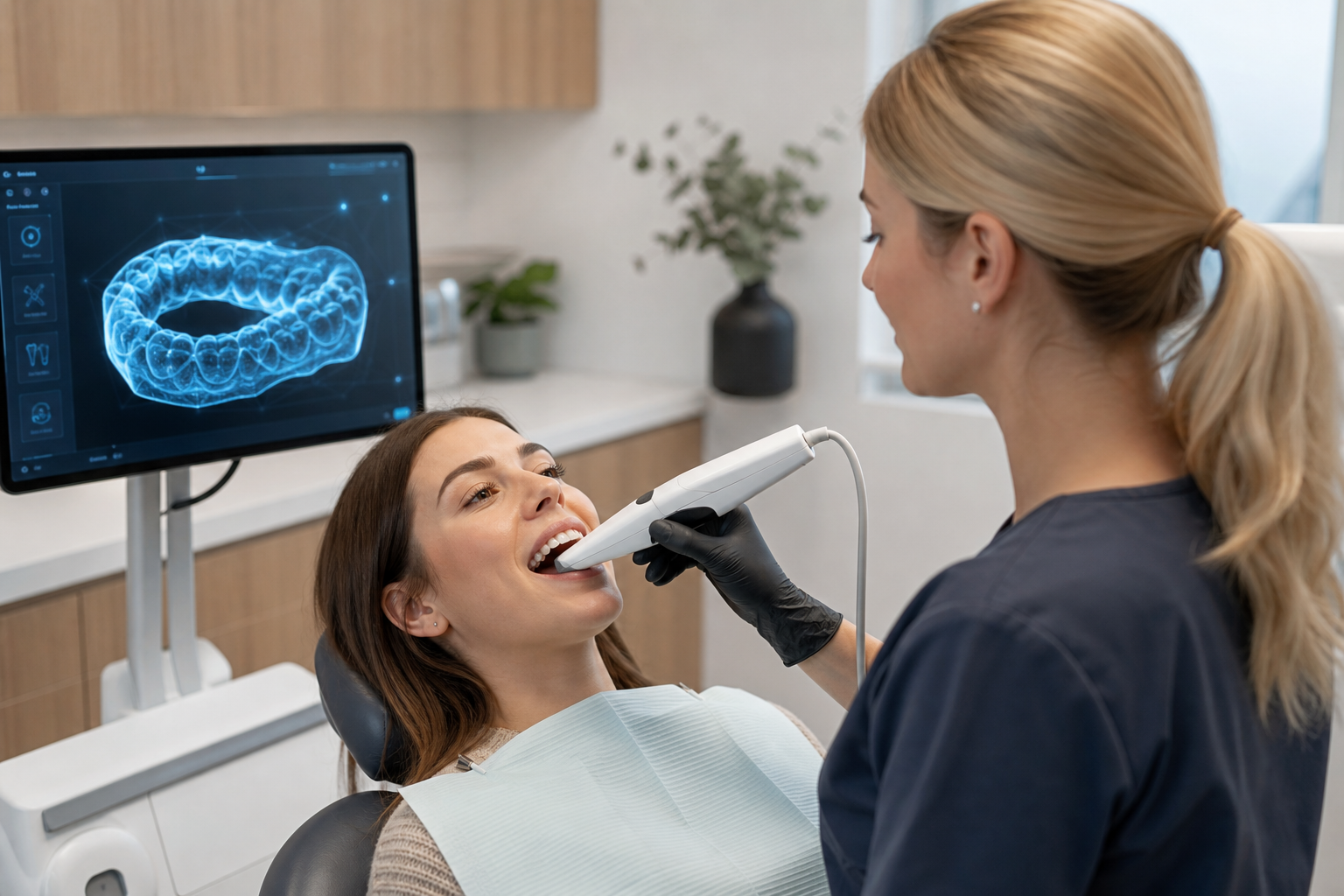
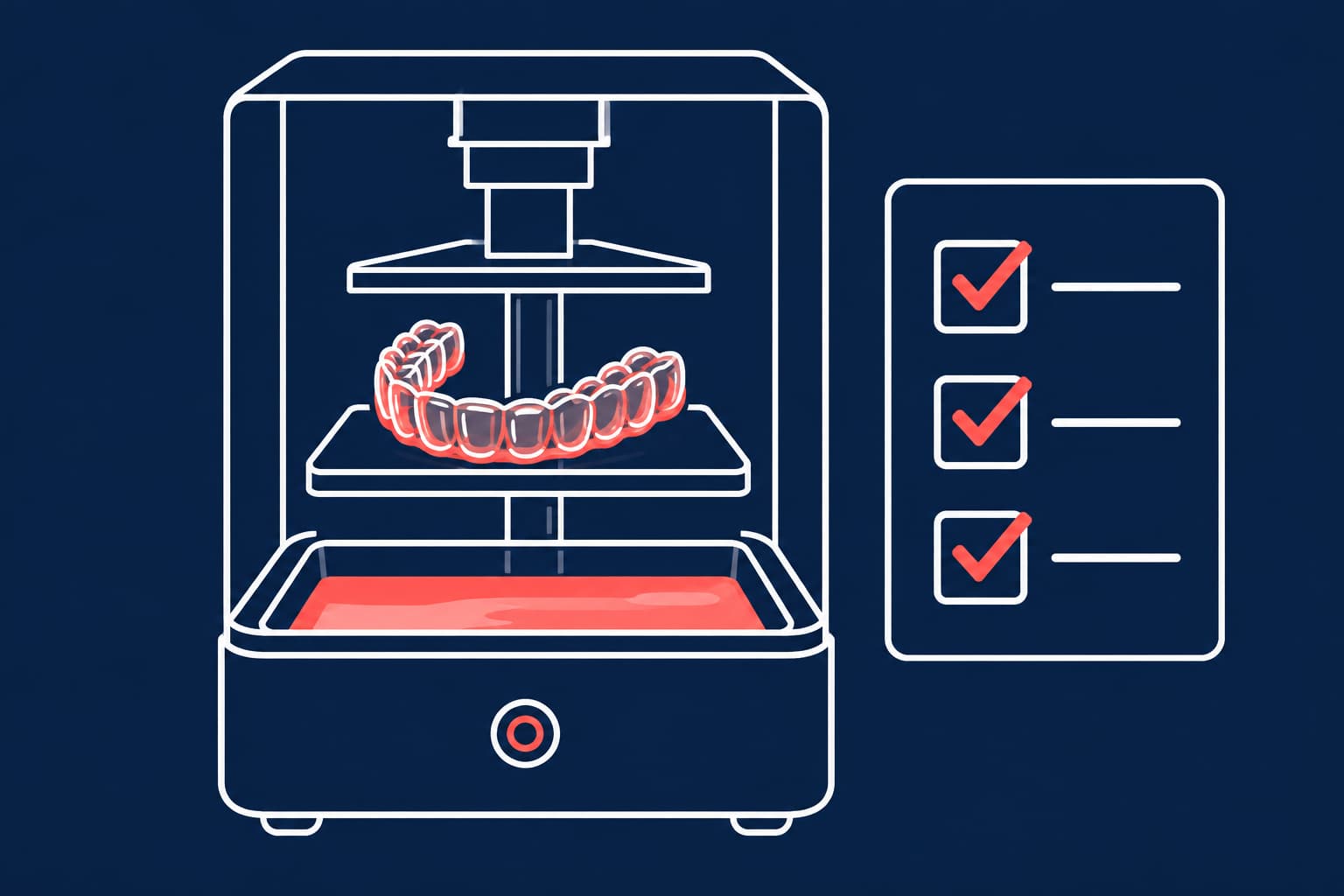
At Nordicdens, these digital files are used to design appliances in specialized CAD software. This process allows for the creation of direct 3D-printed orthodontic appliances that offer superior accuracy and smoother finishes. By eliminating the manual steps of traditional lab work, digital manufacturing reduces the risk of the appliance poking or irritating your cheeks, leading to a more seamless treatment experience.
Navigating the Treatment Experience
It is important to steelman the reality of palatal expansion: it requires a period of adjustment. While the device is designed for maximum efficiency, you should anticipate a few temporary changes during the first two weeks of treatment.
- Speech Adaptation: You may experience a slight lisp as your tongue learns to navigate around the appliance. Most patients adapt and return to normal speech patterns within a few days.
- Sensations of Pressure: Immediately after a screw turn, you might feel a mild pressure across the bridge of your nose or in your cheekbones. This sensation is short-lived and indicates the device is working.
- The Midline Gap: A temporary gap, known as a diastema, often opens between your two front teeth during active expansion. This is a positive clinical sign that the jawbones are separating as intended. This gap is usually corrected easily during the subsequent braces or aligner phase of your treatment.
Establishing a Strong Foundation
Whether you are seeking treatment for a growing child or exploring adult expansion through MARPE, the goal remains the same: a healthy, functional bite and a broader smile. Choosing an appliance manufactured through digital workflows ensures that your treatment is built on precision and comfort.
Before beginning your journey, ask your orthodontist if they utilize digital lab services. A custom-fitted, 3D-printed expander can significantly streamline your path to a straighter smile. Contact your local clinic today to discuss which modern expansion option is right for you.