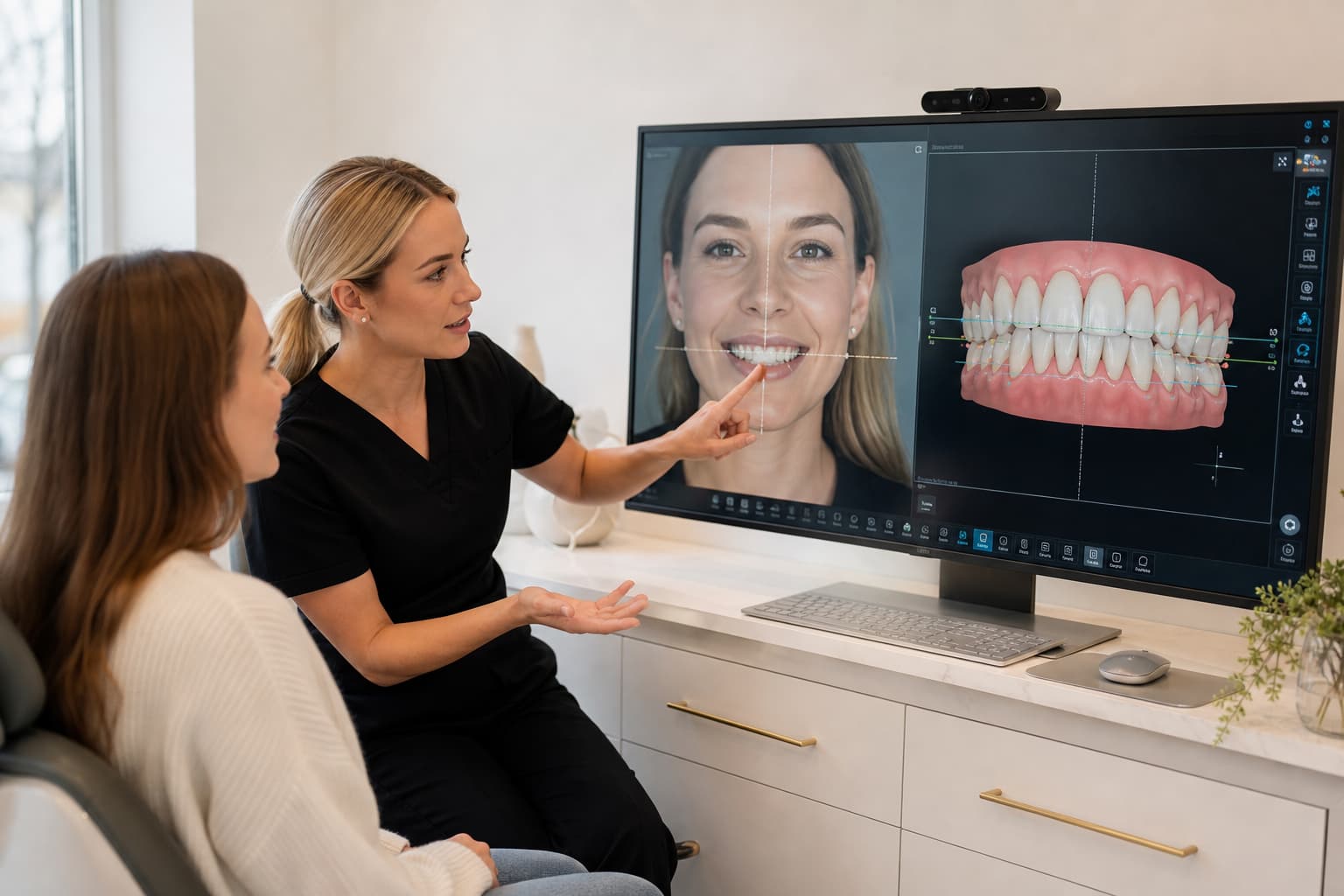
Digital Smile Design (DSD) serves as the conceptual architect for modern orthodontic treatment, shifting the clinical focus from isolated tooth movement to a holistic, facially driven strategy. By integrating facial photography with 3D intraoral scans, you create a digital blueprint that aligns dental movements with a patient’s unique facial proportions before the first bracket or aligner is placed. This protocol acts as a systematic bridge between aesthetic goals and functional requirements, ensuring that the final occlusion supports a smile in harmony with the lips, mid-face, and overall facial dynamics.
The Technical Synergy of DSD and Orthodontics
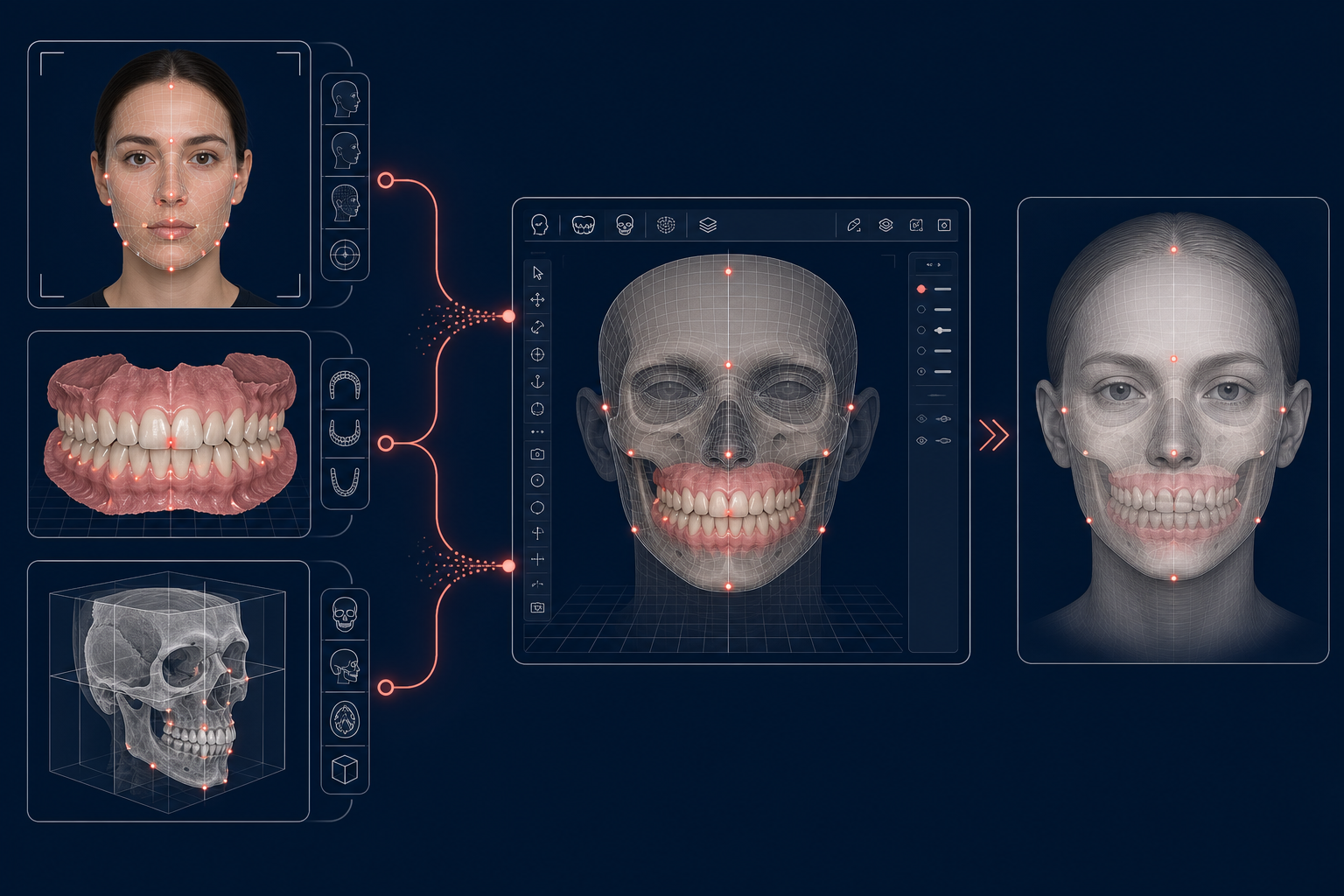
The integration of DSD into the digital orthodontic workflow relies on the convergence of three distinct data types. To construct a "digital patient" that accurately represents both hard and soft tissue, you must combine the following elements:
- High-Resolution 2D Photography and Video: Standardized extraoral and intraoral captures record the "dynamic smile frame," which illustrates how soft tissues move during speech and expressive smiling.
- 3D Surface Data: Captured via an intraoral scanner, these files provide the micron-level detail of the dentition and gingiva. Proficiency in managing STL files in orthodontics is critical here to ensure the mesh is watertight and error-free for subsequent production steps.
- 3D Volumetric Data: In complex or interdisciplinary cases, CBCT scans provide the underlying bone and root structure, allowing for a "root-to-crown" analysis.
When you superimpose these datasets within orthodontic CAD software, you can visualize planned tooth movements within the context of the patient's face. This allows for a novel level of precision where the ideal tooth position is dictated by facial harmony rather than just cephalometric averages.
Improving Predictability and Communication
One of the primary hurdles in modern orthodontics is the "expectation gap" – the discrepancy between your clinical vision and the patient's anticipated outcome. DSD serves as a powerful visualization tool to close this gap by providing a tangible preview of the results.
Enhanced Diagnostic Precision
Traditional treatment planning often relies on static models which may fail to account for dynamic facial movements. DSD introduces a dynamic analysis of the smile, allowing you to see how tooth positions affect lip support and facial aesthetics in real-time simulations. By identifying dentofacially integrated issues that might be overlooked on a standard plaster model, you can develop a more effective diagnosis and a more comprehensive treatment plan from the initial consultation.
Interdisciplinary Coordination
For complex cases involving orthodontics, periodontics, and restorative dentistry, DSD acts as a worldwide language for the dental team. It provides a unified digital project that every specialist can follow. Whether you are planning the clear aligner fabrication process or preparing for post-orthodontic veneers, the DSD blueprint ensures that all interventions are working toward the same aesthetic and functional goal. This standardized communication protocol reduces processing times and increases the predictability of results in multidisciplinary projects.
Addressing the Digital-Reality Gap
A common objection to the adoption of Digital Smile Design is the perceived "digital-reality gap." You might argue that a highly polished digital simulation cannot always perfectly match the biological reality of the final clinical outcome. This is a valid concern; biological responses to orthodontic force are not always as linear as a software algorithm suggests, and the enhanced digital image does not always account for individual healing variations.
To mitigate this, you should view DSD as a high-fidelity guide and a framework for CAD/CAM orthodontics rather than an absolute guarantee. Meticulous training and ideal case selection remain paramount. By using DSD as a tool to manage patient expectations and as a roadmap for appliance design, you reduce the frequency of mid-course corrections and improve the overall predictability of the case.
From Digital Blueprint to Physical Appliance
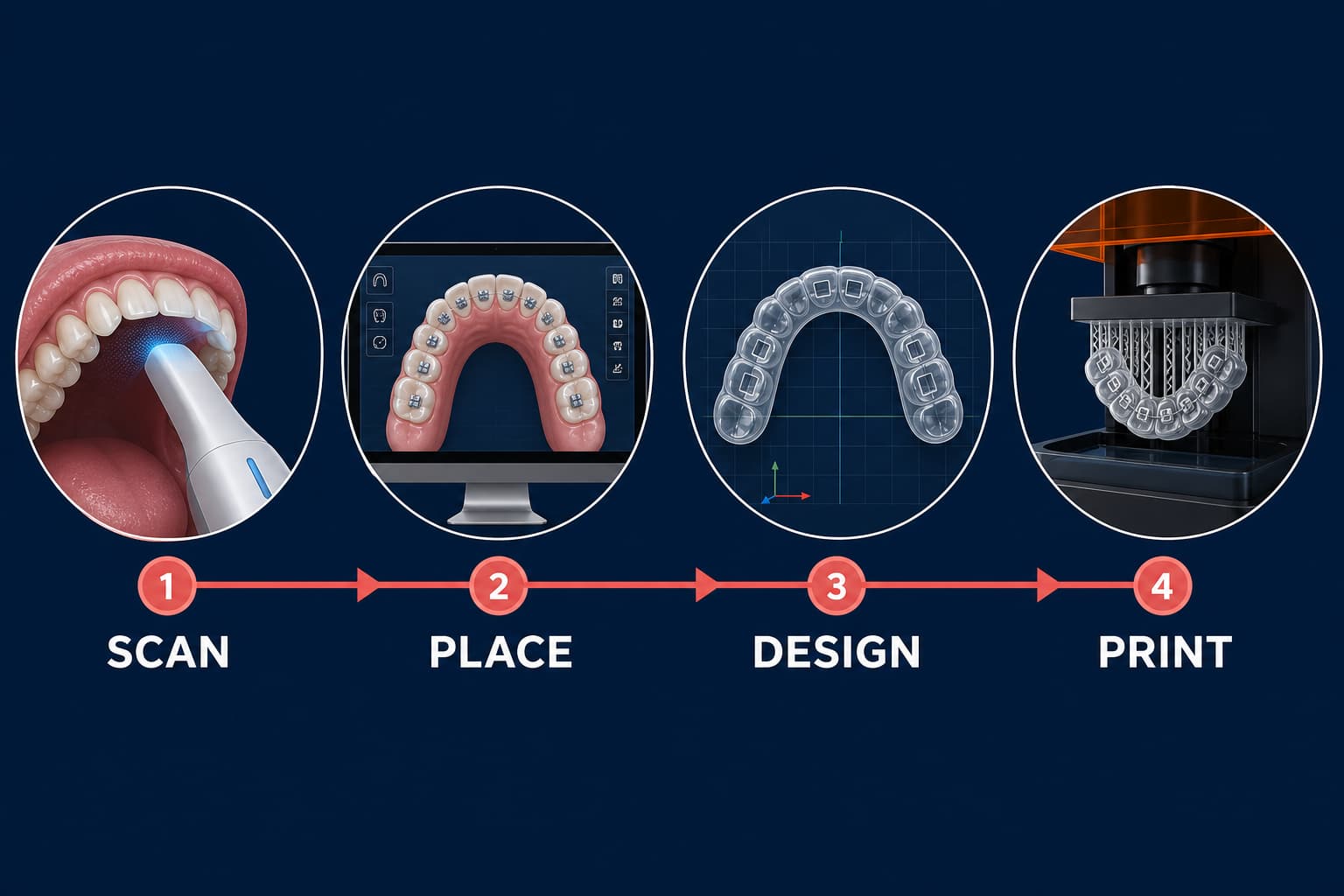
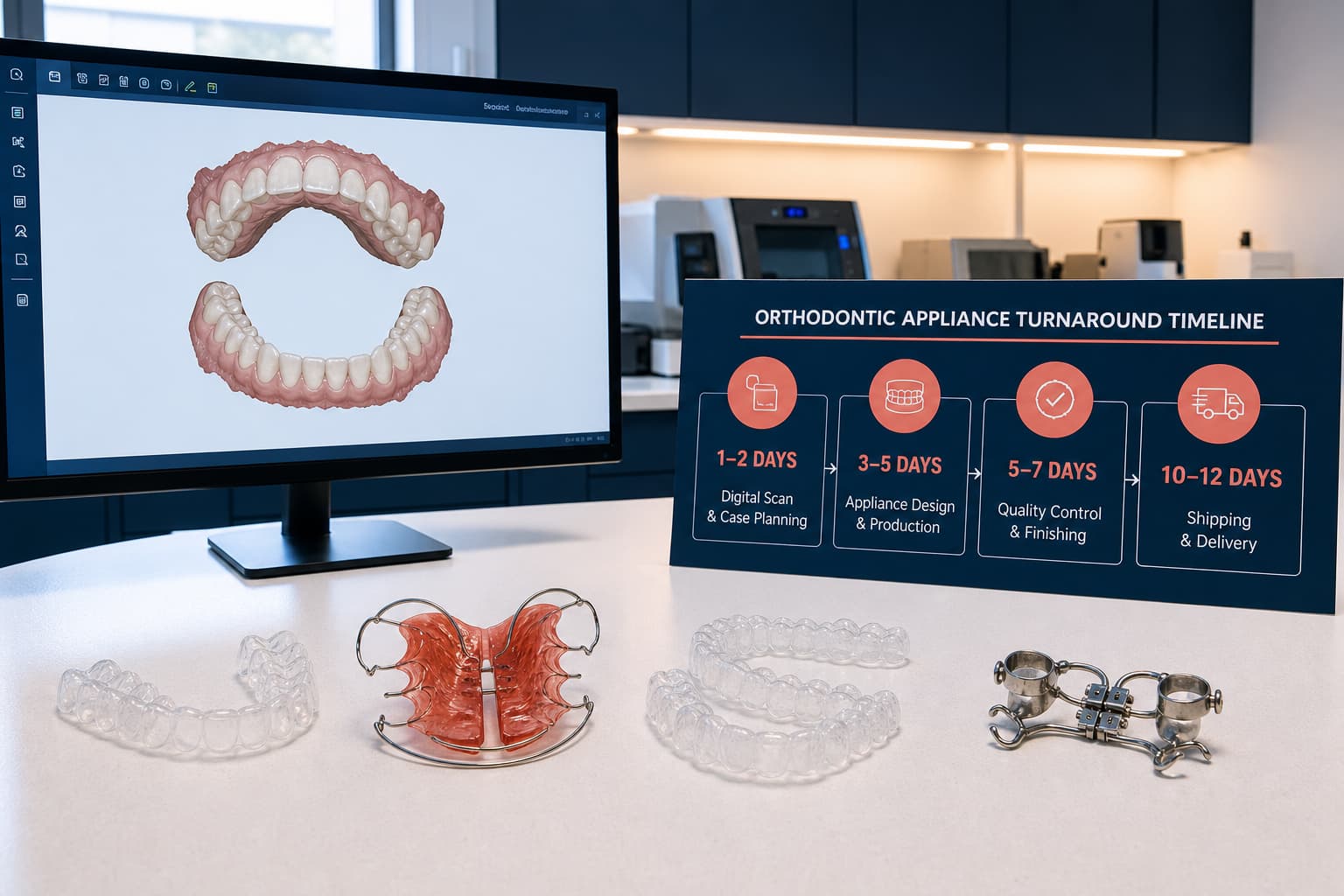
The transition from a virtual DSD plan to a physical appliance is where the efficiency of a modern laboratory becomes apparent. Once the facially driven setup is finalized in the CAD environment, the data is translated into physical form through precise additive manufacturing.
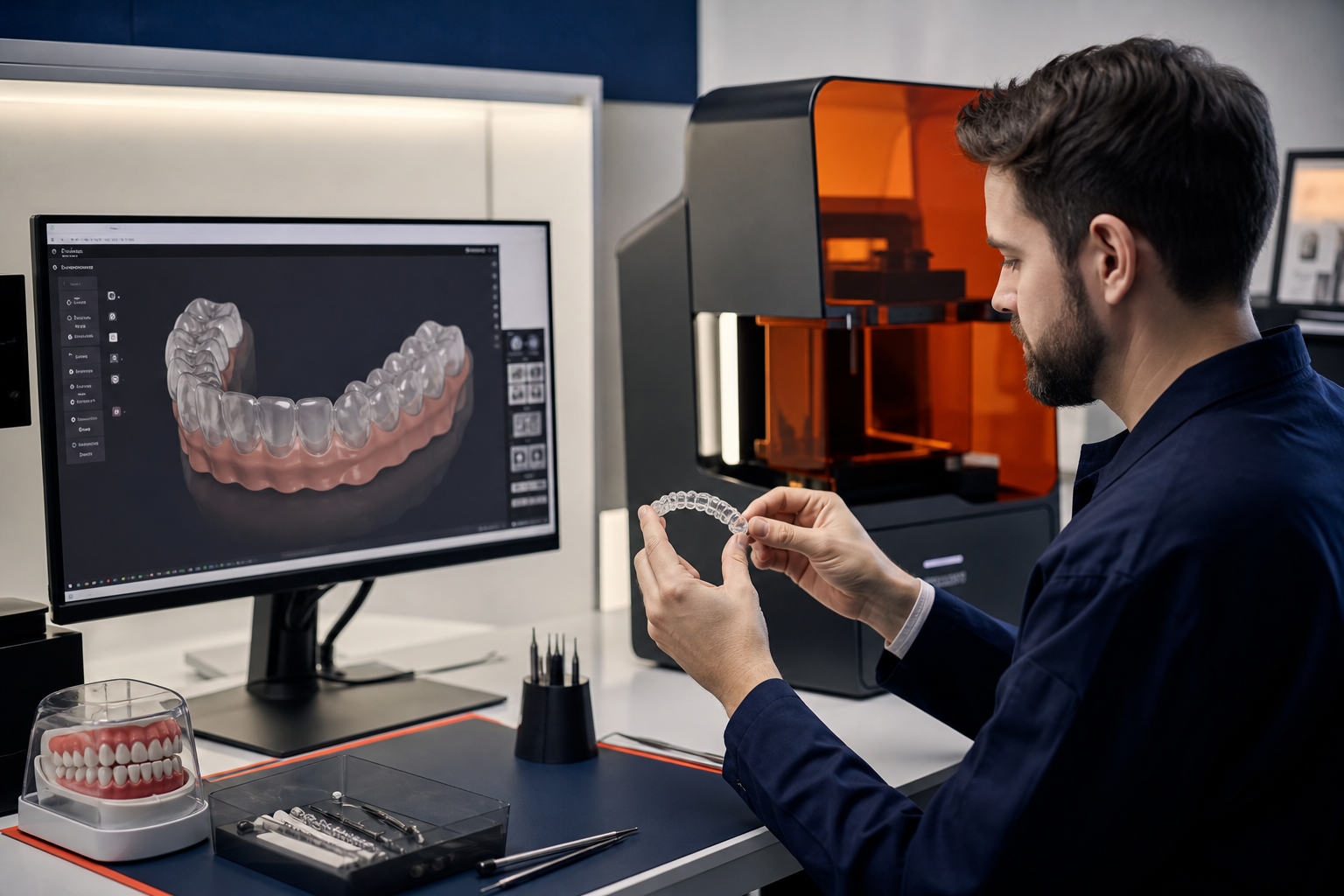
For many clinics, evaluating the benefits of digital impressions vs. physical impressions is the first step toward this high-precision future. The digital thread allows the DSD plan to guide the fabrication of 3D-printed models, direct-printed aligners, or customized fixed appliances with sub-millimeter accuracy.
The implementation of Digital Smile Design represents a move toward more transparent, predictable, and aesthetic orthodontic care. By prioritizing facial harmony and utilizing the precision of a fully digital workflow, you can deliver results that are both functionally sound and aesthetically optimized.
If you are looking to elevate your practice’s precision through digital manufacturing, explore how our laboratory supports clinics in transitioning from digital designs to high-fidelity, 3D-printed appliances.