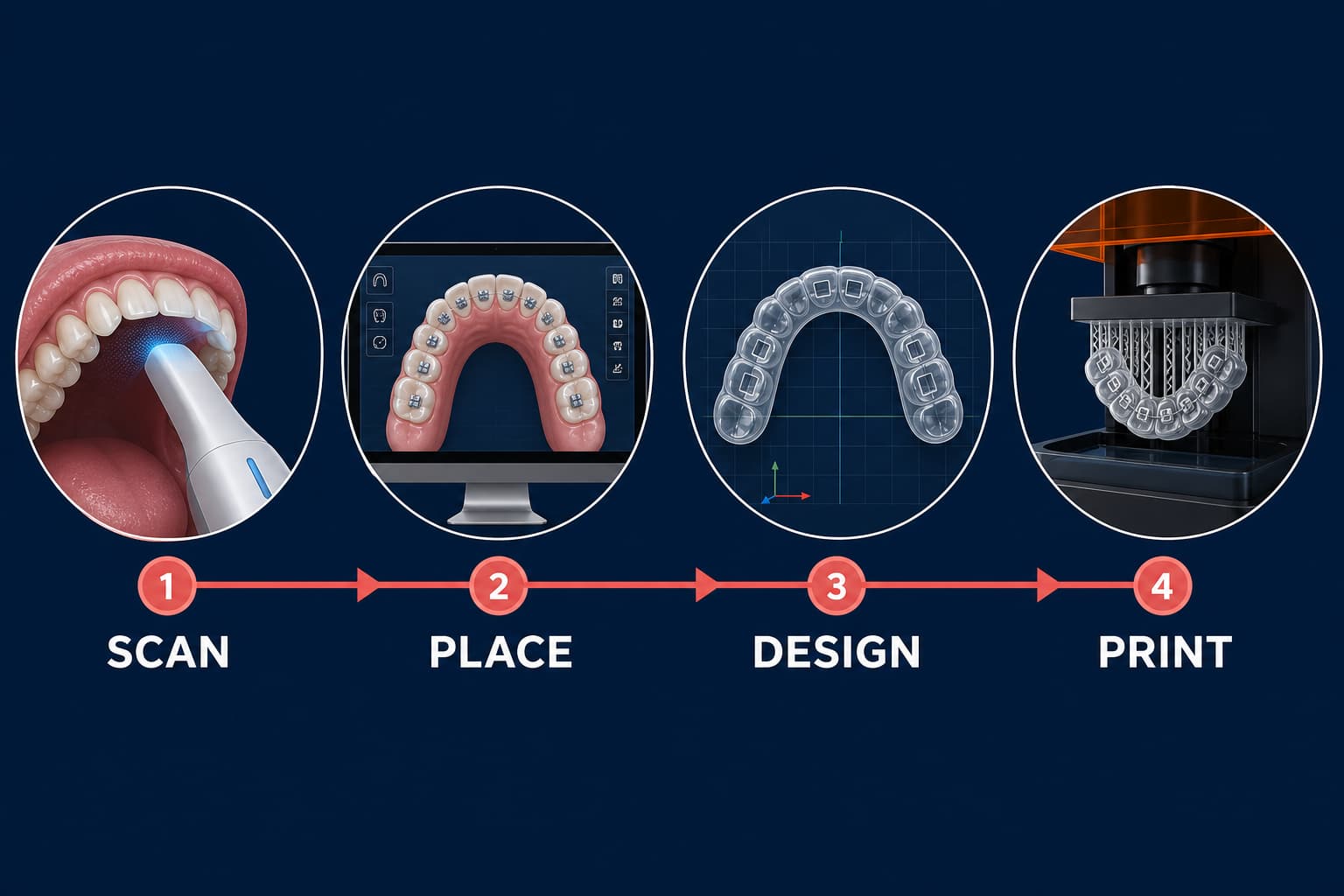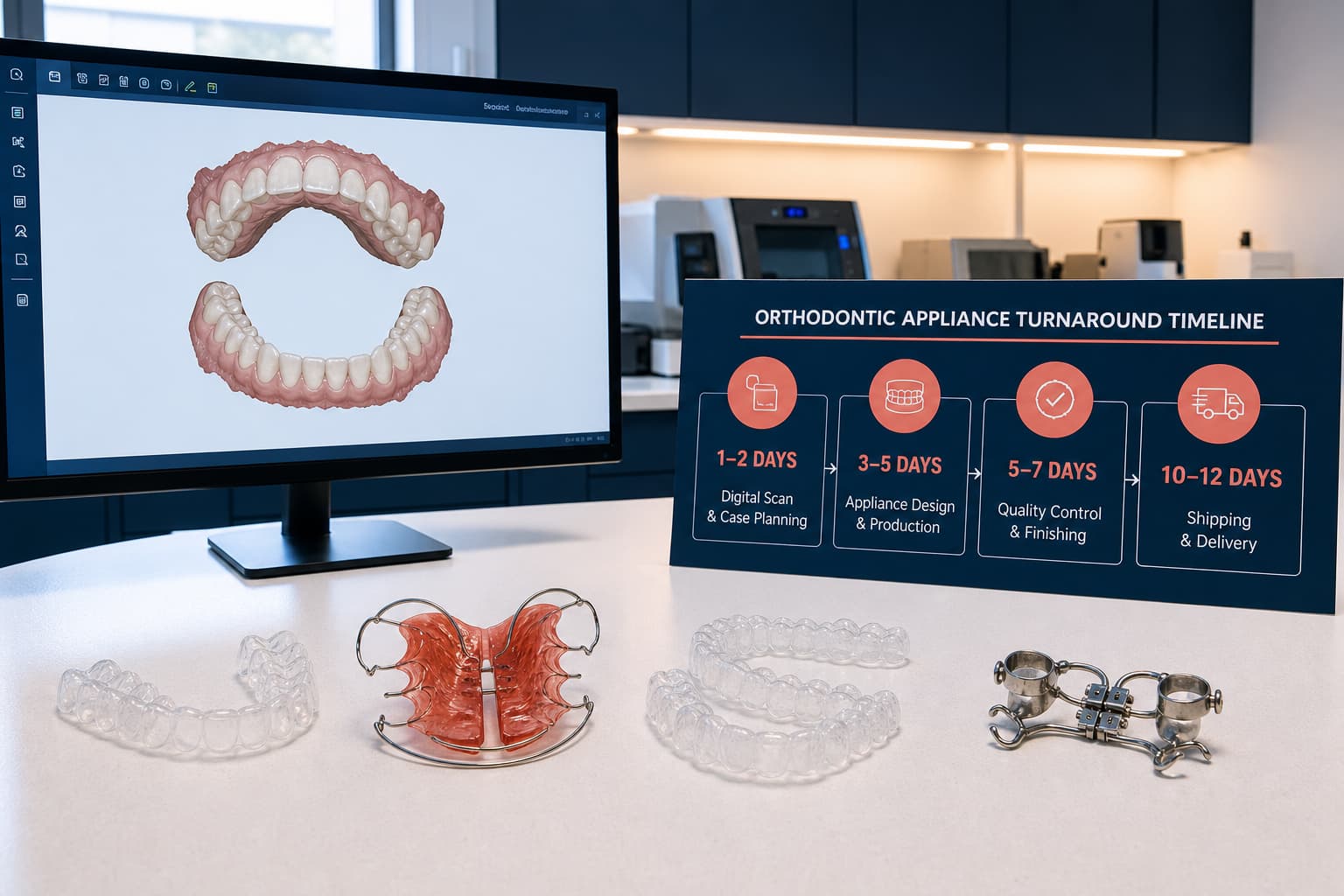
The choice between Stereolithography (SLA) and Digital Light Processing (DLP) in a modern orthodontic practice hinges on a specific trade-off between production throughput and surface refinement. If your clinical workflow demands the rapid fabrication of vertical models for clear aligners, DLP is the superior choice for high-volume speed. Conversely, if you prioritize fine surface detail and lower material consumption for diagnostic presentations, SLA remains a highly effective contender.
Both technologies now reliably achieve the orthodontic 3D printer accuracy benchmark of ±0.25 mm. Consequently, the optimal selection depends more on your specific digital workflow from scan to appliance and daily volume than on a significant disparity in clinical quality.
Optical Engines and Technical Mechanics
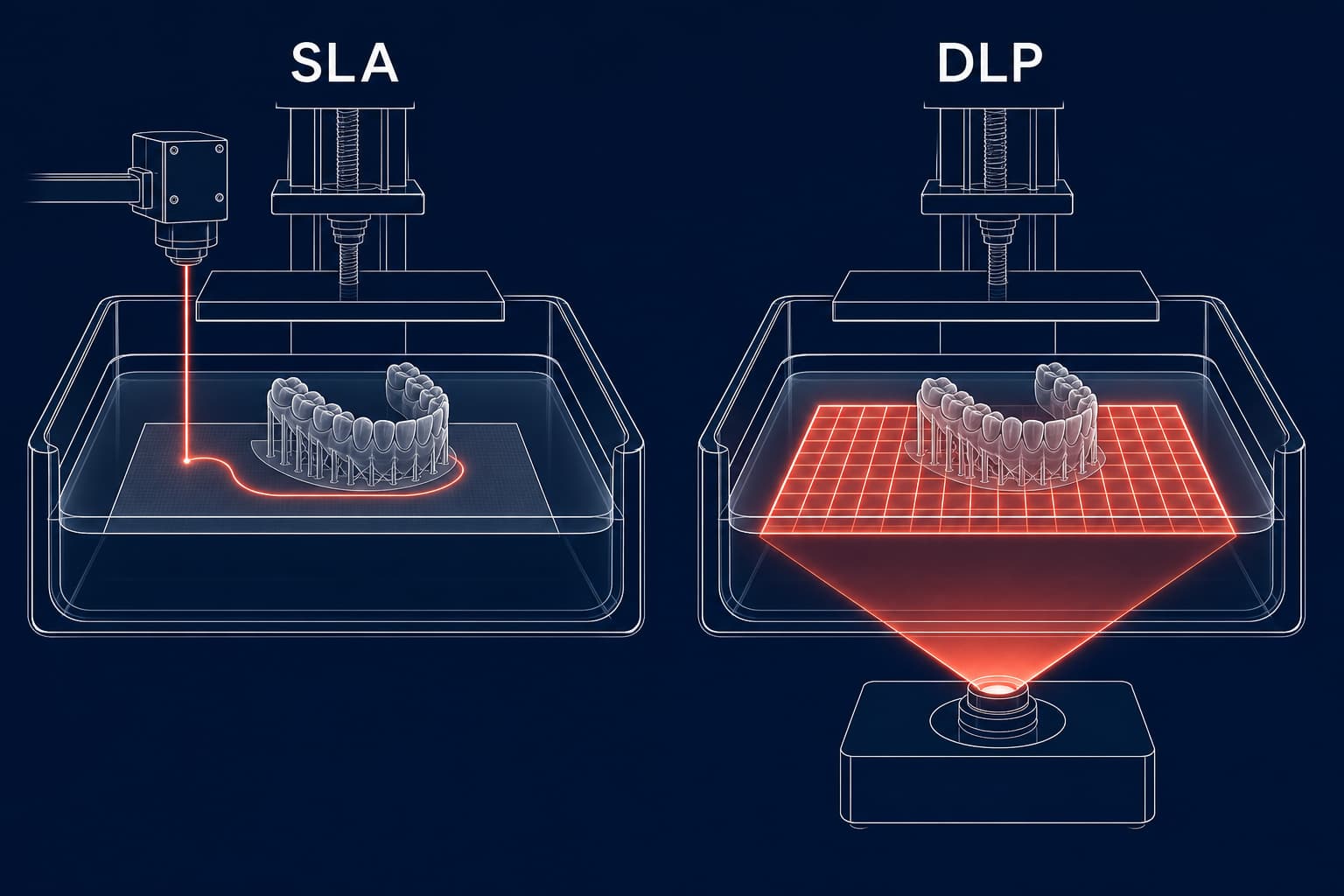
While SLA and DLP both utilize UV light to cure liquid photopolymer resin layer by layer, they utilize fundamentally different optical engines to achieve polymerization.
- SLA (Stereolithography): This method employs a high-precision laser to "draw" each layer. Because the laser must trace the entire surface area of every object individually, your total print time increases linearly as you add more models to the build plate.
- DLP (Digital Light Processing): This technology uses a projector screen to flash an entire layer of the build simultaneously. This parallel processing ensures that printing a full platform of ten models takes the same amount of time as printing a single unit, provided they share the same height.
In Scandinavian and Baltic clinics, a third variant known as MSLA (Masked SLA or LCD) has gained significant traction. It operates similarly to DLP but utilizes an LCD screen to mask a light source, providing a cost-effective entry point for practices seeking high-speed production without the industrial price tag of high-end projectors.
Accuracy Benchmarks and Clinical Trueness
Clinical success in contemporary orthodontics is governed by how accurately the physical product replicates the STL files in orthodontics generated during the planning phase. Peer-reviewed research confirms that both SLA and DLP produce models within the 100–500 μm error range, which is well within the acceptable threshold for orthodontic appliances.
DLP often demonstrates higher precision and repeatability because the pixel-based projection remains inherently consistent across the entire build platform. Some practitioners argue that SLA offers superior trueness – matching the original digital file more closely – because a laser can trace smooth, organic tooth anatomy without the "stair-stepping" effect sometimes caused by square pixels. However, for the clear aligner fabrication process, these technical differences are often clinically negligible. The most critical factor is using a validated workflow where the resin, printer settings, and post-curing units are precisely calibrated.
Speed, Throughput, and Workflow Efficiency
In a busy orthodontic environment, time represents your most significant overhead. Evaluating these technologies requires looking at how they impact the total manufacturing cycle.
- The DLP Advantage: Because it cures entire layers at once, DLP is the undisputed champion for high-volume tasks. A batch of aligner models that requires four hours on a standard SLA printer can often be completed in under 60 minutes on a high-end DLP system.
- The SLA Advantage: SLA systems are frequently lauded for their "set it and forget it" reliability and lower material waste. The targeted nature of the laser often results in less residual resin being trapped in complex geometries or hollowed models.
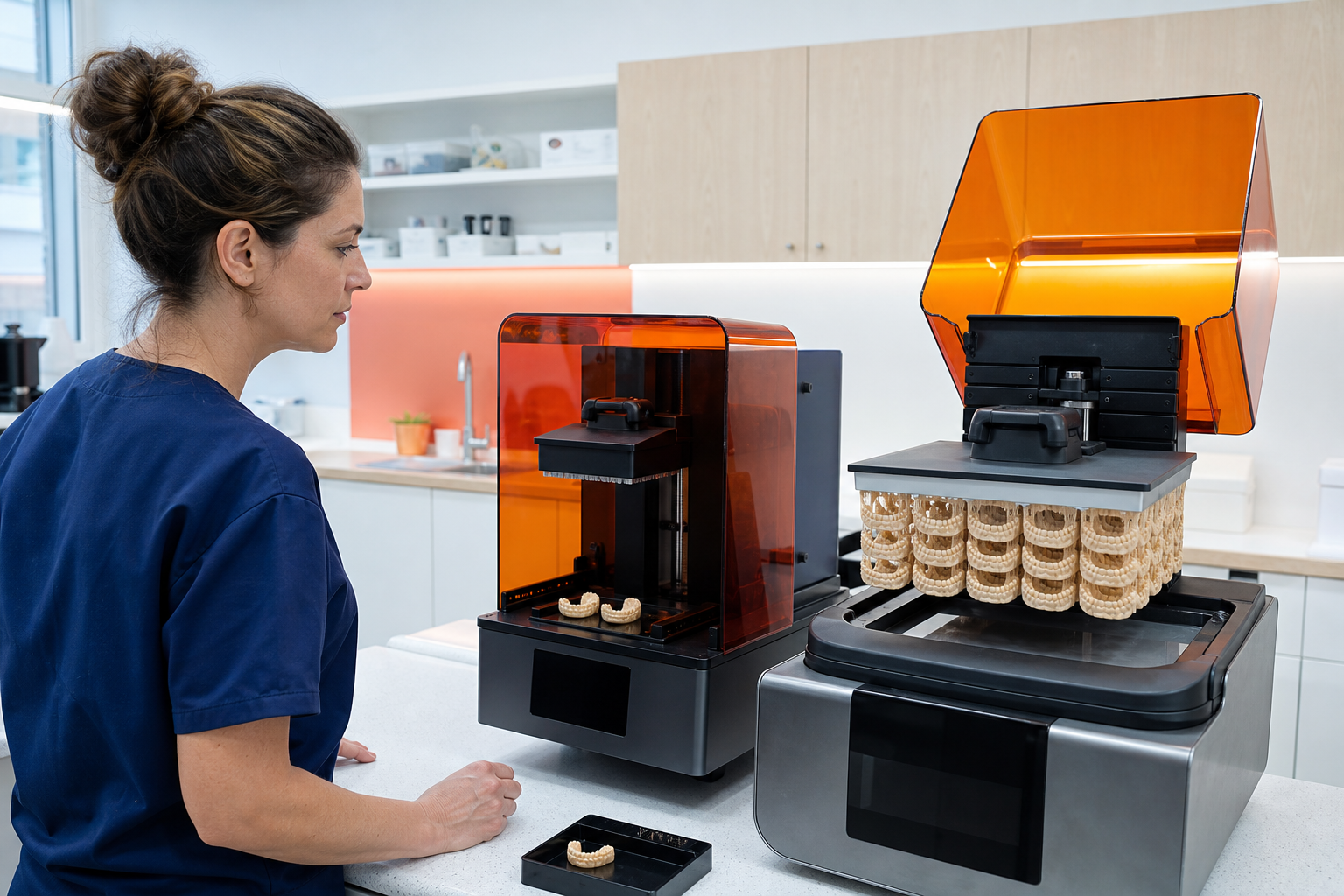
When calculating the total orthodontic 3D printer cost, you must weigh the higher initial capital expenditure of industrial DLP units against the substantial labor savings generated by faster turnaround times and higher daily throughput.
Surface Quality for Direct-Print Appliances
SLA has historically been the worldwide gold standard for surface finish. The laser produces smooth, organic curves that are ideal for diagnostic models or aesthetic case presentations. While older DLP models might have shown slight "voxeling" (pixel patterns) on the surface, modern high-resolution projectors have rendered these artifacts almost invisible to the naked eye.
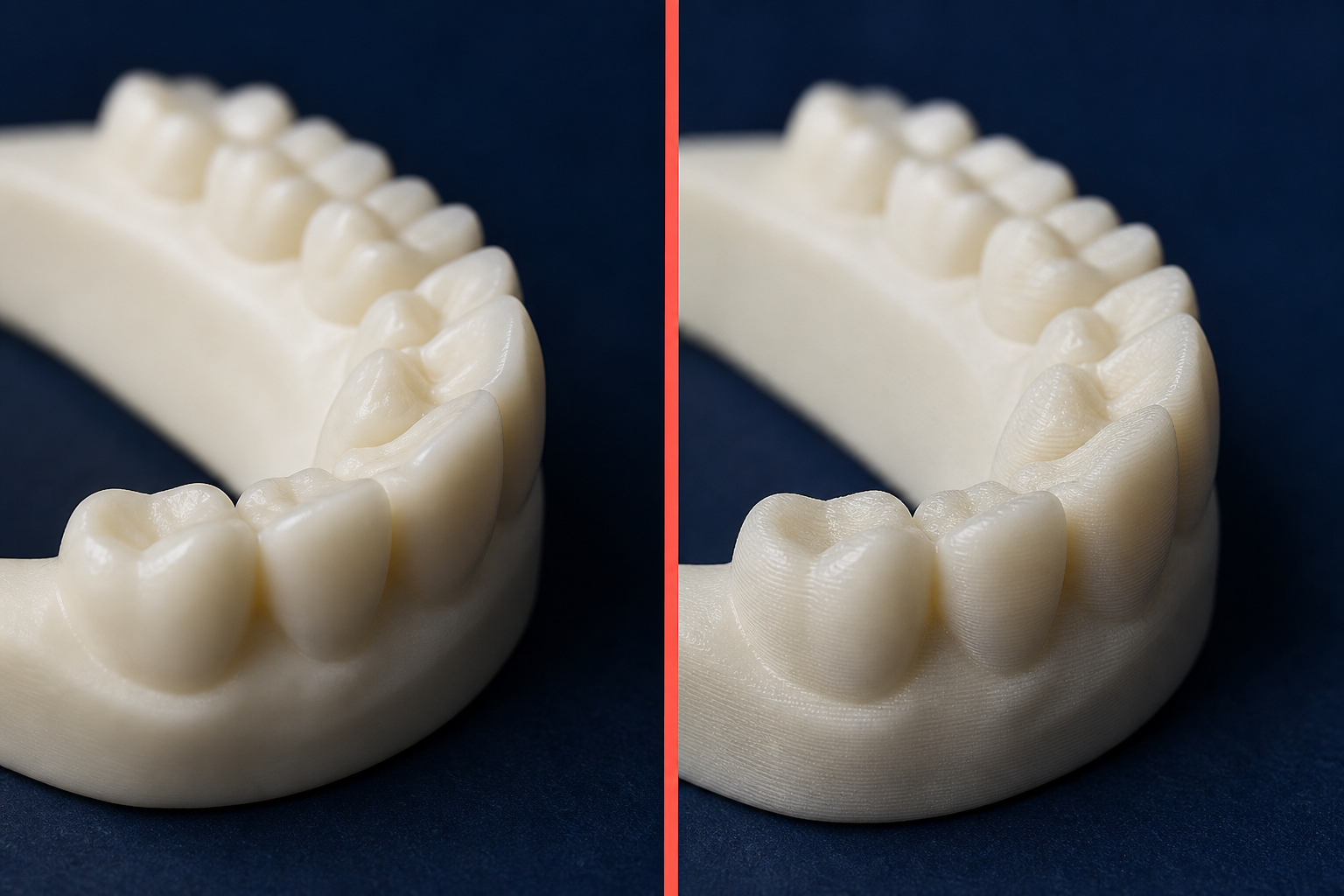
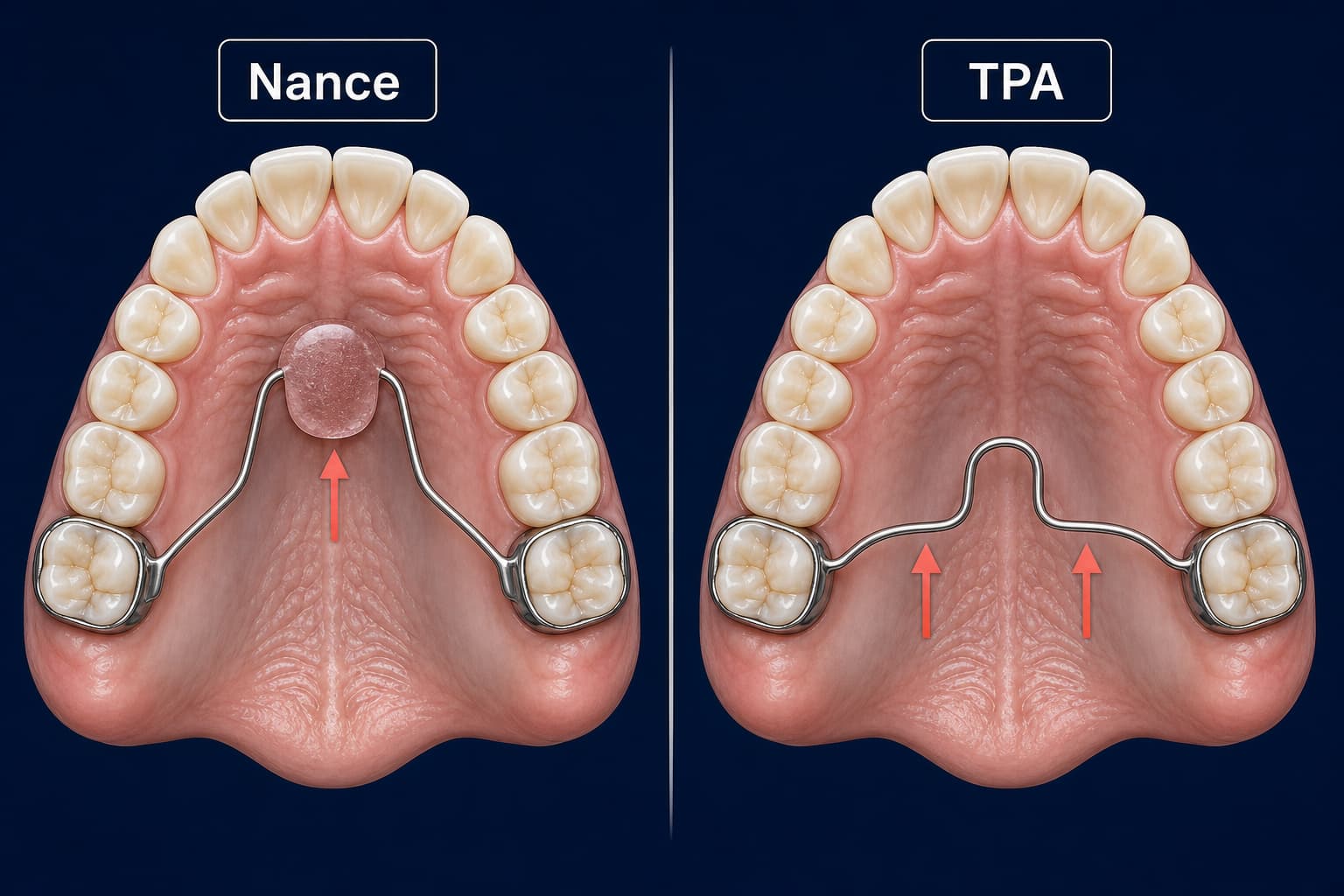
Surface quality is particularly vital for direct 3D printed orthodontic appliances, such as those using Graphy resin, where smoothness directly impacts patient comfort. Achieving this requires that your orthodontic CAD software and slicing parameters are perfectly optimized for the specific biocompatible resins being used in the printer.
Selecting the Optimal Technology for Your Clinic
Your decision should be dictated by your production volume and the diversity of appliances you intend to manufacture.
- Invest in DLP if: Your practice is focused on high-volume clear aligner production or you require same-day delivery of retainers and surgical guides. The speed and batch-processing capabilities provide a much faster return on investment in high-throughput environments.
- Invest in SLA if: You prioritize high-detail diagnostic models, maintain a lower daily production volume, or seek a system with lower material consumption per part.
The 3D printing revolution in orthodontics has reached a level of maturity where the debate is no longer about which technology is "better," but rather which one integrates most seamlessly into your chairside rhythm.
Managing a printer fleet, calibrating specialty resins, and maintaining strict dimensional tolerances can become a significant distraction from patient care. By partnering with a specialized laboratory like Nordicdens, you gain immediate access to industrial-grade DLP and SLA technology without the burden of hardware maintenance or technical troubleshooting.
Submit your STL files through our portal today to experience the precision of lab-validated 3D printing and elevate your clinic's production standards.