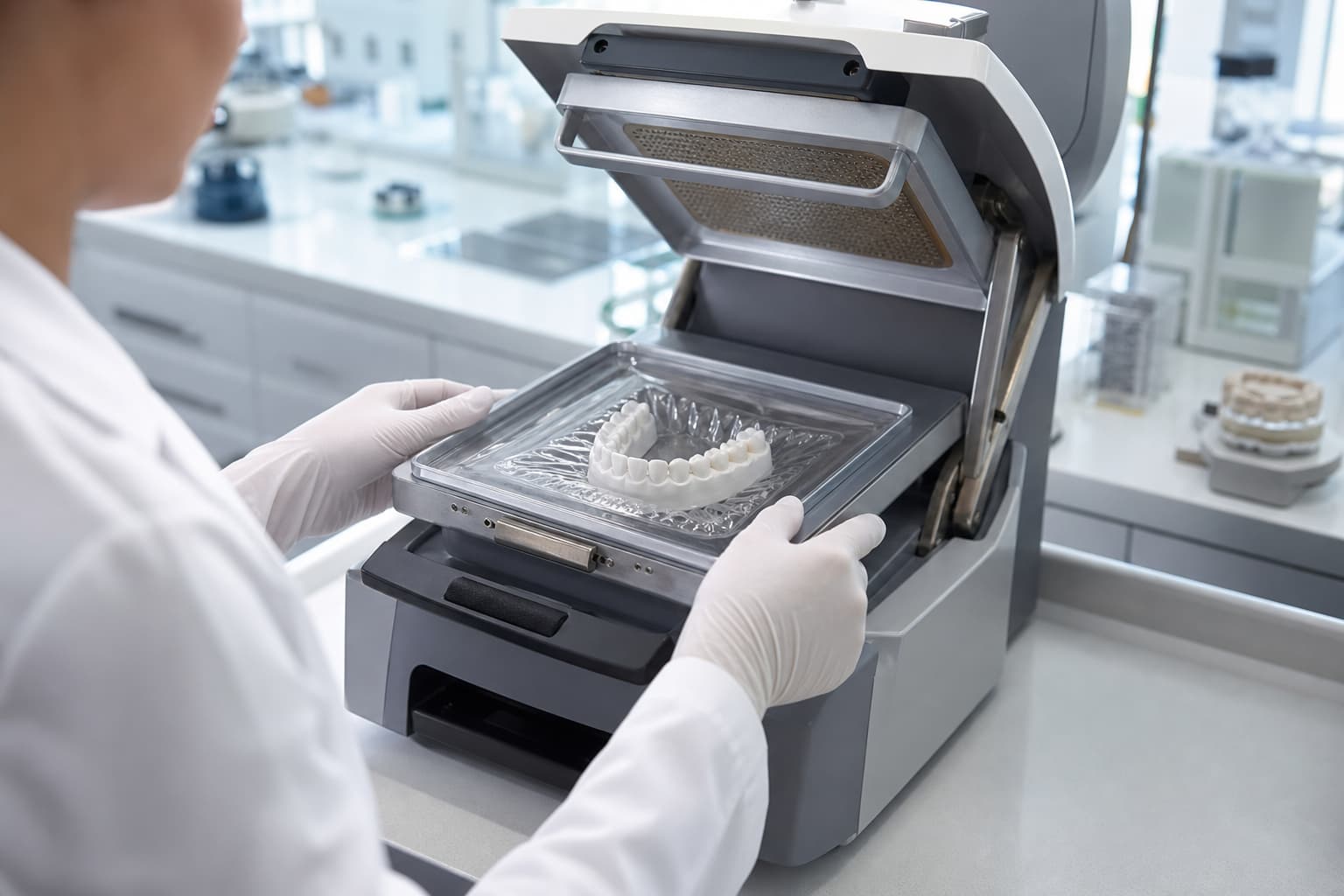
Positive-pressure machines are the professional laboratory standard for orthodontic appliance production, offering superior adaptation and force delivery compared to traditional vacuum-forming units. While vacuum systems remain cost-effective for simple bleaching trays, the precision required for modern clear aligners and complex retainers necessitates the uniform 4.0 to 6.0 bar pressure provided by high-end thermal forming units.
Choosing the right machine requires you to balance your weekly appliance volume against the technical requirements of modern thermoplastic materials. As clinics transition toward digital workflows from scan to appliance, your thermoforming hardware must interface seamlessly with 3D-printed models and high-resolution STL files to ensure clinical success.
Pressure vs. Vacuum: The Technical Divide
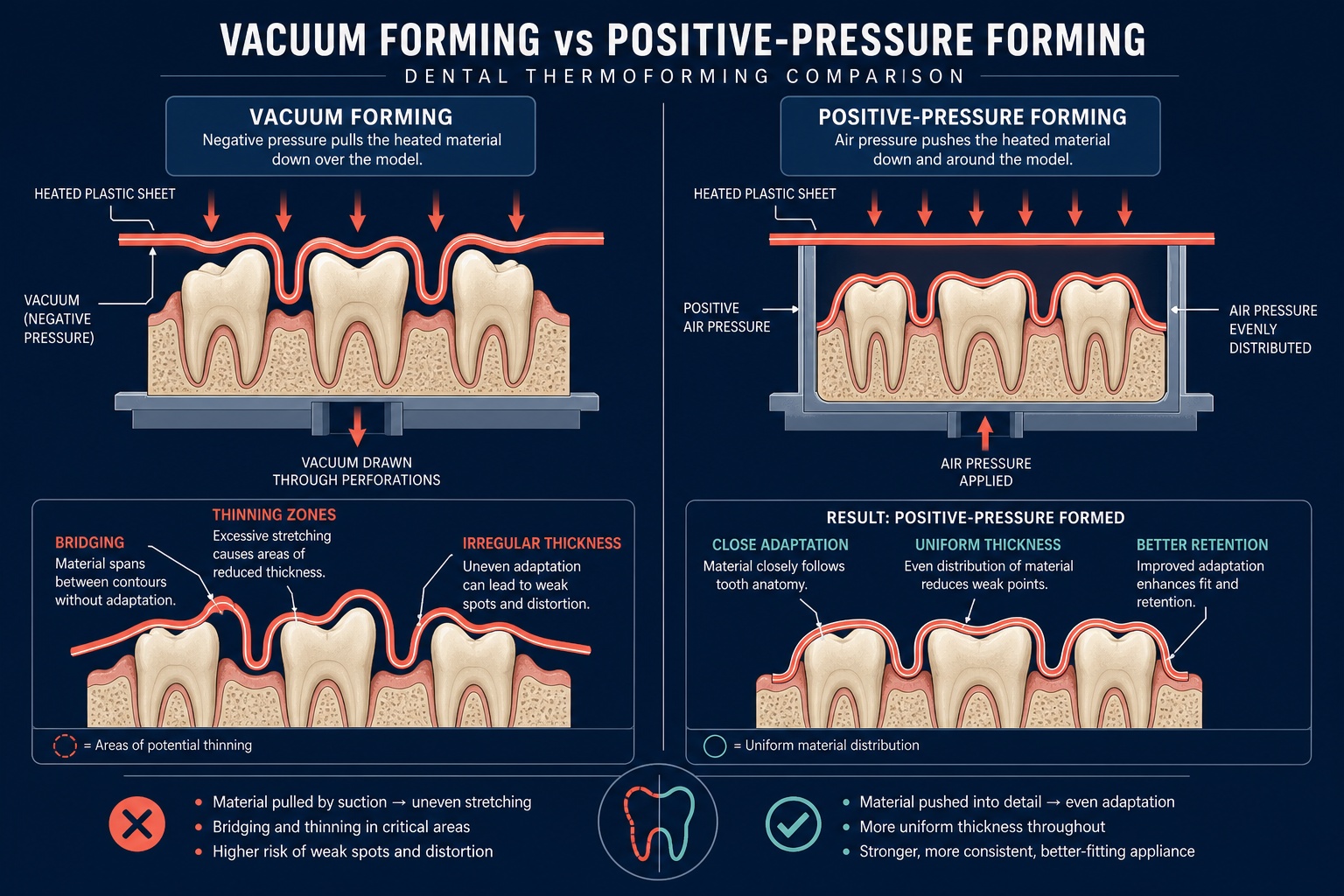
The primary distinction in your selection process is how the machine adapts the plastic sheet to the dental model. Each method has specific implications for the final fit and functionality of the device.
- Vacuum Forming (Negative Pressure): These machines utilize a motor to suck air through the model base. While sufficient for simple Hawley retainer vs. clear retainer comparisons in basic cases, they often struggle with deep interproximal spaces. The lack of atmospheric force can lead to "bridging," where the material fails to capture the gingival margin accurately, compromising the retention of the appliance.
- Positive Pressure Forming: These units use compressed air to force the heated plastic onto the model. This method ensures high-fidelity reproduction of the tooth anatomy, which is critical for the "grip" required in the clear aligner evolution. High-end units typically operate between 3 and 6 bar to achieve this level of detail.
Research indicates that thermoforming material thickness can decrease by 15% to 40% during the process. Positive pressure helps mitigate the clinical consequences of this thinning by ensuring the remaining material is perfectly adapted to the most critical force-delivery zones, providing more predictable tooth movement.
Critical Specifications for Lab Selection
When evaluating specific models, such as the Scheu Biostar or Bio-Art PlastPress, you should prioritize technical benchmarks that affect the long-term reliability of your output.
Heating Element and Temperature Control
Precision begins with the heating element. Look for infrared (IR) components that reach working temperatures rapidly. Advanced machines utilize thermal sensors to monitor the actual temperature of the plastic sheet rather than relying on a simple timer. This granular control prevents "bubbling" in PETG or PU materials and ensures consistent elasticity across every production cycle.
Automation and Sensor Technology
High-volume labs benefit significantly from semi-automatic or fully automatic machines. Modern units often feature barcode scanners that automatically program the correct heating and cooling times based on the material's specific requirements. This automation reduces technician error and ensures that orthodontic thermoforming precision remains constant across different shifts and operators.
Reservoir and Working Area
Versatility is essential for a growing practice. Ensure the machine can accommodate both round and square sheets, typically in the 120mm to 125mm range. A large pellet reservoir is also beneficial; it helps in insulating the model and controlling the "reach" of the plastic, which further minimizes uneven thinning during deep draws.
Workflow Requirements and Material Compatibility
Your machine selection is only as effective as the workflow surrounding it. For clinics using 3D-printed models, the substrate must be completely dry and post-cured before the forming process begins. Residual moisture or unreacted resin can off-gas during the heating phase, leading to poor appliance clarity or significant fit issues that require remakes.
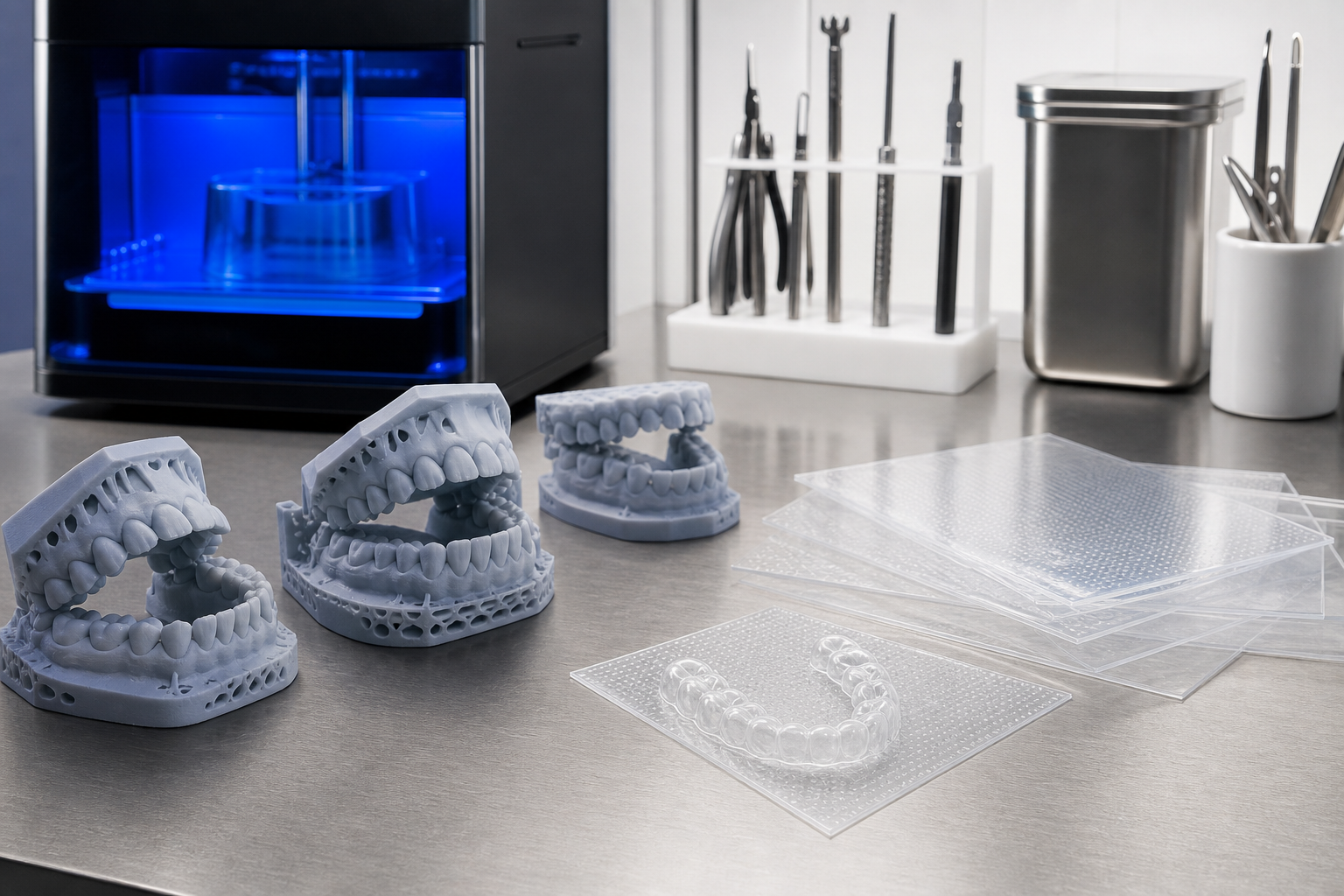
The machine you choose must also handle the diverse range of modern thermoplastics used in daily practice:
- PETG: The industry workhorse for retainers, valued for its exceptional clarity and ease of forming.
- Polyurethane (PU): Increasingly favored for aligners due to its superior shape memory and ability to deliver sustained physiological force.
- EVA: A flexible and soft material, ideal for fabricating sports mouthguards and whitening trays.
Future-Proofing Your Production
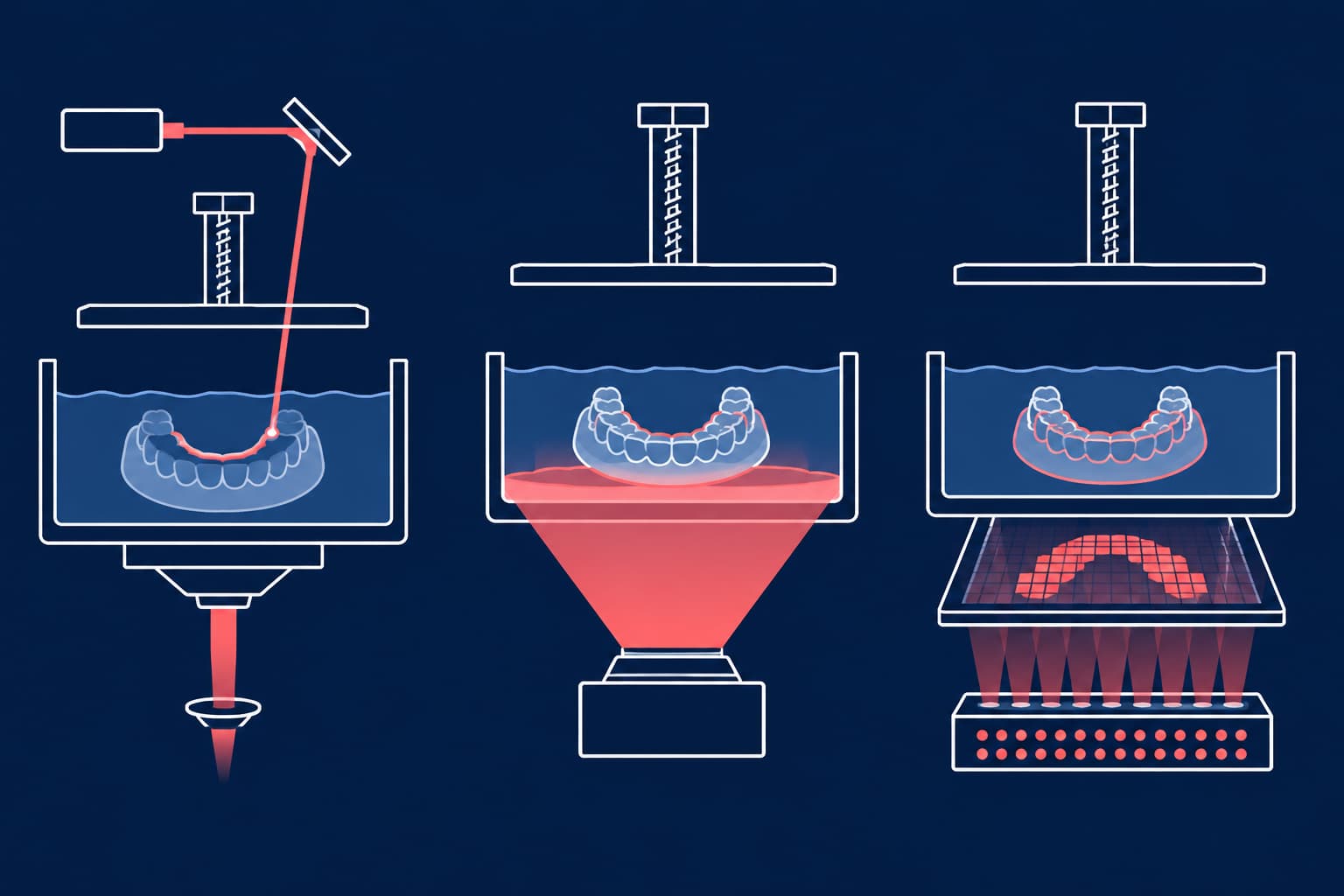
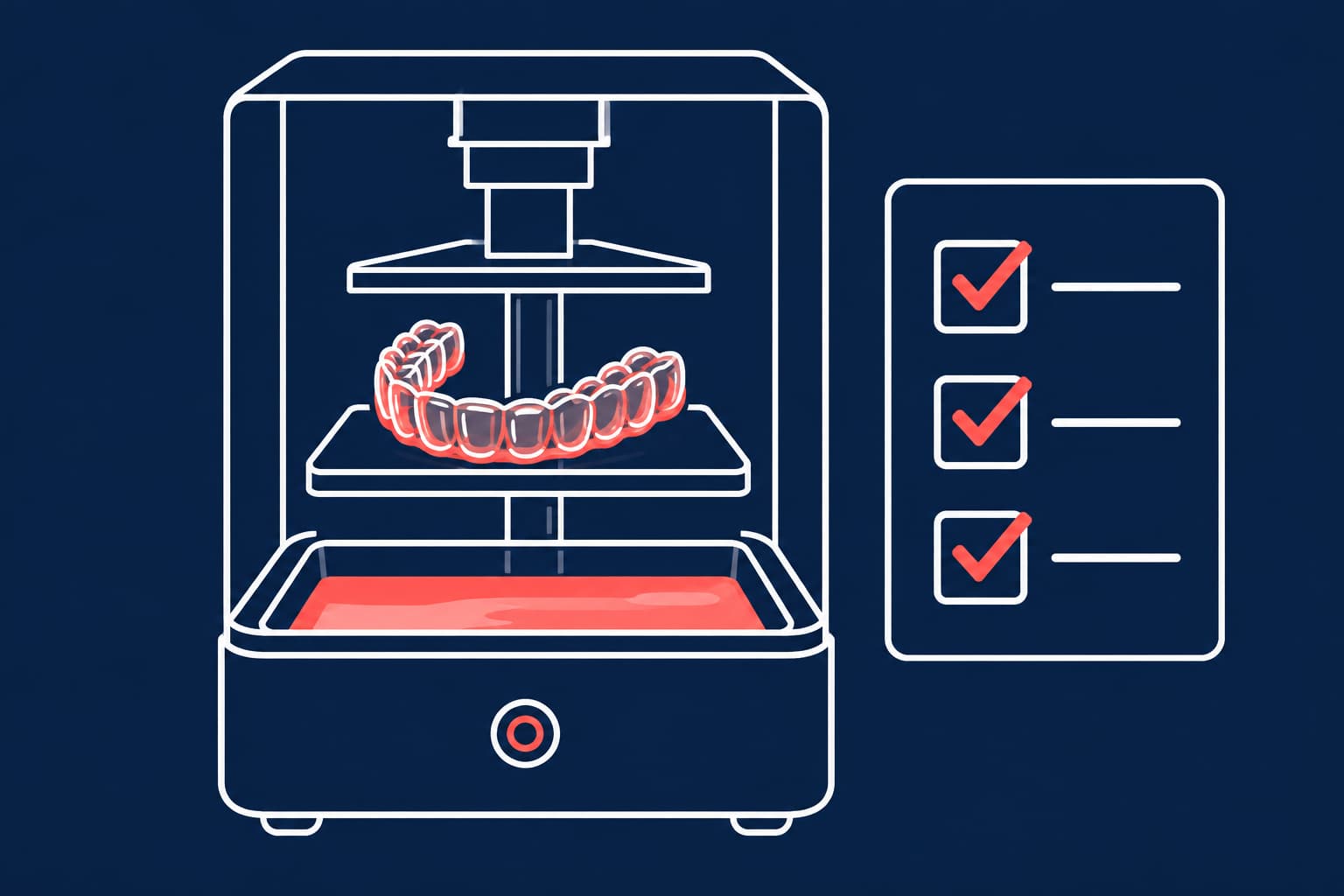
While thermoforming remains a cornerstone of orthodontic production, the industry is witnessing a novel shift toward direct-to-print solutions. Direct 3D printing eliminates the thinning and stretching inherent in thermoforming, allowing for truly uniform wall thickness and more complex geometries.
However, for most clinics and labs today, a high-quality positive-pressure machine remains a versatile and indispensable investment. It provides the flexibility to produce everything from surgical guides to complex splints with predictable results.
If you are looking to scale your production or integrate advanced 3D-printed models into your workflow, Nordicdens provides the lab expertise and digital infrastructure to bridge the gap between traditional craft and modern manufacturing.
Contact Nordicdens today to optimize your lab workflow or explore how our direct-print appliances can complement your existing thermoforming capabilities.