Functional orthodontic appliances correct significant bite misalignments by harnessing the natural forces of your facial muscles and jaw growth. Unlike traditional braces that primarily focus on aligning individual teeth, functional appliances target the relationship between the upper and lower jaws. These devices are most effective during active growth spurts, making them a cornerstone of orthodontic treatment for children and teenagers worldwide.
What Are Functional Orthodontic Appliances?
Functional appliances are specialized devices designed to correct malocclusions – commonly known as "bad bites" – by influencing the development of the jaw bones. While you might be familiar with fixed braces that use brackets and wires to shift teeth, functional appliances focus on skeletal correction. These devices hold the lower jaw in a specific position, encouraging the surrounding muscles and bone structure to adapt. This process leads to a more harmonious facial profile and a functional bite.
Orthodontists typically prescribe these devices to treat Class II malocclusions, where the upper teeth project significantly over the lower teeth, or Class III malocclusions, involving an underbite. You may worry that these appliances appear bulky or uncomfortable; however, modern designs focus on patient ergonomics to ensure the treatment is as unobtrusive as possible while still delivering powerful skeletal changes.
Biological Mechanisms of Action
The primary goal of a functional appliance is to posture the mandible (lower jaw) into a neutral position. This process relies on several biological mechanisms:
- Skeletal Remodeling: The appliance places gentle pressure on the jaw joints, signaling your body to adapt the bone structure during growth.
- Dentoalveolar Changes: While the focus remains on the skeleton, these devices also influence how your teeth erupt and settle into the jaw.
- Soft Tissue Adaptation: Muscles and ligaments around the jaw are trained to maintain a new, healthier position naturally.
Timing is critical for clinical success. Specialists usually recommend these appliances during the "mixed dentition" stage – when you or your child has both baby and adult teeth. This window allows the appliance to capitalize on the final stages of significant jaw growth for a more predictable outcome.
Common Types of Functional Appliances
Modern laboratories now produce a variety of devices tailored to specific clinical needs. These are generally categorized into removable and fixed versions.
Removable Appliances
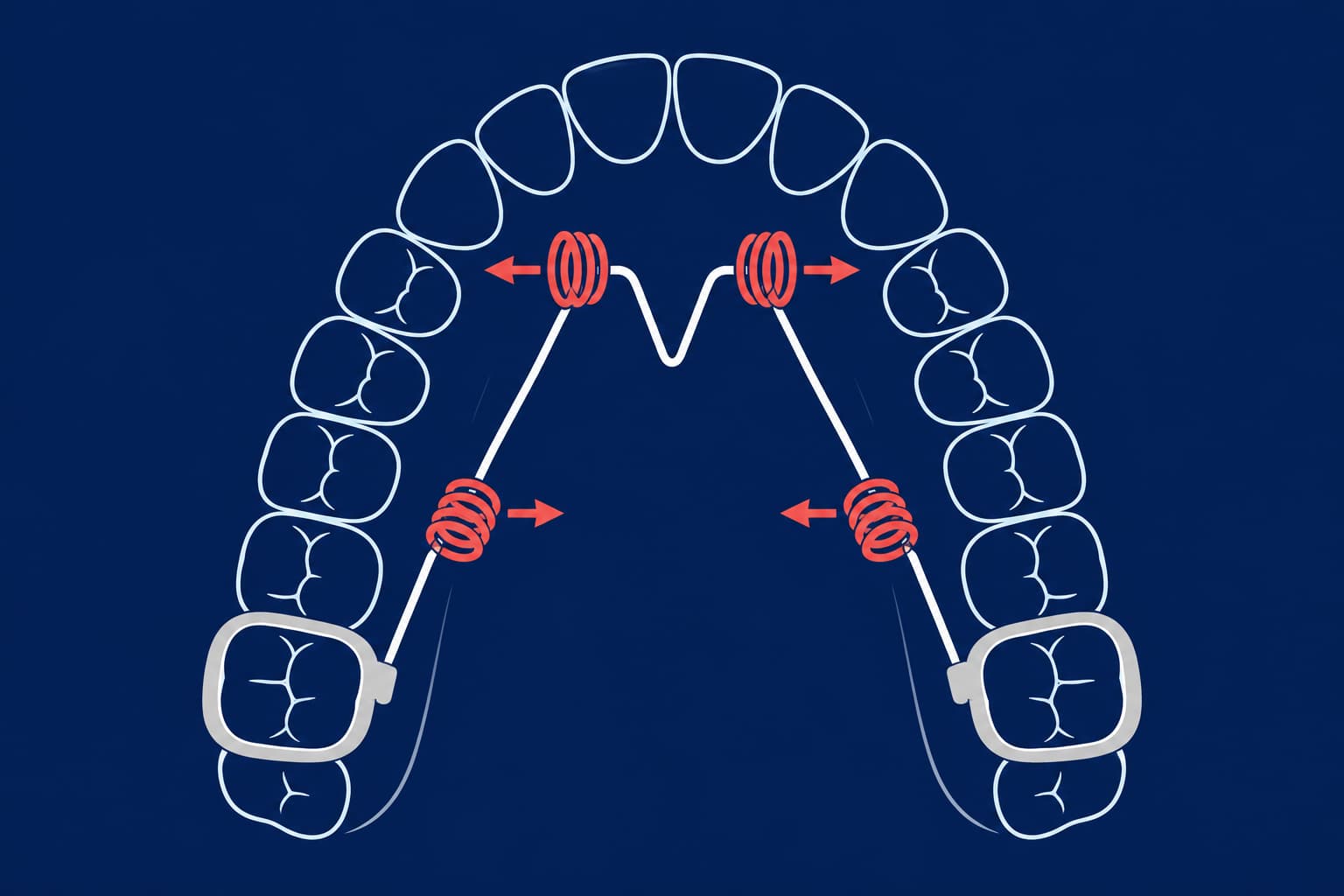
- Twin Block: This is among the most popular functional appliances. It consists of two separate pieces that work together to guide the lower jaw forward when you close your mouth.
- Bionator: A single-piece removable device designed to improve the relationship between the upper and lower teeth while guiding the eruption of permanent teeth.
- Frankel Appliance: A more complex device that focuses on the soft tissues of the cheeks and lips to create space for jaw development.
Fixed Appliances
- Herbst Appliance: This is a non-removable device attached to the molars. It uses a telescoping rod mechanism to keep the lower jaw in an advanced position 24/7, which is particularly useful for patients who might forget to wear a removable version.
- MARA (Mandibular Anterior Repositioning Appliance): A fixed device often considered more discreet than the Herbst, using "elbows" on the molars to guide the jaw into the correct position.
The Digital Shift in Appliance Fabrication
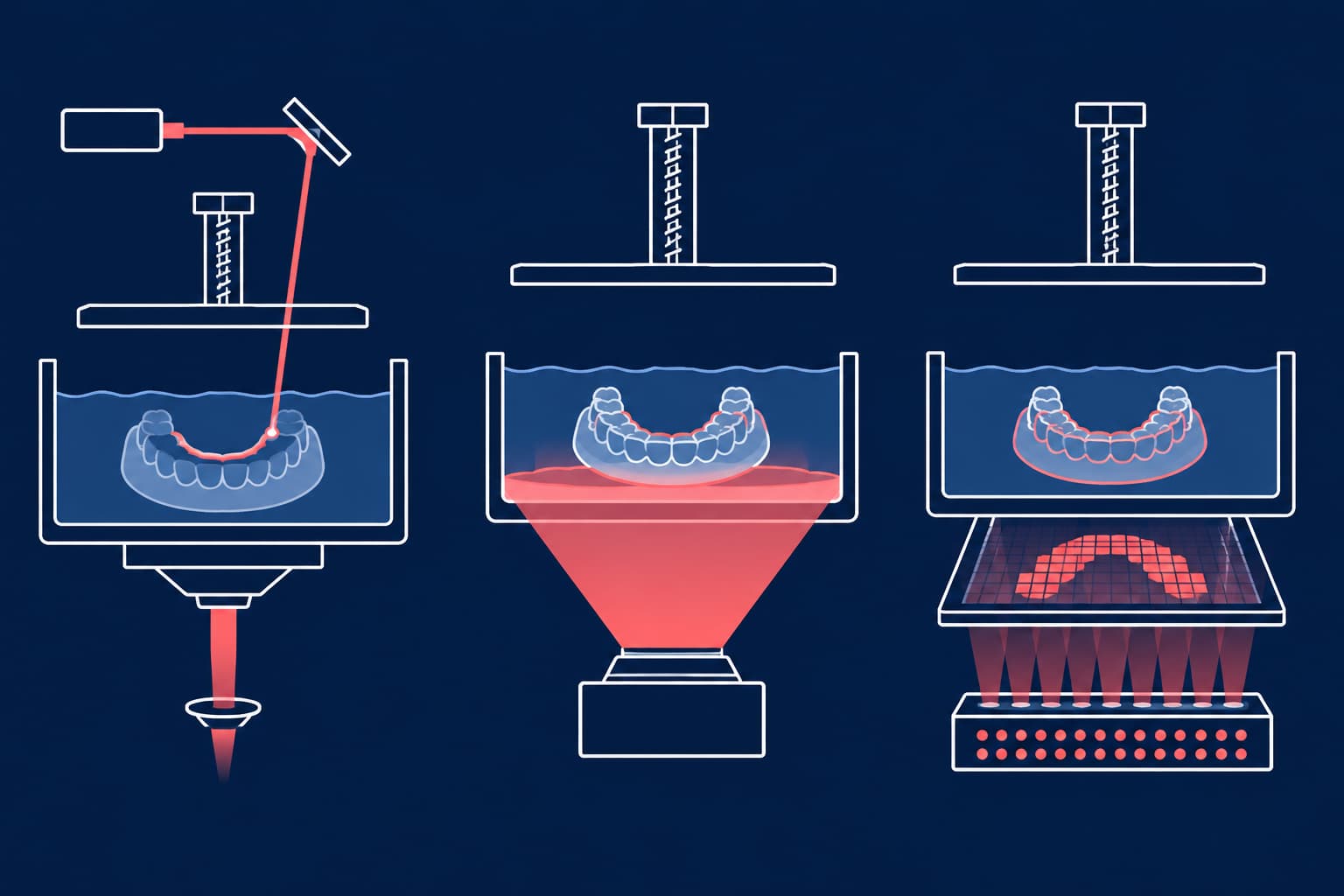
The way these appliances are manufactured has evolved from manual labor to high-precision engineering. Traditionally, you would have to endure uncomfortable, messy putty impressions. Today, the process often starts with a digital workflow and intraoral scan that captures a precise 3D map of your mouth.
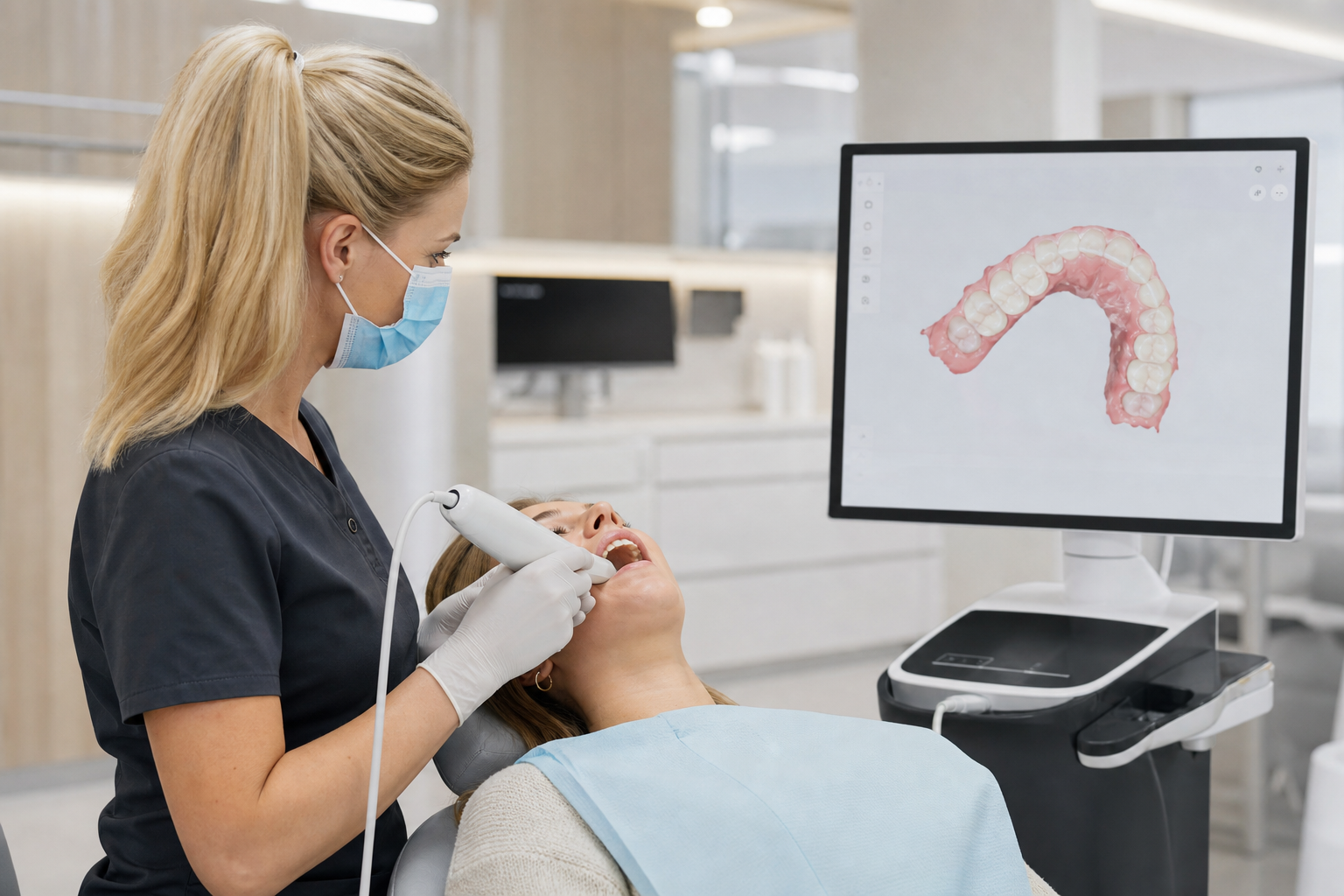
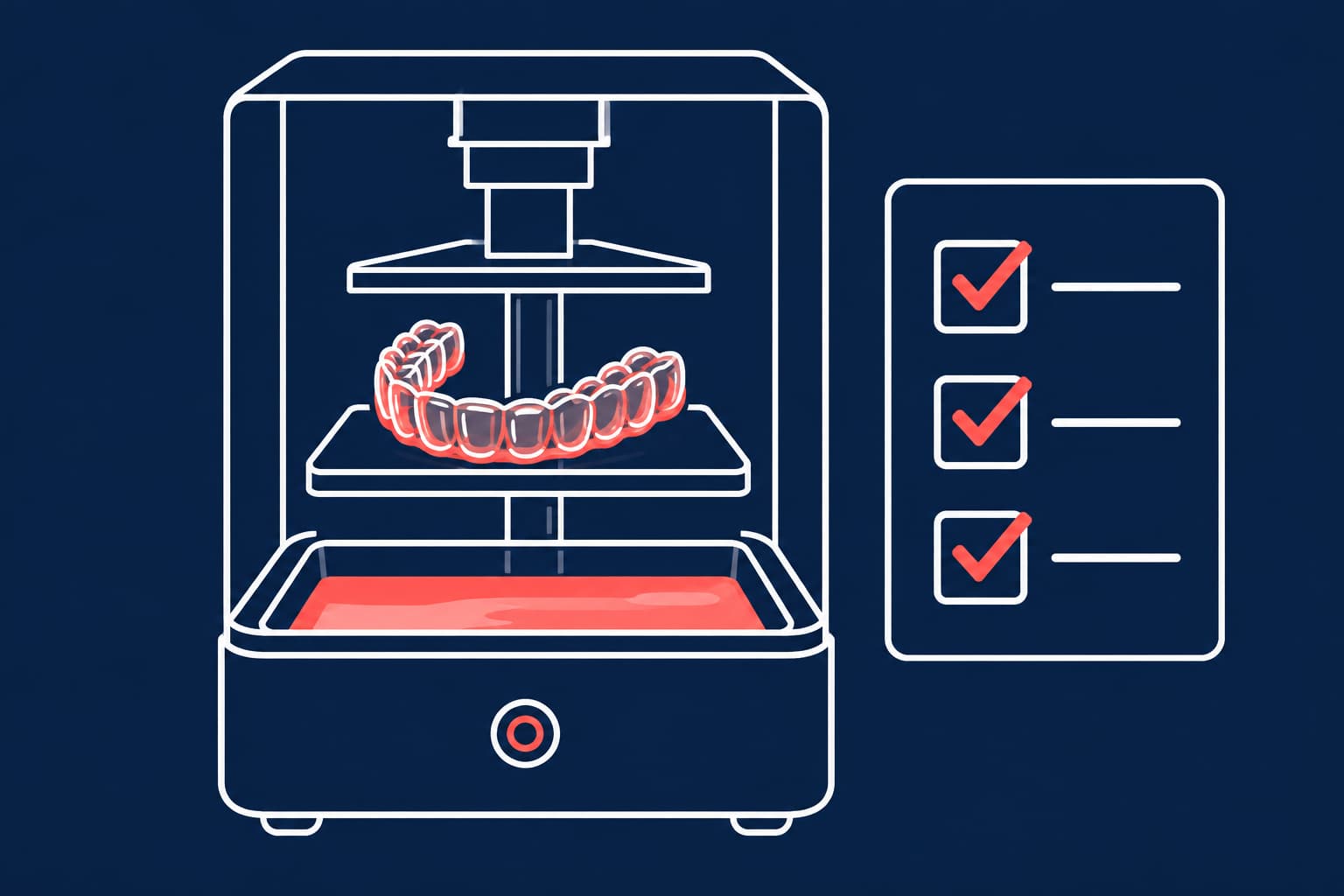
Laboratories like Nordicdens utilize advanced CAD/CAM orthodontics to design these appliances with micron-level precision. This 3D printing revolution in orthodontics ensures that whether an appliance is a traditional Twin Block or a direct-printed orthodontic appliance, the fit is significantly more comfortable. Furthermore, the high orthodontic 3D printer accuracy allows for appliances that require fewer adjustments at the chairside, reducing the time you spend in the dental office.
Care and Maintenance for Patients
Proper care is essential for the appliance to function correctly. Whether you are a student wearing a Twin Block or a parent helping a child, following these maintenance protocols ensures treatment stays on track.
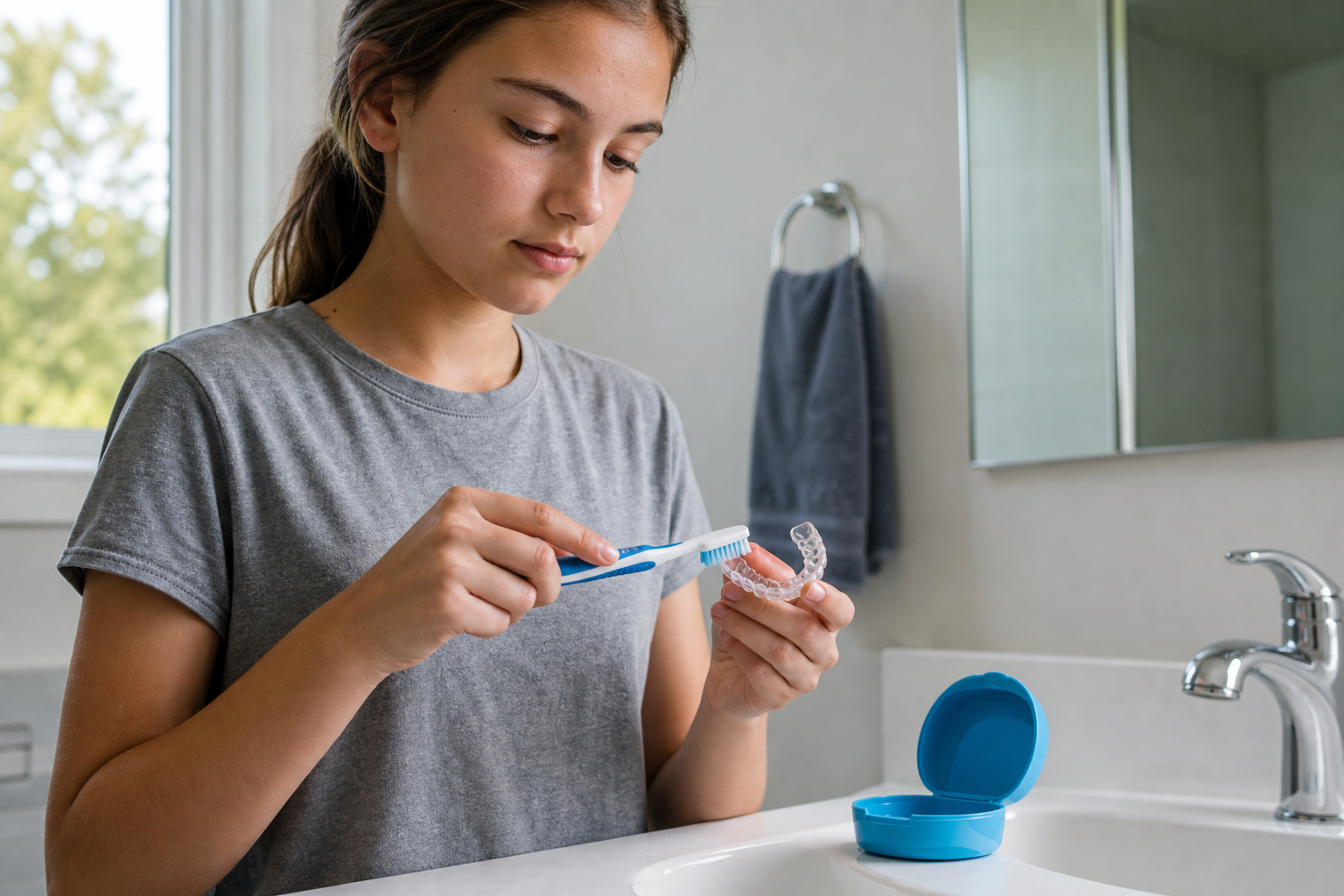
- Adhere to Wear Time: Removable appliances only work if they stay in your mouth. Most orthodontists recommend wearing them 22 hours a day, including while you sleep and eat.
- Maintain Rigorous Hygiene: Brush your teeth and the appliance twice a day with fluoride toothpaste. Avoid using boiling water to clean removable devices, as intense heat can warp the medical-grade resins.
- Use Protection: When playing contact sports, you should replace your removable appliance with a professional gumshield to prevent injury or damage to the device.
- Store Correctly: If the appliance is not in your mouth, it must be in its protective case. Wrapping it in a napkin is a common mistake that leads to the device being accidentally thrown away.
Functional appliances represent a sophisticated blend of biology and digital engineering. By addressing jaw growth early, you can often reduce the need for more invasive procedures, such as tooth extractions or jaw surgery, later in life.
If you are a clinician interested in how modern manufacturing supports better patient outcomes, explore our orthodontic blog for the latest insights on digitally-fabricated solutions.