The primary cause of orthodontic remakes is rarely a failure of manufacturing technology; instead, it is a failure of information. Industry data suggests that over 80% of dental laboratory remakes stem from clinic-side errors, primarily inadequate impressions, improper bite registrations, or ambiguous prescriptions. Establishing a high-fidelity digital communication thread is the most effective way to eliminate these productivity disrupters and ensure that the physical appliance matches your clinical intent.
The Digital Thread: Beyond Physical Impressions
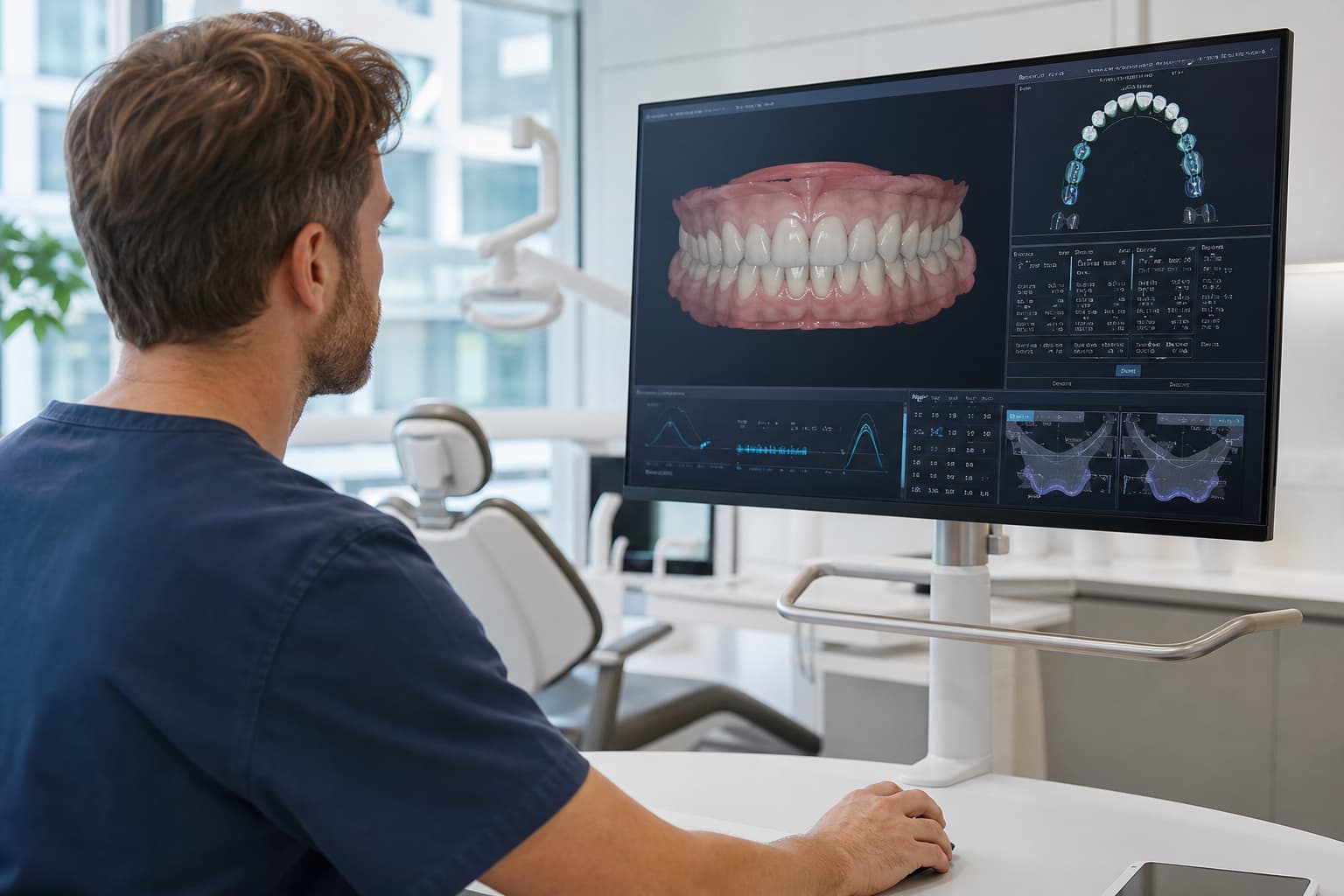
Transitioning from traditional alginate impressions to a digital workflow is the first step in reducing clinical variability. When you move to a digital-first model, you replace the inherent dimensional instability of plaster with precise STL and PLY files. This digital thread allows for a level of accuracy that conventional methods struggle to replicate, maintaining tolerances within ±0.25 mm – the definitive benchmark for predictable tooth movement.
However, a digital scan is only as useful as the data it contains. To ensure your lab has a watertight foundation for fabrication, your clinical team should adopt standardized scanning protocols:
- Tissue Retraction and Moisture Control: Use effective gingival retraction and ensure the field is thoroughly dry. Moisture-related noise can create incomplete geometry, forcing the lab to approximate the gingival zenith.
- Standardized Scan Paths: Follow the manufacturer-recommended sequence for full-arch scans to minimize mesh distortion and ensure the integrity of the 3D data.
- Bite Verification: Capture buccal bite scans on both sides with sufficient overlapping tooth structure. This ensures the lab's virtual models reflect the patient’s maximum intercuspation accurately.
Refining the Digital Prescription
A common objection to outsourcing is the perceived loss of control over the design process. You might worry that a distant technician cannot replicate your chairside intuition. In reality, CAD/CAM orthodontics offers more control, provided the prescription is sufficiently dense with detail. A vague instruction leads to a standard appliance that may not suit your patient’s specific biomechanical needs.
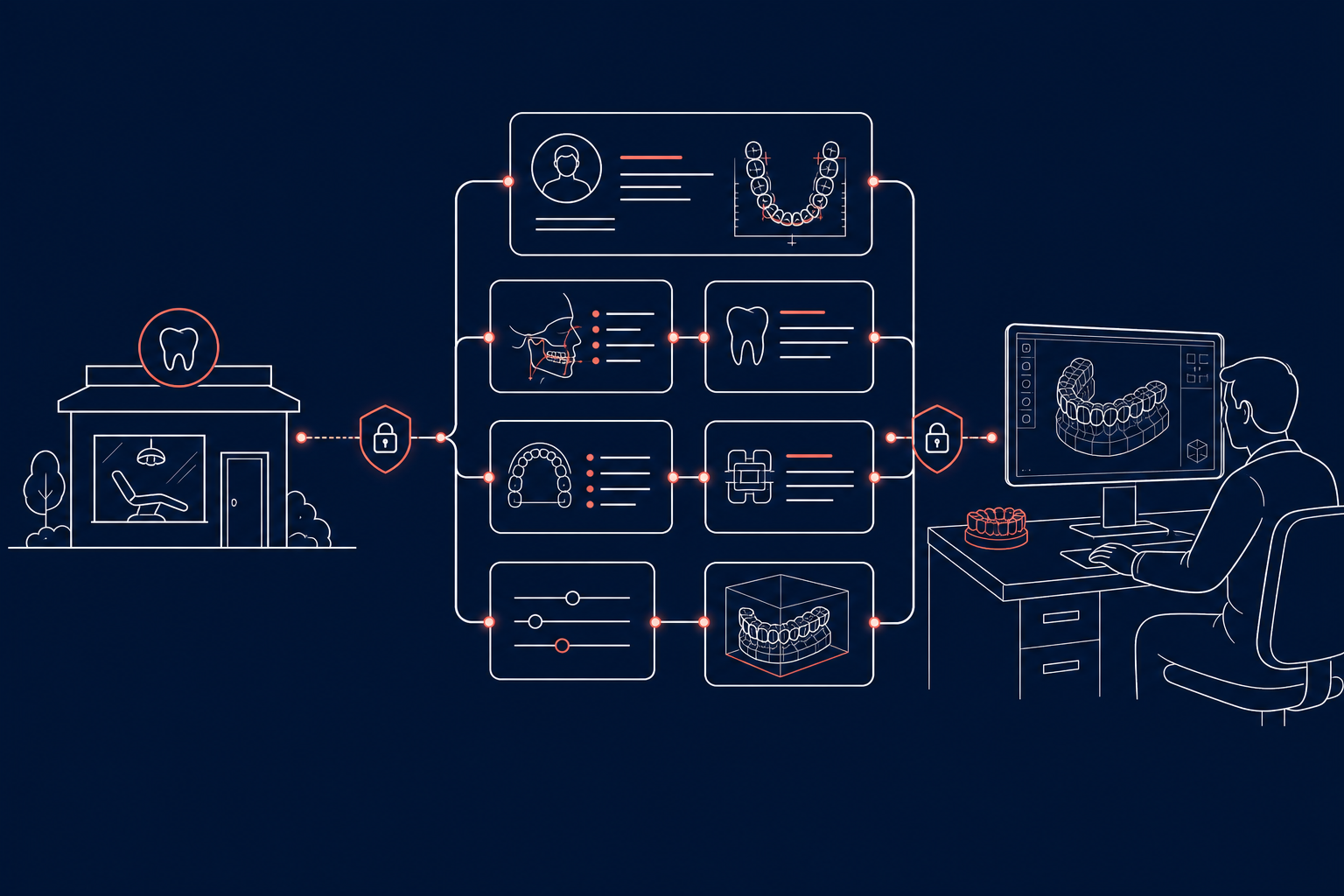
An efficient digital prescription should always include specific details to guide the technician:
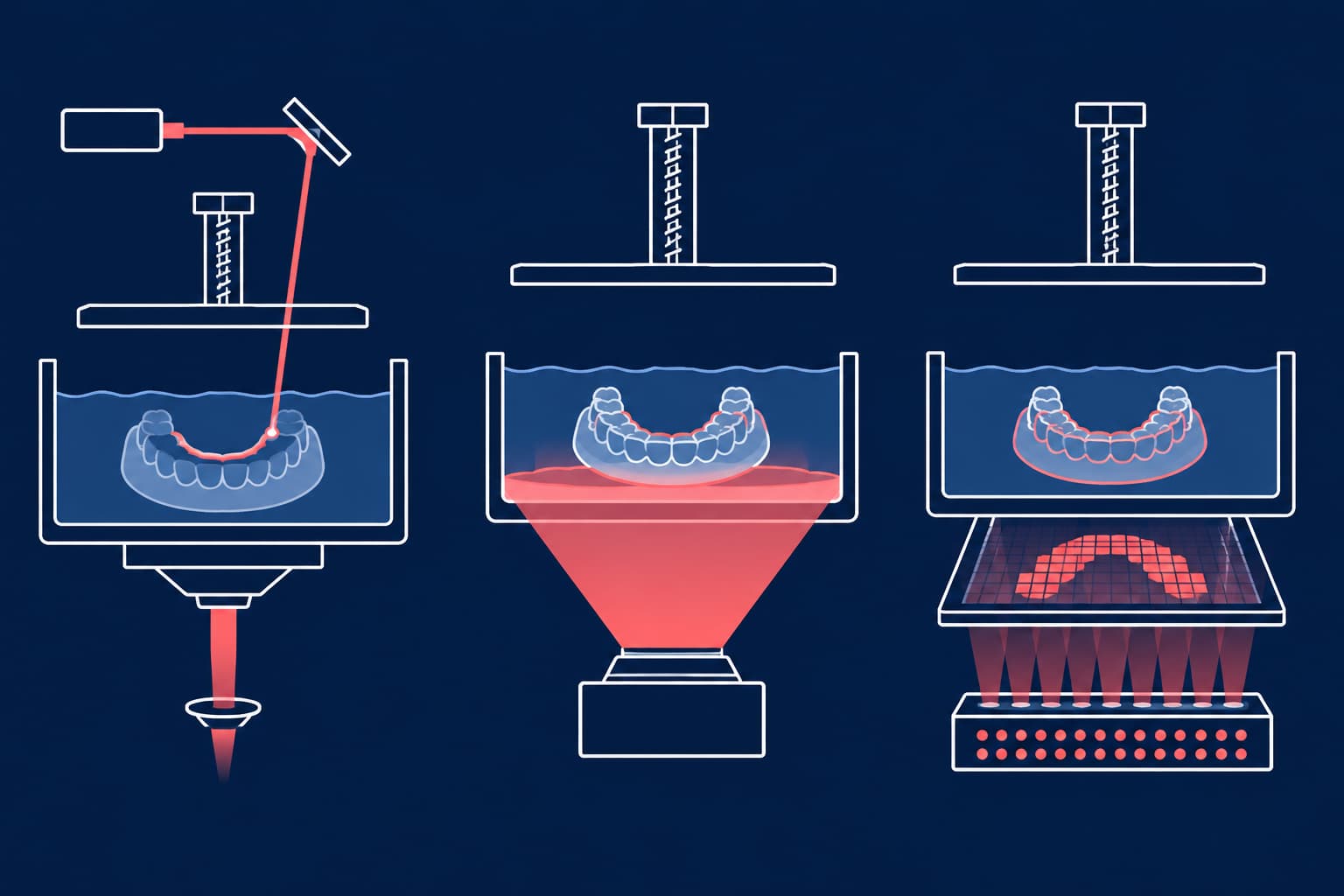
- Clear Material Specifications: Indicate specific resin types for 3D printing or precise wire gauges for traditional components.
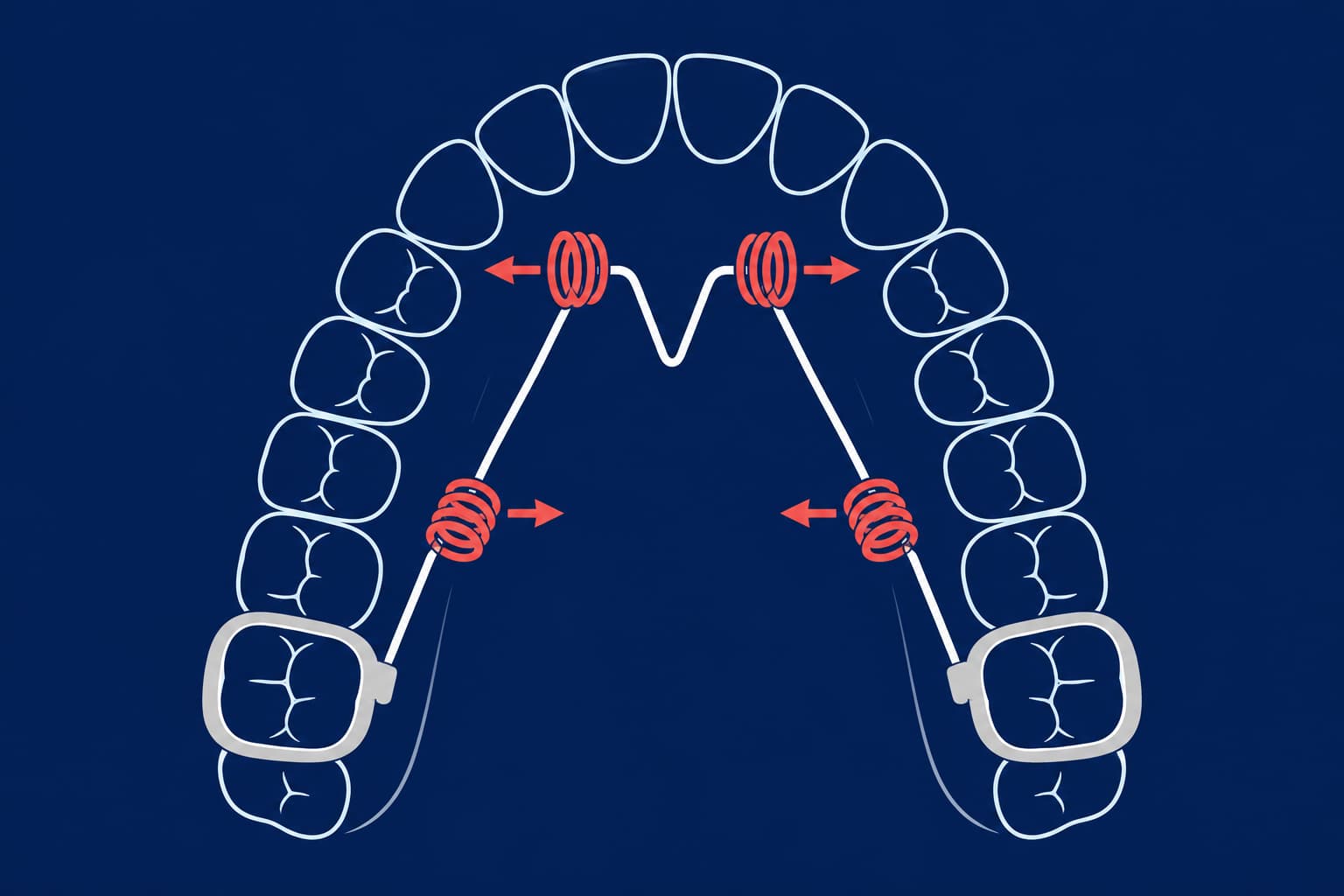
- Specific Anchorage Requirements: Define exactly which teeth should serve as anchors for active appliances to manage forces correctly.
- Anatomical Landmarks: Explicitly mention if certain areas, like terminal molars, are critical for the appliance's retention or if there are specific gingival considerations.
- Visual Aids: Attach clinical photographs. While intraoral scans capture anatomy with high precision, photos provide essential context for tooth shade and soft tissue health that scanners may miss.
Closing the Feedback Loop
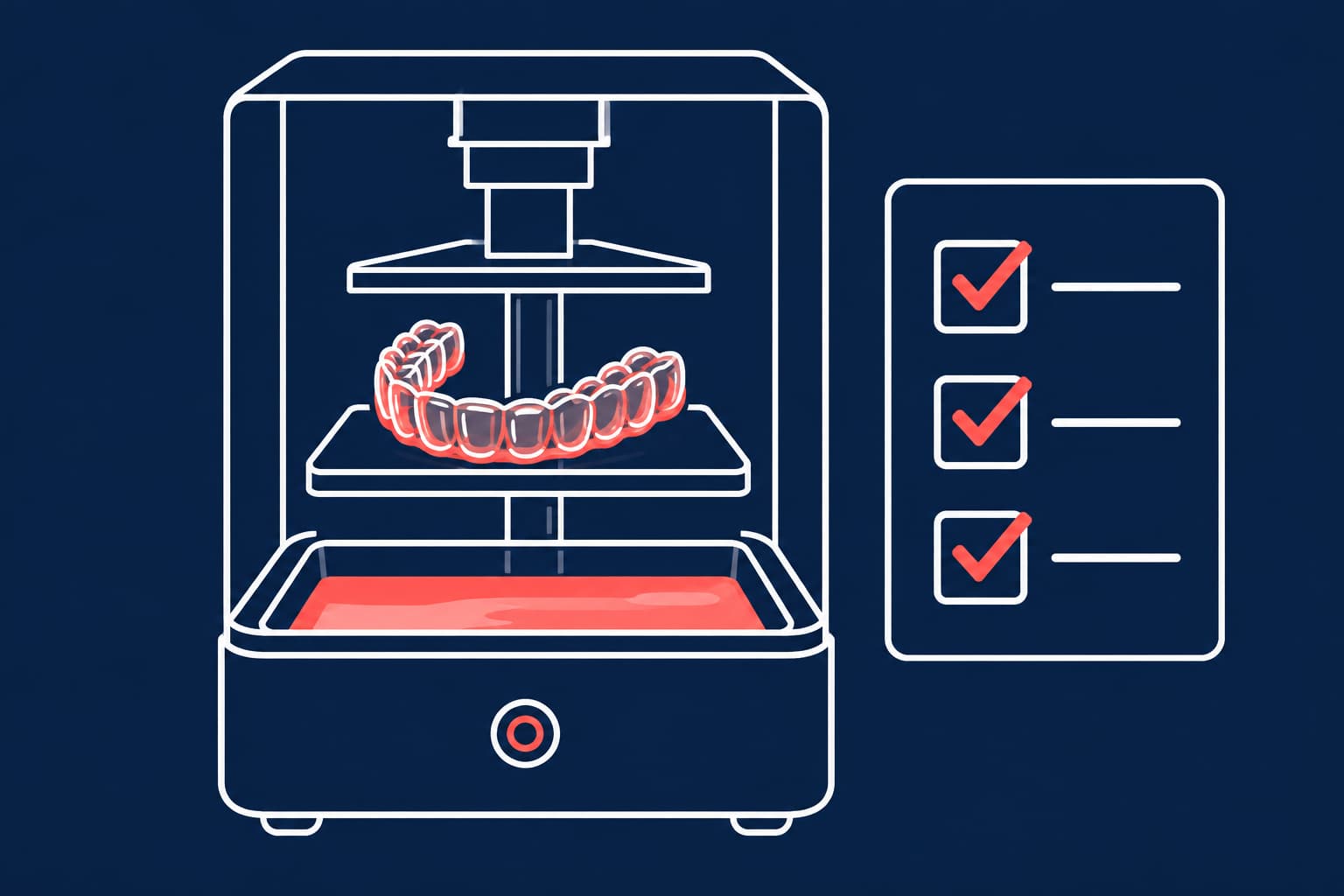
Efficient communication is not a one-way transmission; it is a closed loop. Modern laboratories utilize multi-stage quality control frameworks that involve mesh analysis and post-production validation to ensure medical-grade standards. However, the most valuable data point for a lab is your chairside feedback during the fitting.
If an appliance requires even minor adjustments, documenting those discrepancies allows the lab to calibrate their 3D printer accuracy or adjust their CAD design parameters for your future cases. This iterative process converts a simple supplier relationship into a novel partnership where the lab acts as a technical extension of your clinic. By sharing data on how the appliance performs in a clinical setting, you help the lab refine its internal tolerances to match your personal preferences.
Security and Compliance in Data Exchange
In the Baltics and Scandinavia, data sovereignty and GDPR compliance are paramount. Using secure, encrypted portals for file transfer is far superior to standard email. These portals not only protect patient identifiers but also ensure that large STL files are not compressed – a process that can strip away the geometric density required for a high-precision fit.
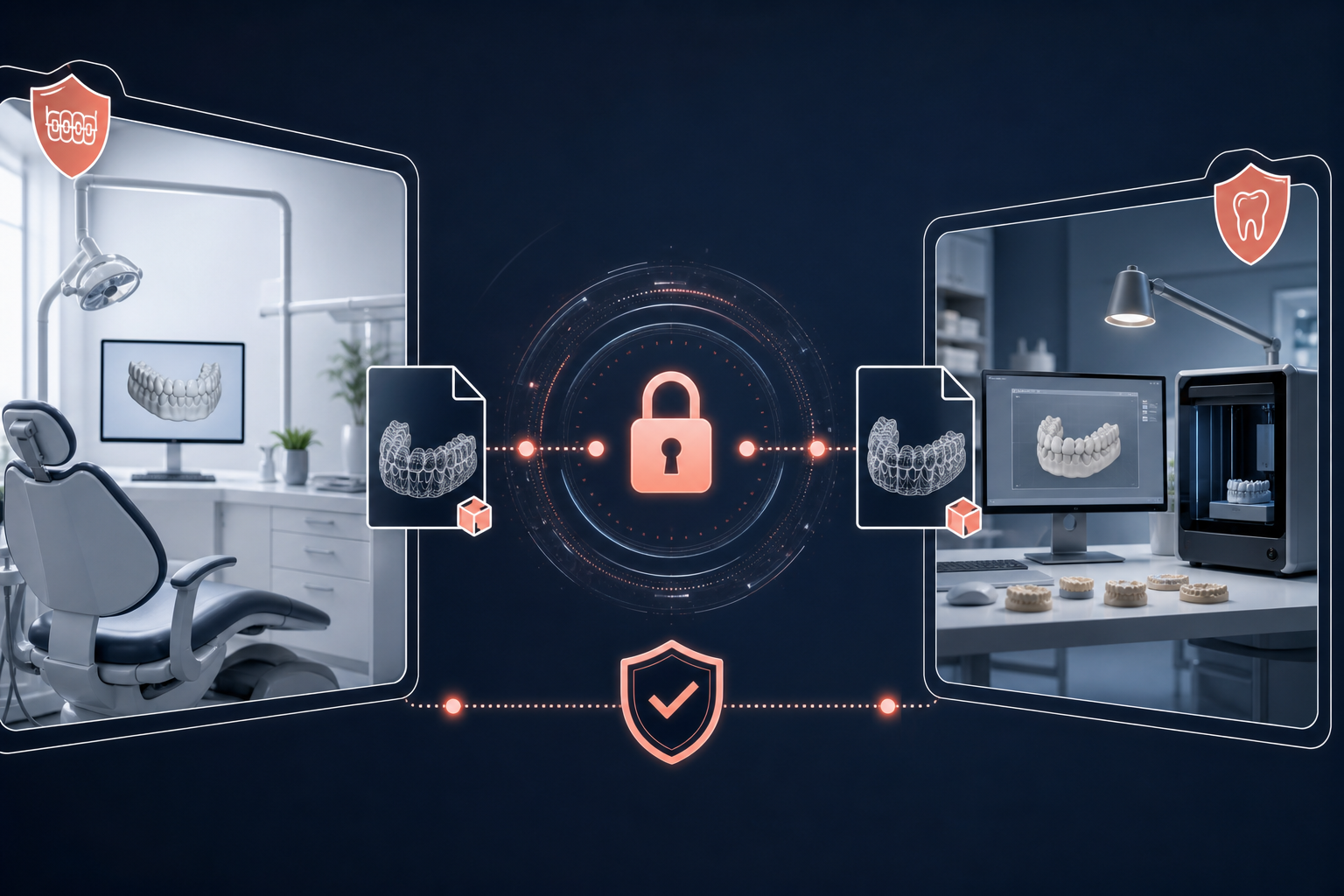
By centralizing your case management in a digital portal, you eliminate the risk of lost prescriptions and provide your staff with real-time tracking of every case. This transparency reduces administrative overhead and allows your team to focus on patient care rather than chasing laboratory updates. Furthermore, keeping files in a unified digital system ensures that if a patient loses a retainer, a replacement can be printed immediately from the existing record without a new scan.
Elevate Your Workflow Precision
The shift toward orthodontic lab outsourcing is driven by the need for industrial-grade precision that in-house setups often cannot maintain. By mastering the digital exchange of data and refining your communication protocols, you ensure that every appliance delivered to your clinic is a perfect physical manifestation of your digital treatment plan.
Streamlining these workflows reduces chairside stress and improves the patient experience by minimizing appointments for remakes. If you are ready to transition to a more predictable, digital-first partnership, contact Nordicdens today to discuss how we can integrate our high-precision 3D printing workflows into your clinical practice.