Pediatric space maintenance preserves arch length, width, and perimeter by preventing the dental shift that follows premature tooth loss. When a primary tooth is lost early, the surrounding dentition inevitably migrates, which can lead to the impaction of succedaneous teeth or severe crowding. To select the appropriate appliance, you must evaluate the child’s dental age, the root development of the permanent successor, and the patient’s anticipated cooperation level.
While space maintenance is a cornerstone of interceptive orthodontics, it is not a mandatory default for every case. You should prudently consider the specific biomechanical requirements of each case rather than assuming every premature loss necessitates an appliance. This assessment involves looking at the biomechanical requirements of each case to determine if the biological window for intervention is actually present.
Fixed Unilateral Space Maintainers
Fixed unilateral appliances are cemented to a single abutment tooth to maintain space on one side of the dental arch. These are often the preferred choice for younger patients where compliance with a removable device is improbable.
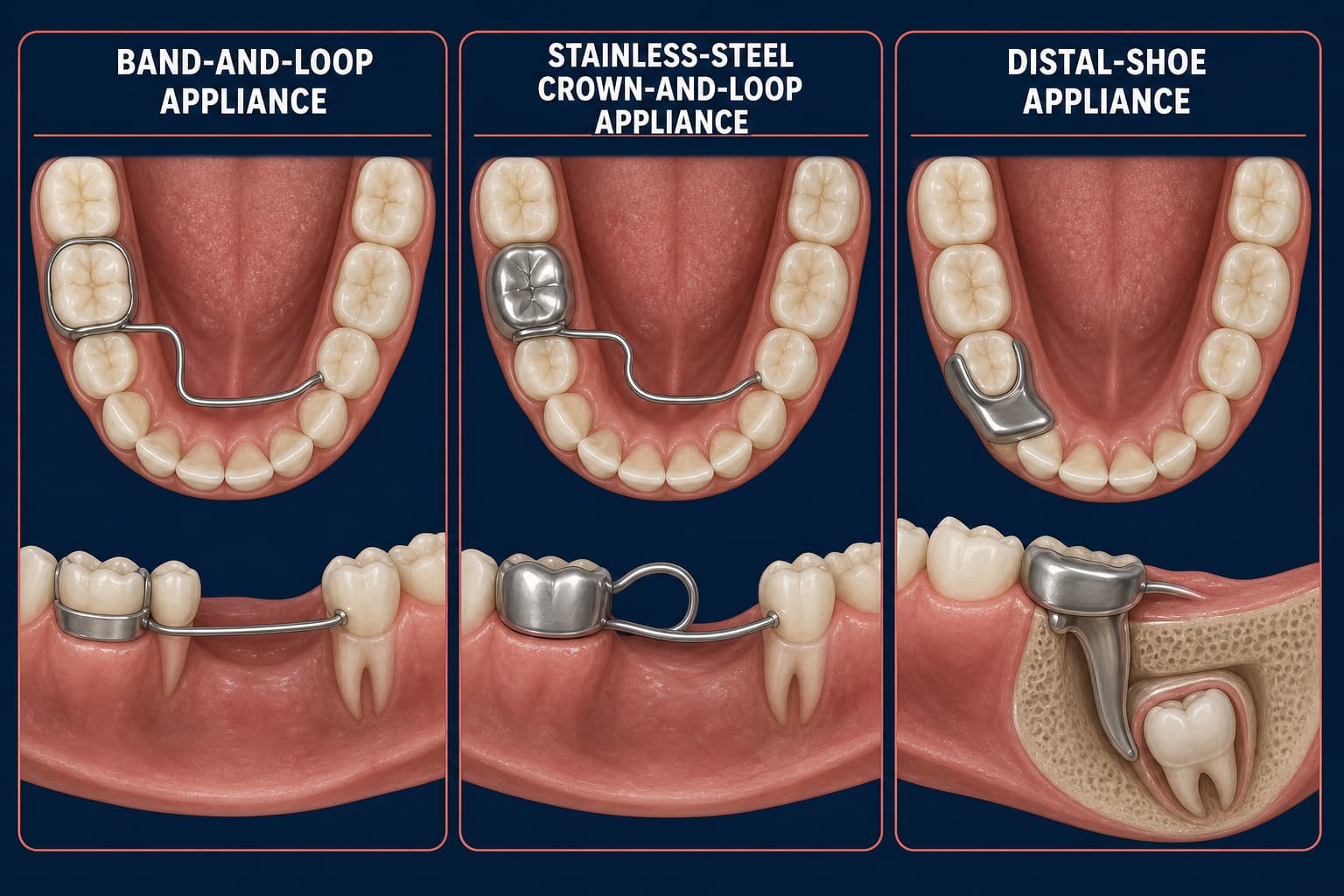
- Band and Loop: This is the standard workhorse for unilateral space maintenance. A stainless steel band is fitted to the tooth distal to the space, with a wire loop extending to contact the tooth mesial to the gap. It is highly effective for maintaining the space of a single prematurely lost primary molar.
- Crown and Loop: This variation utilizes a stainless steel crown instead of a band. You should select this option when the abutment tooth has extensive decay or requires a full-coverage restoration.
- Distal Shoe: This specialized appliance is indicated when a primary second molar is lost before the eruption of the permanent first molar. It features a metal extension that projects subgingivally to guide the erupting permanent molar into its proper position. Because of the subgingival component, these require meticulous clinical monitoring and high standards of oral hygiene to prevent inflammation.
Fixed Bilateral Space Maintainers
Bilateral appliances are used when teeth are missing on both sides of the arch or when multiple teeth are lost in a single quadrant. They provide superior stability by utilizing abutments on both sides of the jaw, ensuring the arch perimeter remains intact.
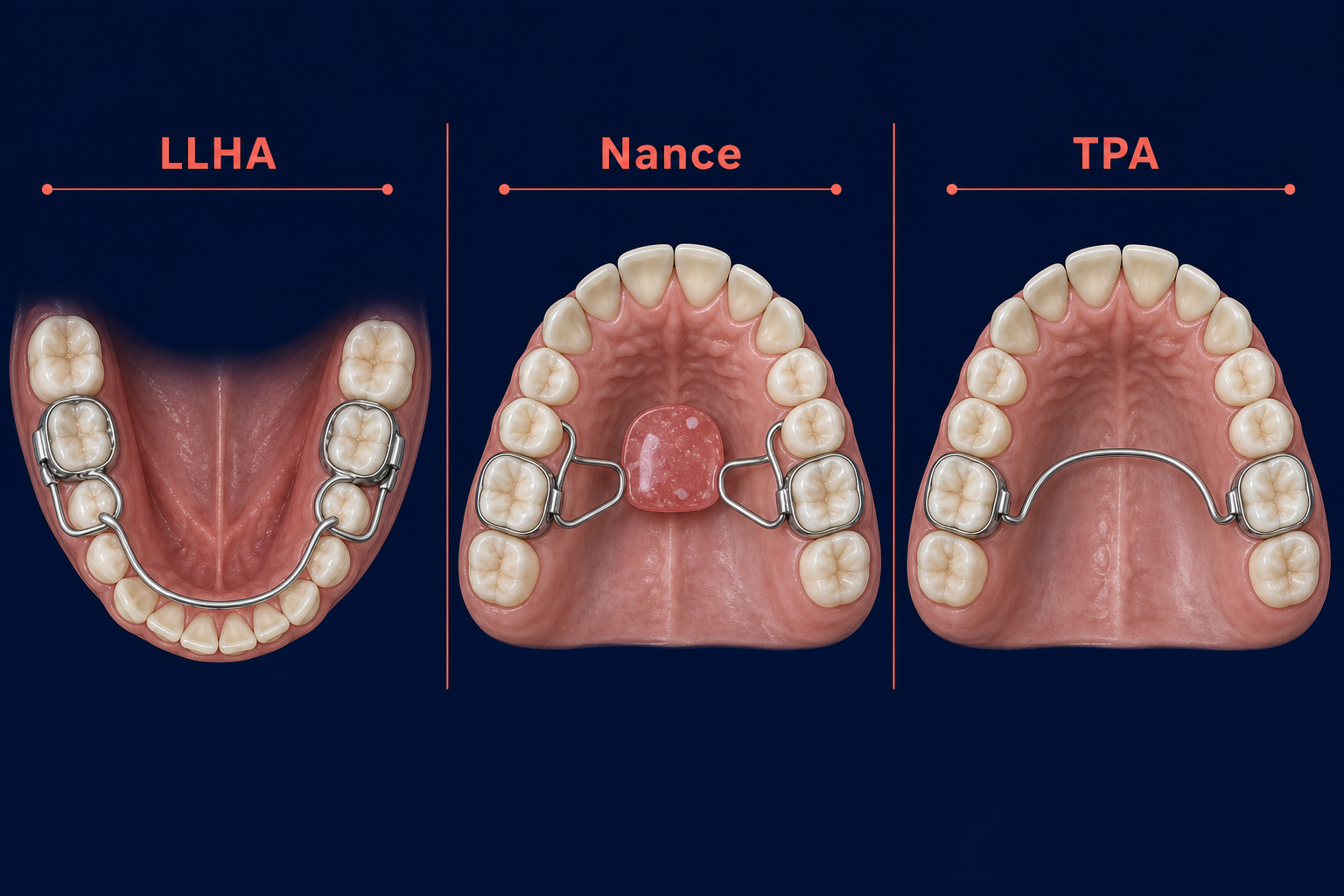
- Lower Lingual Holding Arch (LLHA): In the mandibular arch, the LLHA connects two molar bands via a lingual wire that rests against the cingulum of the lower incisors. This prevents the mesial drift of molars and preserves the arch during the transition from primary to permanent dentition.
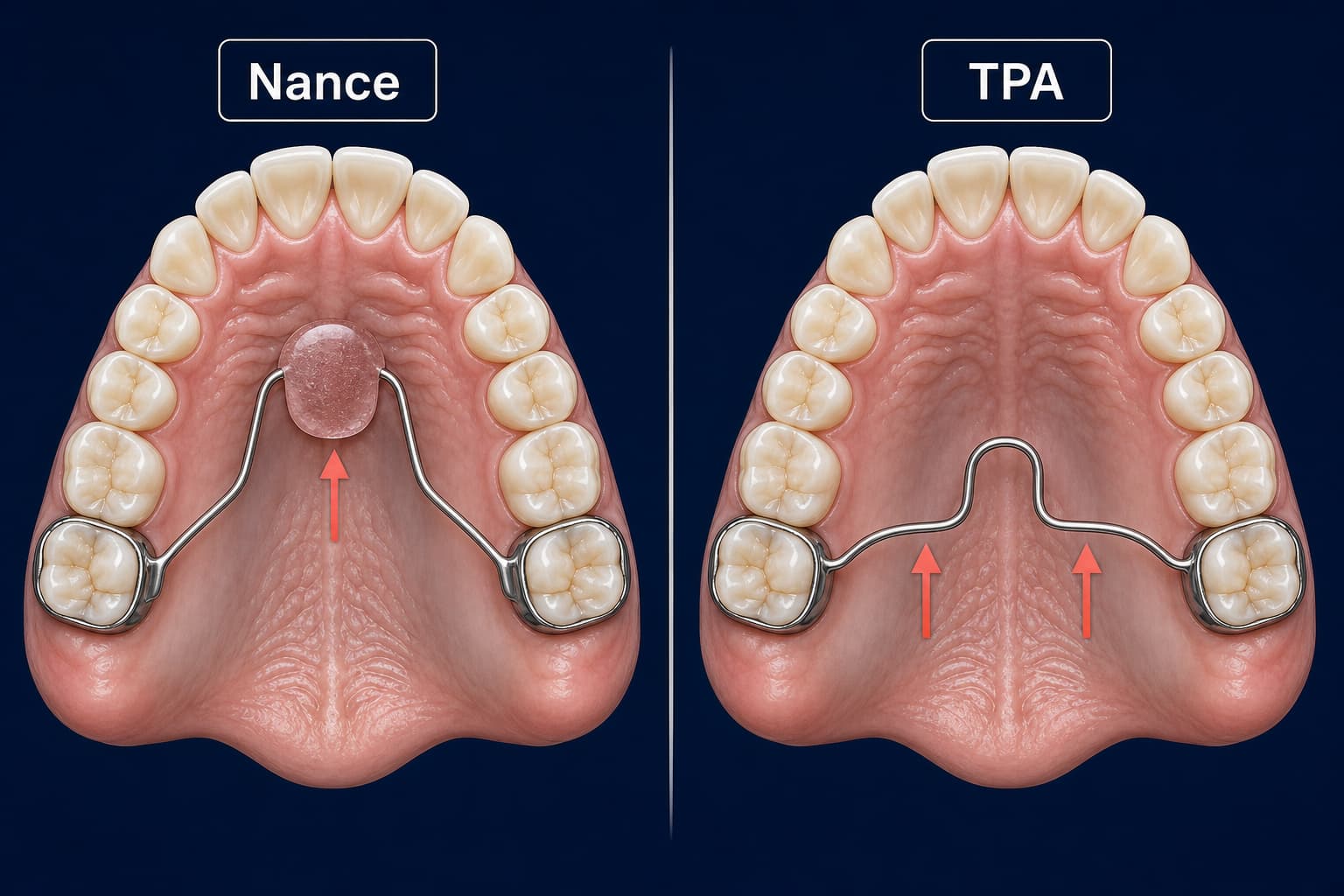
- Nance Appliance: This maxillary maintainer uses a palatal acrylic button or pad for anchorage. While highly effective at preventing the forward movement of upper molars, the acrylic interface can occasionally cause soft tissue irritation if the patient neglects hygiene.
- Transpalatal Arch (TPA): The TPA consists of a wire spanning the roof of the mouth, connecting the two maxillary molars. It is often preferred over the Nance when palatal tissue health is a concern. Much like various palatal expander designs, the TPA focuses on maintaining the transverse relationship while securing the sagittal position of the molars.
Removable Space Maintainers
Removable appliances are typically constructed from acrylic and may include artificial teeth or wire components. These devices offer more flexibility but come with distinct clinical trade-offs.
- Acrylic Partial Dentures: These are frequently employed for esthetic reasons, particularly when anterior teeth are missing. They restore function and appearance while holding space, making them a novel choice for visible regions.
- Hawley-Type Maintainers: These function similarly to standard retainers but incorporate spacers or wire stops to prevent neighboring teeth from migrating into extraction sites.
The obvious objection to removable maintainers is the heavy reliance on patient compliance. If the child does not wear the device as instructed, the treatment will fail. Consequently, these are generally reserved for older, more responsible children. There is also a tangible risk of loss or breakage, and in very young children, they may even present a swallowing or choking hazard if frequently removed. However, they allow for easier oral hygiene compared to fixed alternatives since the child can brush without obstruction.
The Shift Toward Digital Fabrication
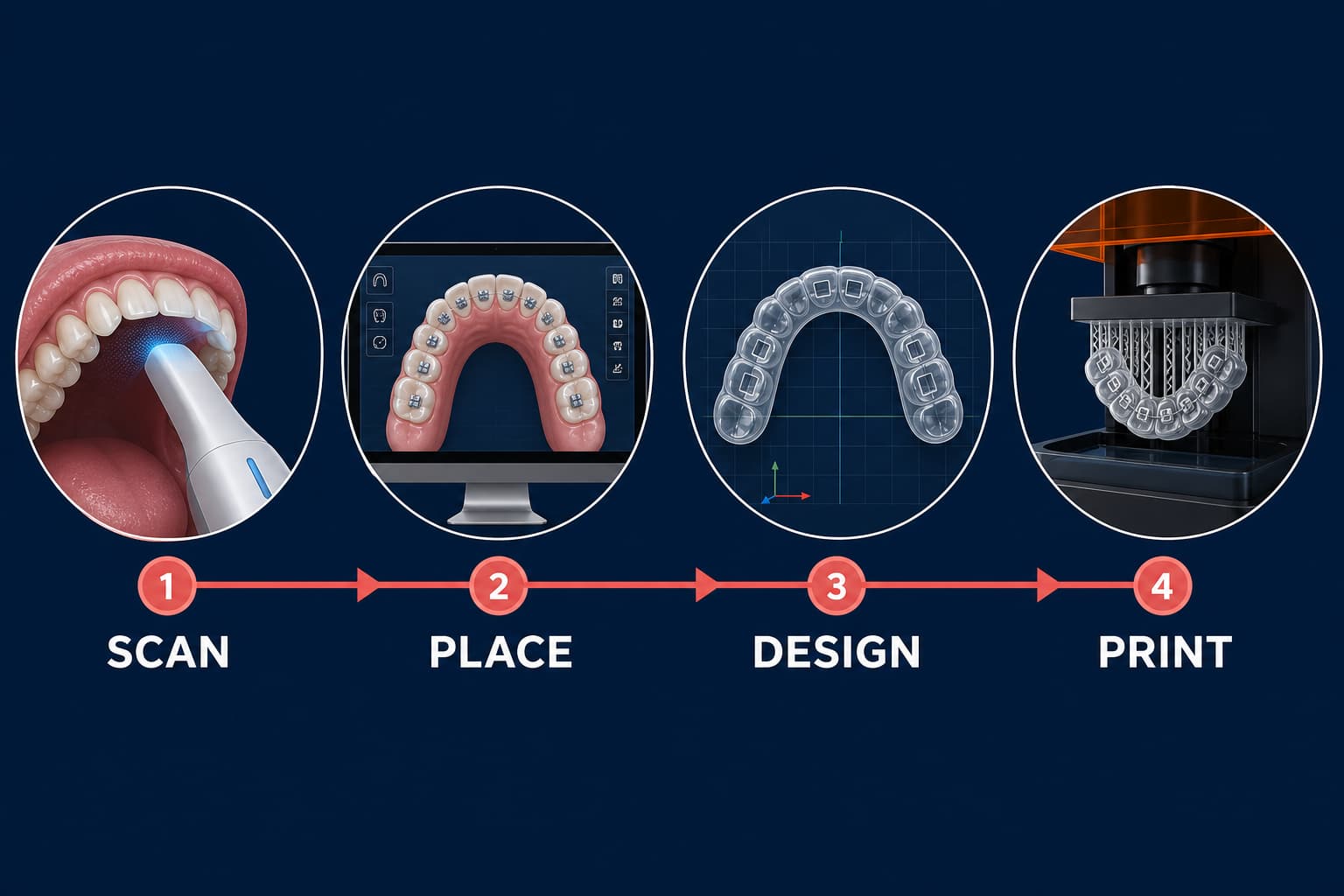
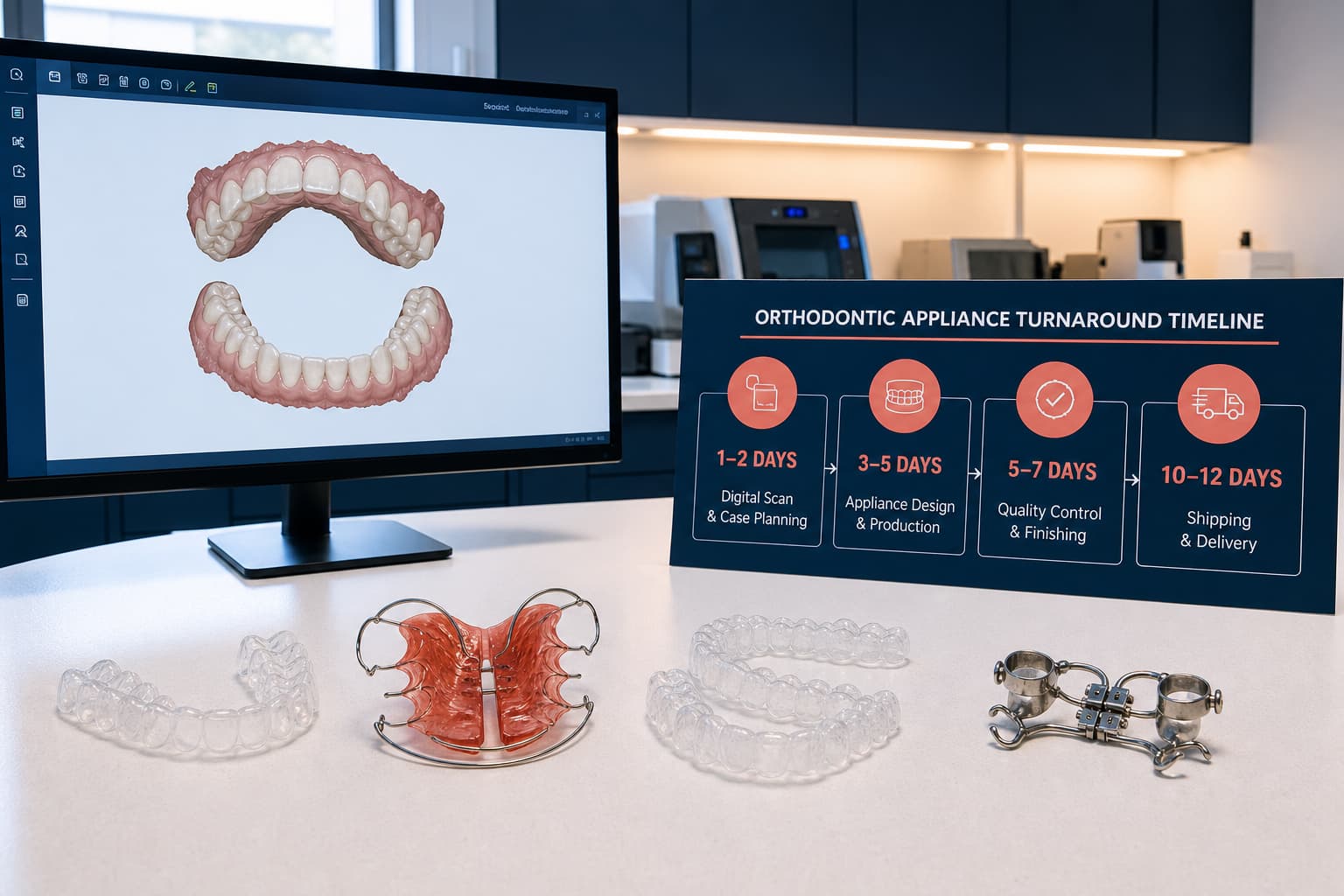
The traditional workflow of alginate impressions and manual soldering is rapidly being replaced by a digital-first approach. Modern orthodontic labs now utilize intraoral scans to create highly accurate digital models, eliminating the discomfort of traditional trays for pediatric patients.
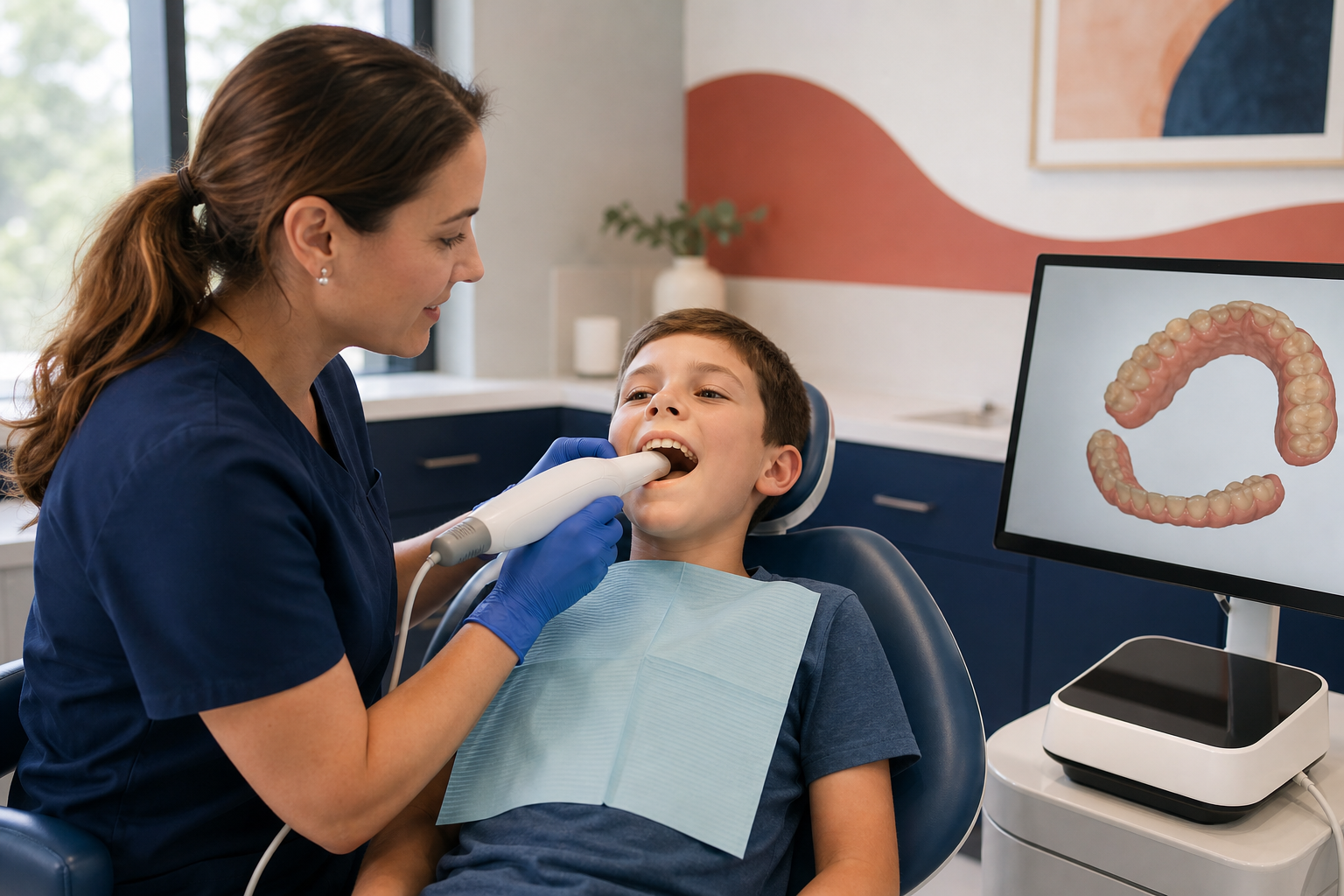
The 3D printing revolution in orthodontics has introduced novel ways to manufacture these devices with micron-level precision. By leveraging direct 3D printed orthodontic appliances, you can achieve a level of fit that reduces the chair time required for adjustments. Digital design allows for the pre-visualization of the appliance fit, ensuring that loops and bands interact perfectly with the patient’s anatomy before the device even reaches your clinic.
Managing Clinical Complications
It is essential to acknowledge that space maintainers are not without risks. They can facilitate plaque accumulation, leading to enamel demineralization, caries, or gingival inflammation. Fixed appliances may also suffer from cement dissolution or solder breakage over time, which can lead to the loss of the loop or soft tissue impingement.
Regular clinical monitoring – ideally every three to six months – is vital for success. You must evaluate the integrity of the appliance, the health of the surrounding tissues, and the eruption progress of the permanent teeth to determine the optimal moment for removal.
Transitioning to a digital workflow can significantly streamline the management of these pediatric cases. If you are looking to enhance the precision of your space maintenance treatments and reduce patient discomfort, consider integrating intraoral scanning into your diagnostic process. Explore how our digital lab services can support your clinic’s shift toward modern, precise orthodontic production.