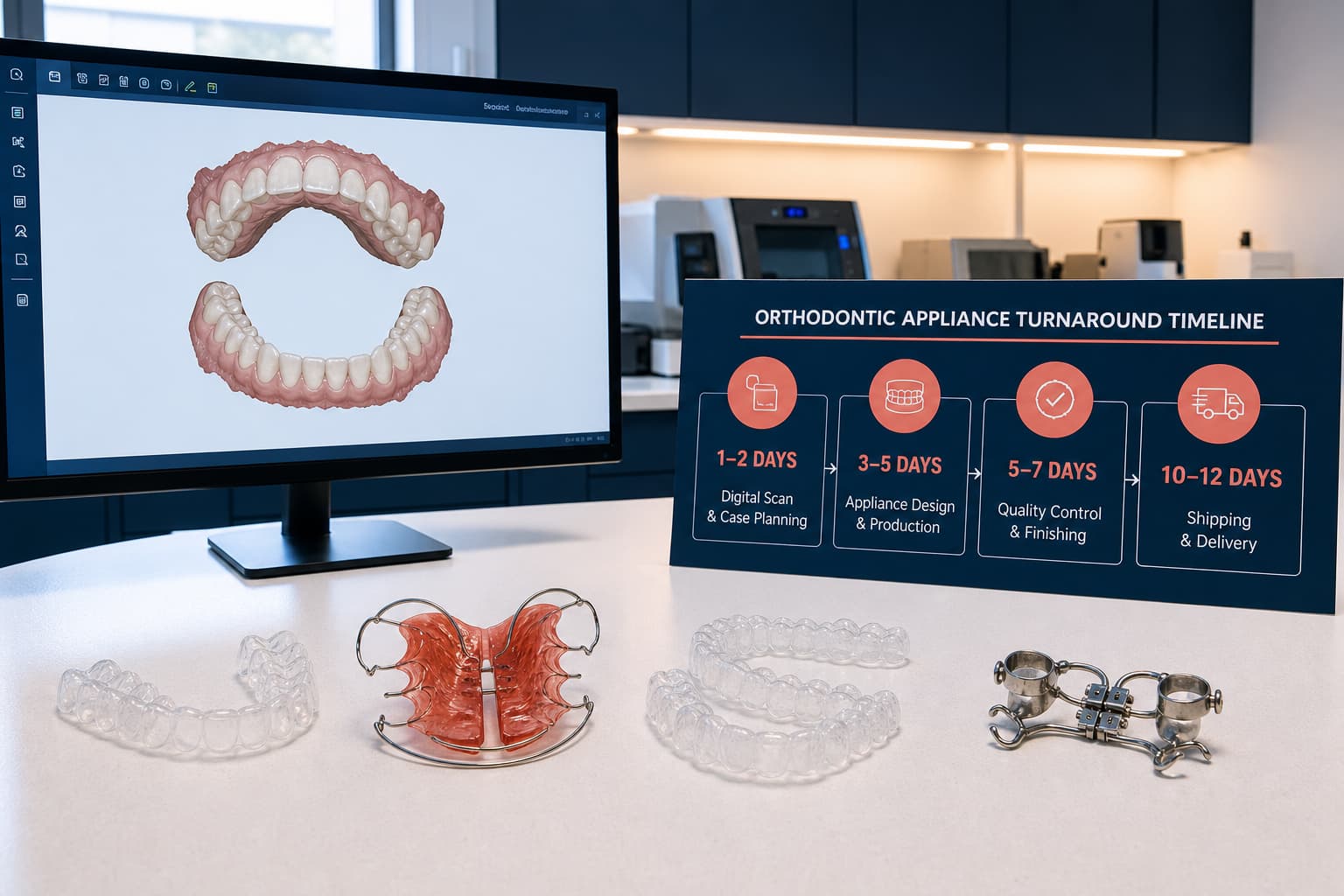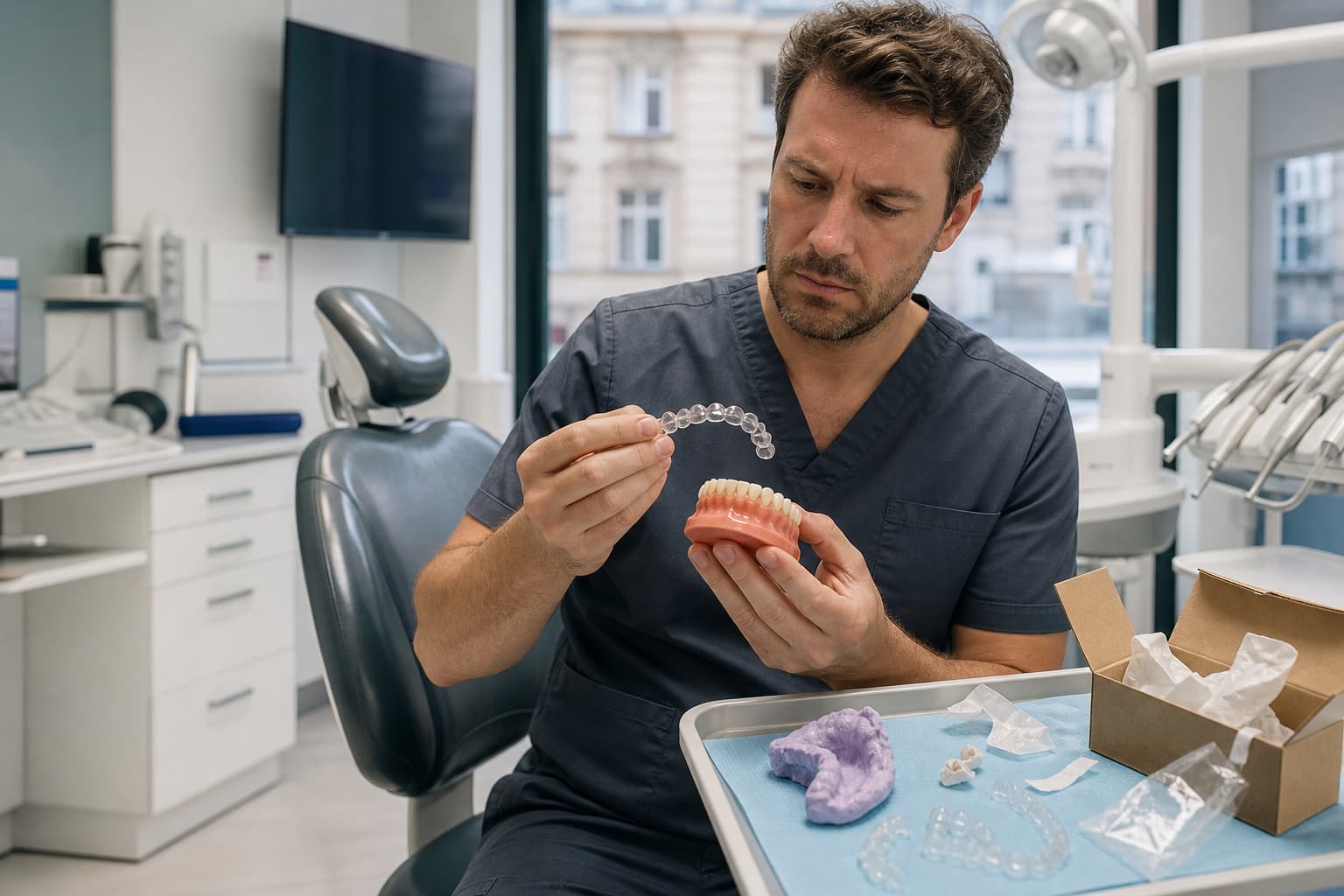
The average orthodontic appliance remake rate fluctuates between 4% and 7%, a metric that costs a typical practice upwards of €55,000 annually in lost chair time, wasted materials, and shipping fees. While many clinicians view remakes as an inevitable friction of laboratory production, most failures are not random occurrences. They are the measurable result of cumulative dimensional errors in traditional workflows or a breakdown in technical communication. Transitioning to high-precision manufacturing is the most direct path to improving your clinic’s operational margin.
Defining the Appliance Remake Rate KPI
Because no worldwide regulatory body mandates a standardized definition for "appliance remake rate," it remains a clinic-specific Key Performance Indicator (KPI). To gain actionable insights, you should define this metric as the percentage of appliances that require total fabrication due to fit issues, breakage upon delivery, or design discrepancies. Capturing this data transforms a vague frustration into a manageable financial target.
An effective remake tracking system categorizes errors into two distinct areas:
- Clinical Errors: These include distorted impressions, inadequate scan data (such as missing terminal molars or voids in the anatomy), or insufficient occlusal clearance provided in the prescription.
- Laboratory Errors: These involve improper expansion of stone models, poor CAD design, material shrinkage during curing, or finishing defects such as gingival impingement.
The Financial Burden of Fabrication Errors
The sticker price of a remake is often the least of your concerns. When an appliance fails to fit, your practice absorbs the cost of an unscheduled emergency visit, the loss of a productive chair-time slot, and the logistical burden of re-scanning or re-impressing the patient.
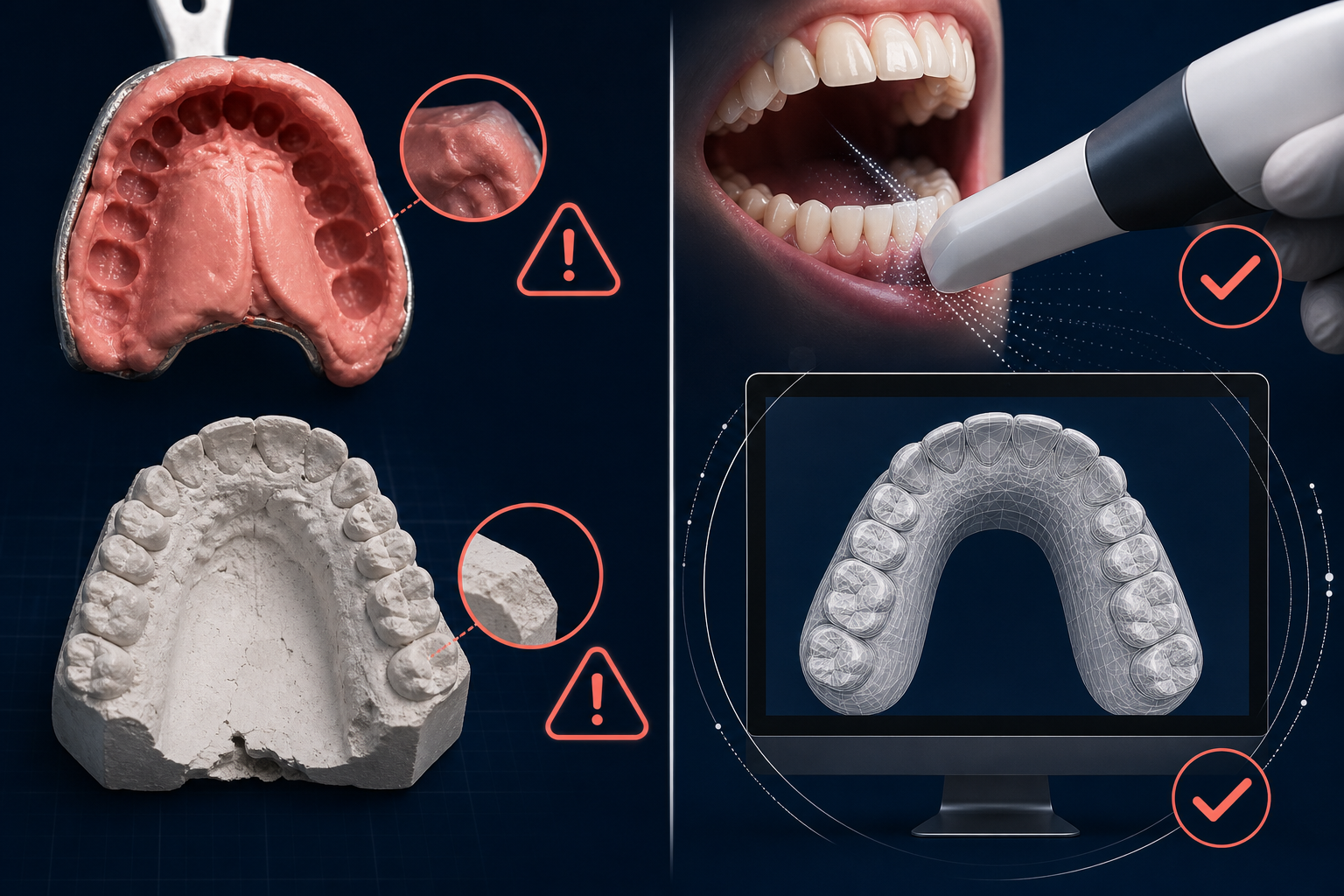
Traditional manual workflows involving alginate impressions and plaster casts suffer from higher error rates due to the dimensional instability of physical materials. In contrast, clinics that have adopted a digital workflow report significantly higher predictability and patient satisfaction. While the initial investment in intraoral scanners is significant, the reduction in remakes converts high-stress clinical appointments into routine, "first-time fit" successes.
Primary Drivers of Appliance Failure
Understanding why appliances fail allows you to implement targeted preventive measures and refine your internal protocols.
Dimensional Instability of Physical Media
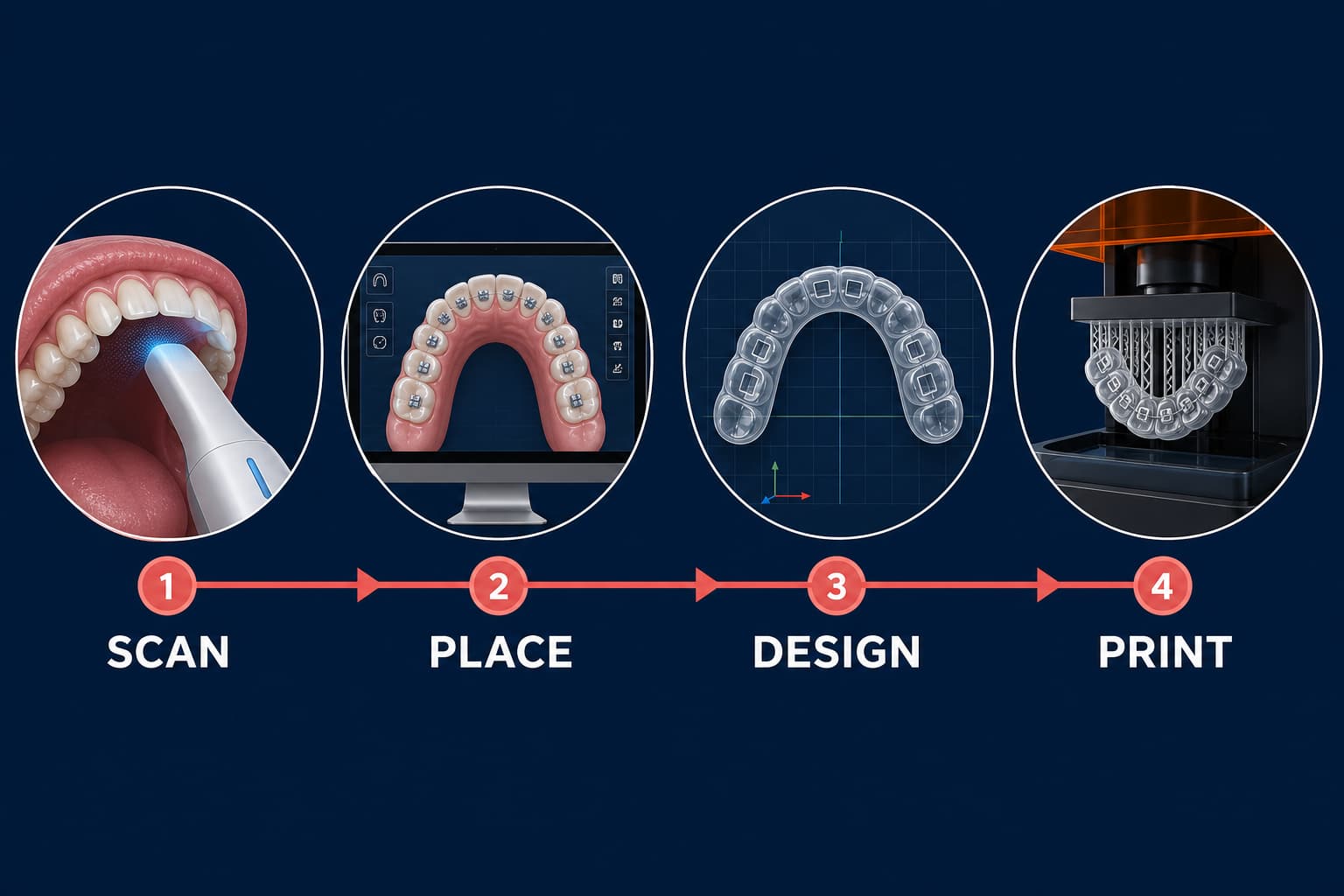
Traditional impressions are prone to distortion during transport and pouring. Even minor temperature fluctuations can cause alginate to shrink or expand, leading to a device that fits the stone model but fails in the mouth. Moving to STL files in orthodontics eliminates this risk by replacing physical media with a high-resolution digital mesh that does not degrade over time.
Ambiguous Clinical Prescriptions
A vague instruction such as "standard retainer" invites technician interpretation. If the lab’s internal standard does not align with your biomechanical goals, the appliance is technically correct but clinically useless. The orthodontic lab clinic communication remains the primary point of failure; successful clinics use digital portals to provide specific parameters for clasp placement, wire thickness, and acrylic extensions.
Cumulative Manufacturing Errors
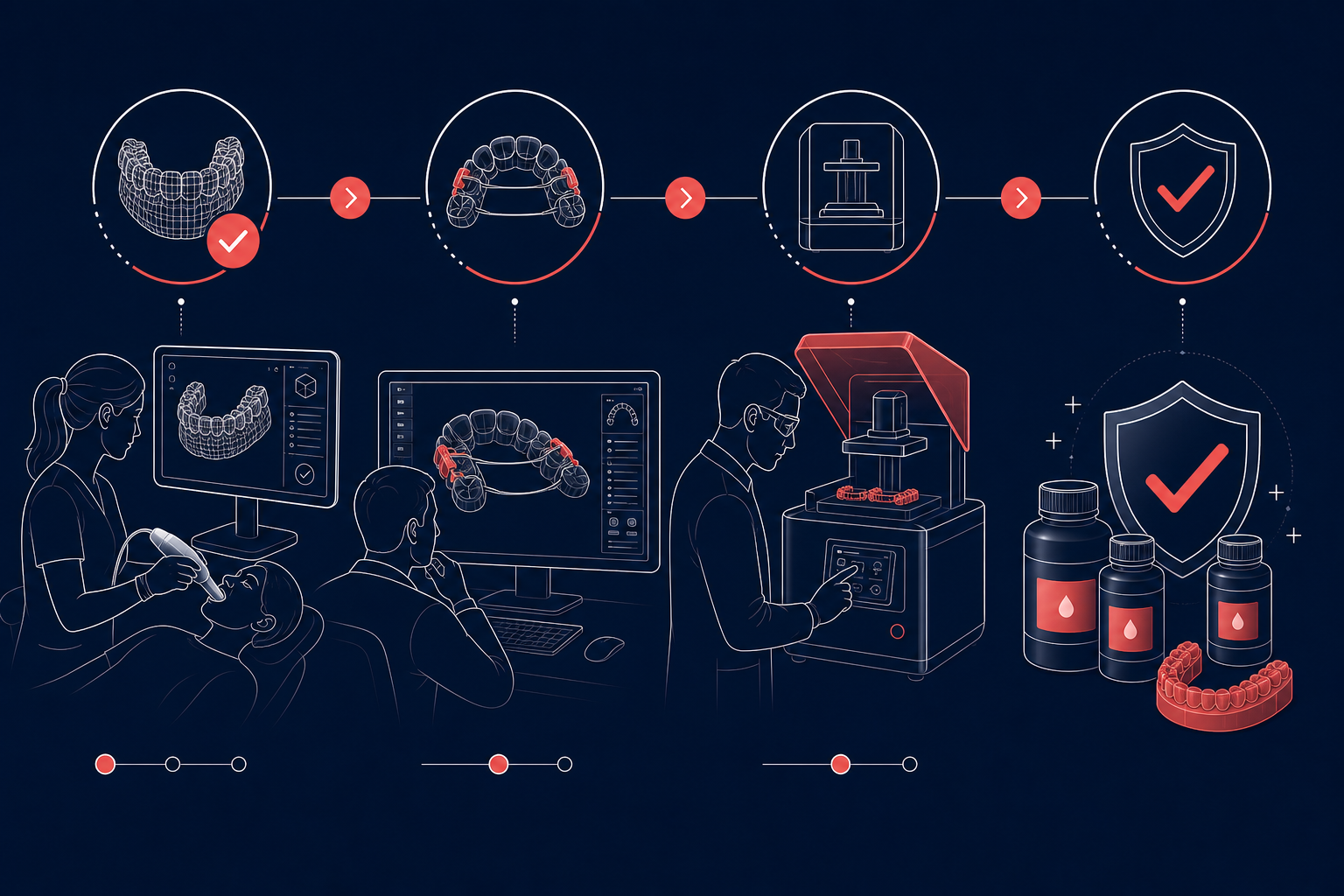
In traditional lab work, errors are additive. A slightly distorted impression leads to an inaccurate model, which leads to a poorly adapted wire. Modern orthodontic CAD software mitigates this by allowing technicians to visualize the appliance geometry in a 3D environment, ensuring that the design respects the patient’s anatomy before production begins.
Tactical Strategies to Minimize Production Errors
Reducing your remake rate requires a novel approach to quality control that spans both the clinic and the laboratory.
- Validate Scans at the Chairside: Before dismissing the patient, assistants should perform a mesh analysis to ensure the gingival margins and occlusal surfaces are captured without "holes" or digital noise.
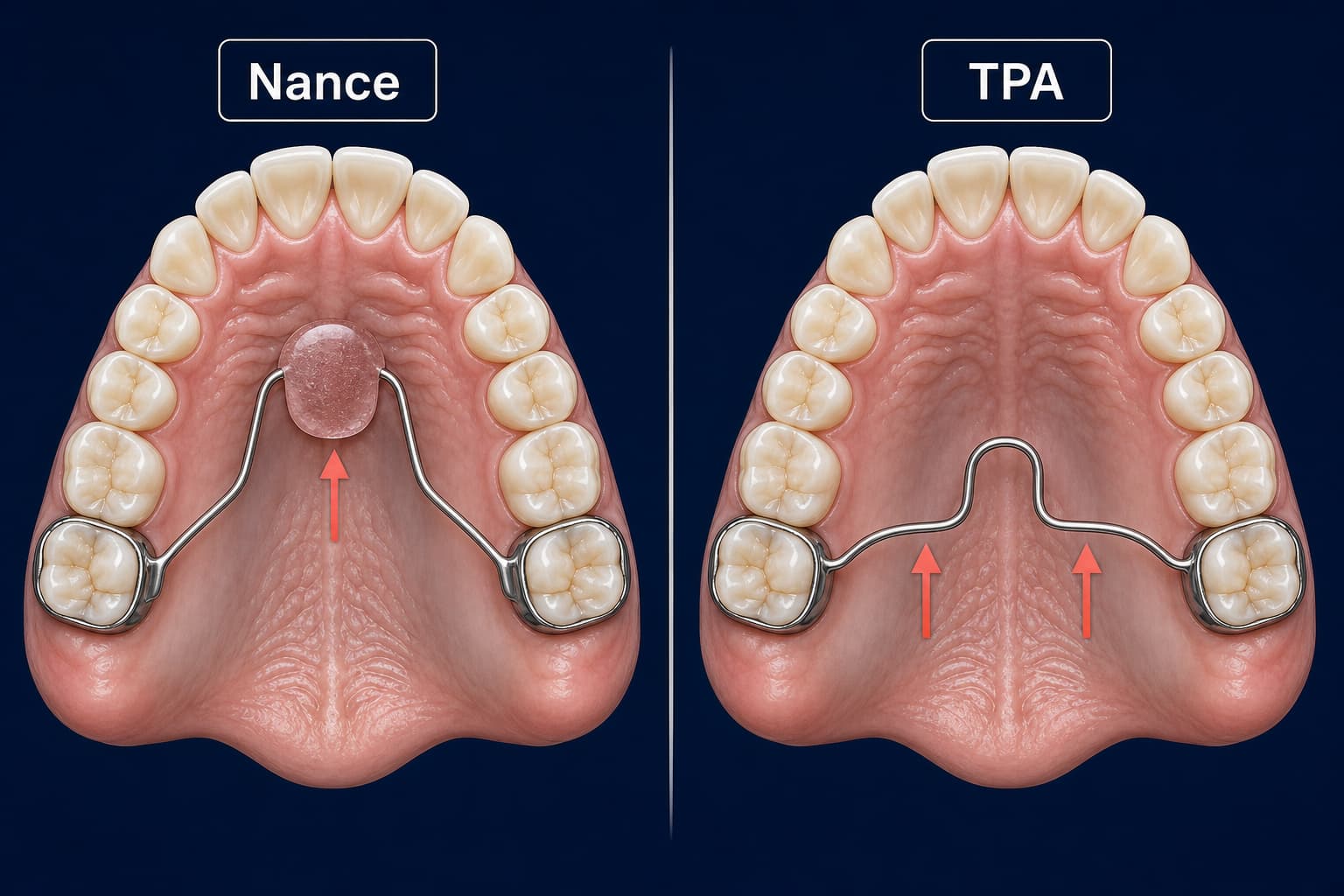
- Implement a Design Review Phase: Many digital labs now offer a "check-off" where you can review the CAD design of a complex appliance – such as a distalizer or a 3D-printed expander – before it is manufactured.
- Audit Lab Quality Protocols: Your partner should adhere to a multi-stage orthodontic lab quality control framework, including frequent calibration of 3D printers and validated nitrogen-purged curing cycles to prevent warping.
- Ensure Regulatory Compliance: Only use labs that utilize Class IIa certified, biocompatible resins. Poor material choice increases the risk of fracture and compromises orthodontic lab regulatory compliance.
Efficiency Through Precision Outsourcing
Choosing between in-house production and orthodontic lab outsourcing is often a question of who can maintain the lowest remake rate. While printing in-house offers speed, the orthodontic 3D printing cost often includes hidden expenses like failed prints and the high salary of a dedicated technician.
Outsourcing to a specialized digital laboratory allows your clinic to leverage industrial-grade manufacturing and a "closed-loop" communication system. This partnership ensures that every appliance – from simple Essix retainers to complex functional devices – is fabricated against a digital record that can be archived and reproduced without a new scan.
Maintaining a low remake rate is not an accident; it is the result of choosing a lab partner that prioritizes digital accuracy and rigorous validation. If you are ready to eliminate the cost of "do-overs" and streamline your workflow, contact Nordicdens today to discuss our precision-first production protocols.