Polyethylene terephthalate glycol (PETG) delivers superior optical clarity, high tensile modulus, and precise anatomical adaptation, making it the primary standard for aesthetic retainers and initial aligner stages. Conversely, polypropylene provides outstanding fracture toughness, hydrophobic moisture resistance, and exceptional chemical stability under acidic conditions, though its translucency and lower stiffness limit its visual appeal and active tooth-moving capability. Selecting between these thermoplastics requires you to balance immediate mechanical force delivery against long-term fatigue resistance and patient habit profiles.
Understanding the technical nuances between PETG and polypropylene helps you refine appliance selection, minimize laboratory remakes, and streamline your clinic's workflows.
Mechanical Properties and Force Delivery
The mechanical divergence between PETG and polypropylene stems from their molecular architecture. PETG is an amorphous copolyester, whereas polypropylene is a semi-crystalline polyolefin. This structural distinction dictates how each material responds to mechanical strain, wear, and continuous occlusal loads.
Elastic Modulus and Force Delivery
PETG features a high initial tensile modulus, delivering sustained mechanical forces upon insertion. This stiffness allows thin-walled appliances to transfer tooth-moving forces effectively during early treatment phases. However, single-layer PETG exhibits rapid stress relaxation over wear cycles.
Polypropylene possesses a lower elastic modulus and higher yield strain, causing it to deform plastically rather than fracture under severe bending stresses. While its lower rigidity renders polypropylene less suitable for primary tooth movement, it provides a flexible structure that absorbs impact energy effectively.
Wear Resistance and Fracture Toughness
In standardized laboratory wear tests, PETG demonstrates greater surface wear resistance against opposing enamel and restorative materials than softer polypropylene formulations, preserving its surface contour under continuous sliding contact.
Polypropylene exhibits far higher plastic-fracture work and superior resistance to fracture initiation. Under repeated flexural loading or heavy nocturnal bruxism, PETG is prone to notch-sensitivity cracking, whereas polypropylene absorbs mechanical energy without catastrophic brittle failure.
Chemical Stability and Environmental Degradation
The oral cavity exposes thermoformed appliances to fluctuating pH levels, mechanical friction, and constant moisture immersion.
Moisture Sensitivity and Thermoforming Defects
PETG is hygroscopic. When PETG sheets absorb ambient moisture, water trapped within the polymer matrix vaporizes into microscopic bubbles during heating, compromising optical clarity and structural integrity. Unsealed PETG sheets requiring thermoforming must be handled carefully; for instance, 0.5–2.0 mm sheets stored outside sealed bags need pre-drying for 5 hours at 60 °C before processing. Implementing strict protocols for orthodontic thermoforming prevents moisture-induced defects and maintains appliance fidelity.
Polypropylene is strictly hydrophobic. It does not absorb atmospheric moisture, eliminating the risk of steam bubbling during thermoforming and removing the need for pre-drying cycles.
Oral Environmental Degradation and Cleaning Agents
When exposed to simulated gastric acid, PETG experiences a pronounced drop in flexural strength due to hydrolytic degradation of its ester linkages. Water immersion and thermocycling lower Young's modulus in PETG aligner films, with thermocycled samples absorbing nearly 50% more water than samples subjected to immersion alone.
Polypropylene demonstrates exceptional chemical inertness. Three months of continuous exposure to artificial saliva, chlorhexidine, alcohol-based or alcohol-free mouthwashes, and effervescent cleaning tablets produces no statistically significant change in polypropylene's flexural modulus. Polypropylene retainers remain structurally intact regardless of routine chemical hygiene regimens.
Thermoforming Dynamics and Geometry Control
Thermoforming alters the physical dimensions of thermoplastic sheets. Vacuum and positive pressure forming stretch the heated sheet across the dental model, creating non-uniform wall thickness across the arch. You can analyze these dimensional shifts in detail when evaluating thermoforming material thickness in orthodontics.
Thickness Variations Post-Fabrication
Thermoforming reduces the nominal thickness of a sheet by 15% to 40% overall, with localized reduction reaching extreme levels:
- On pressure-thermoformed mandibular retainers made from 1 mm PETG, thickness at the mid-labial incisor region can decrease by up to 68%, leaving a residual wall thickness of approximately 0.32 mm.
- In laboratory comparative evaluations under pressure thermoforming, polypropylene retainers maintain a slightly thicker final wall dimension than PETG, typically measuring around 0.21 mm thicker.
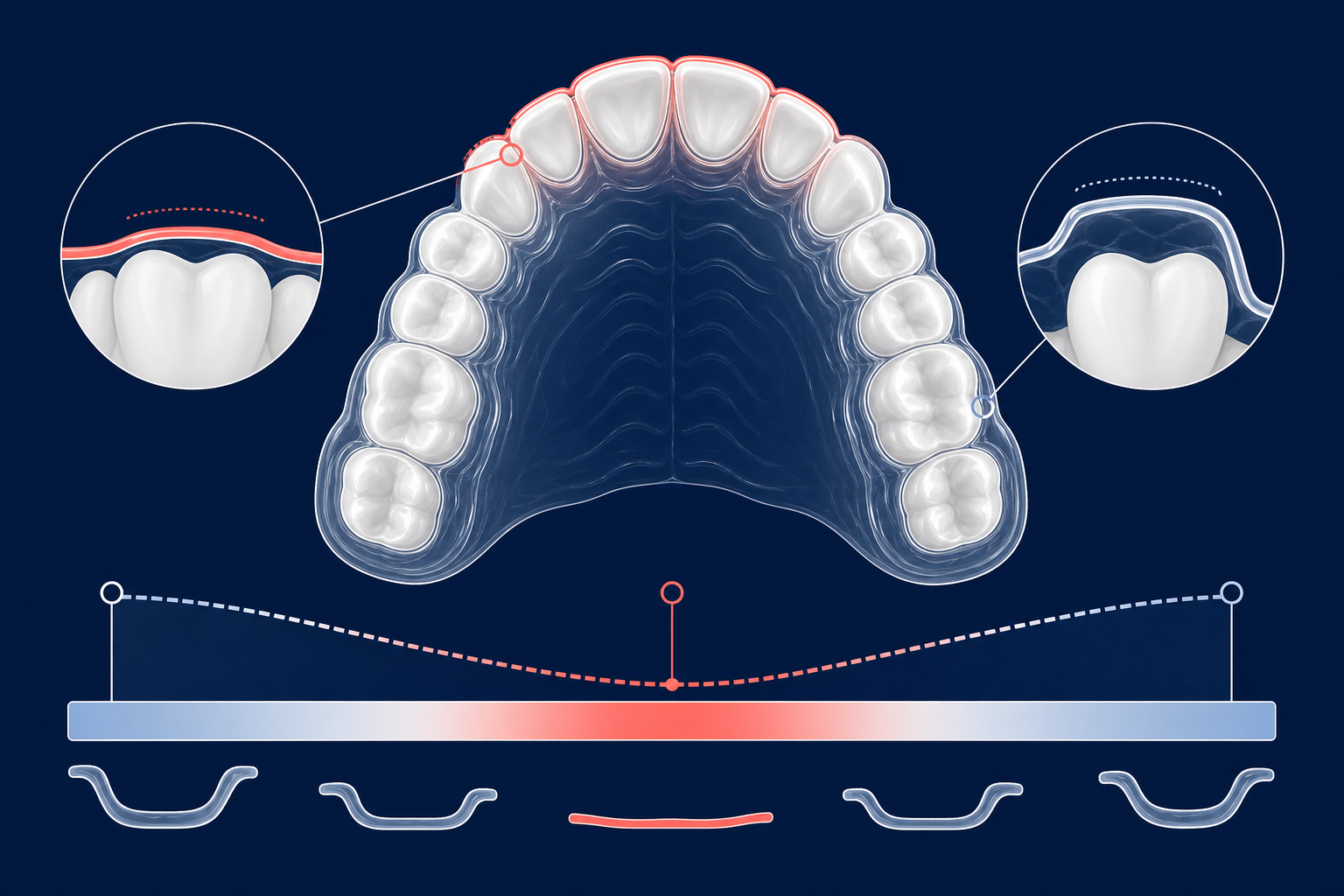
Because force delivery scales with the cube of material thickness, localized thinning dramatically alters appliance stiffness across the dental arch.
Model Adaptation and Detail Fidelity
PETG adapts tightly to underlying model geometry under pressure thermoforming, capturing crisp gingival margins and interproximal undercuts. Polypropylene adapts well under positive pressure units but exhibits slightly higher elastic recovery upon cooling, which can yield marginally looser interproximal engagement if processed under low-vacuum systems.
Clinical Indications: Aligners vs. Retainers
Selecting between PETG and polypropylene requires aligning material behavior with your specific clinical treatment goals.
Clear Aligners
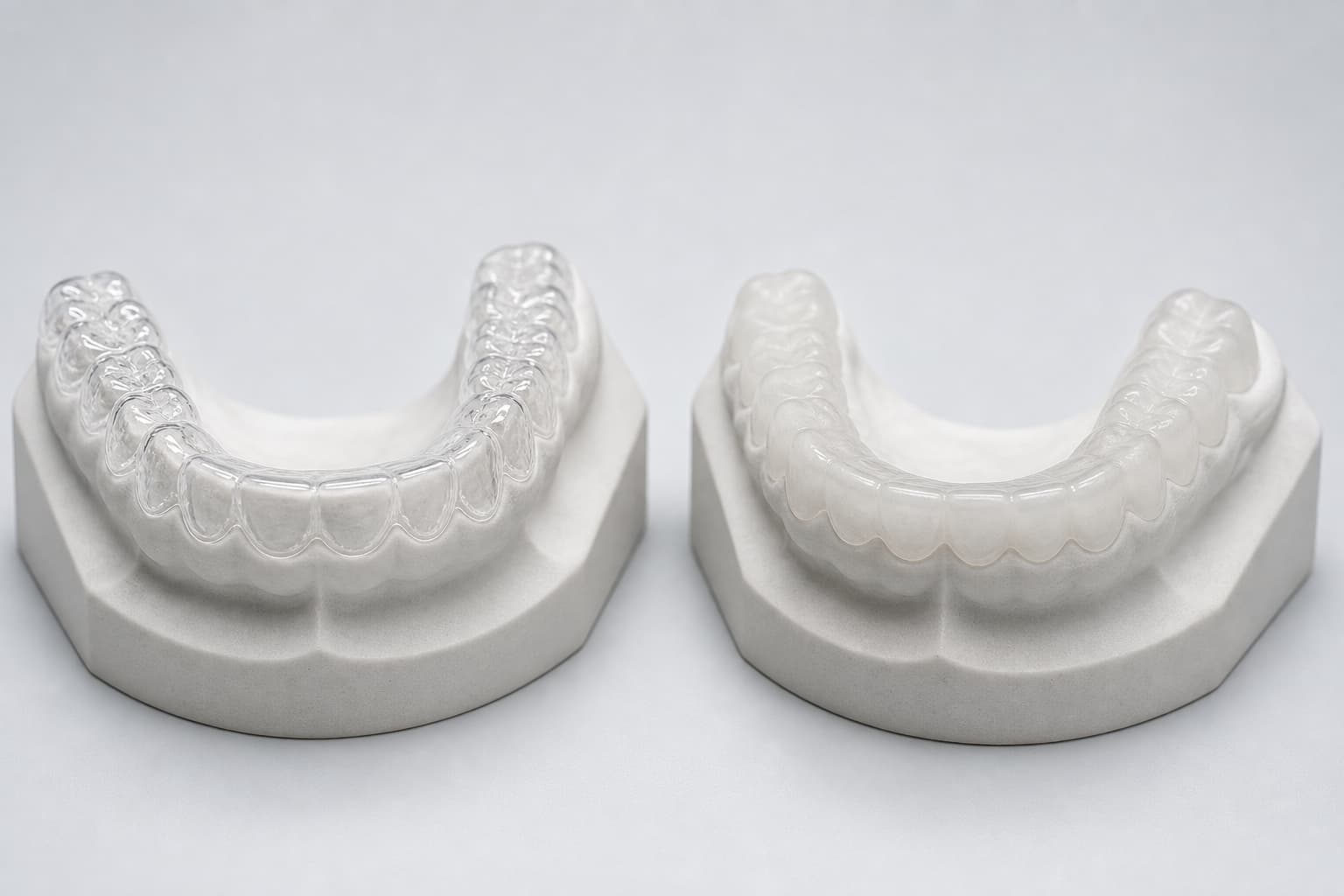
PETG is the established baseline for single-layer thermoformed clear aligners due to its initial stiffness and high transparency. Maintaining high aligner clarity and optical performance is critical for patient compliance during active therapy.
However, single-layer PETG aligners struggle to execute complex bodily movements – such as severe root torque or molar translation – without targeted attachments or auxiliary mechanics. For complex force delivery, single-layer PETG is increasingly supplemented by multilayer thermoforming materials or dedicated polyurethane formulations.
Polypropylene is rarely prescribed for active clear aligners. Its semi-crystalline structure produces a hazy appearance on teeth, and its lower modulus requires thicker geometry to deliver equivalent orthodontic forces.
Clear Retainers
When choosing between retainer materials, clinicians must balance aesthetics, durability, and patient habits:
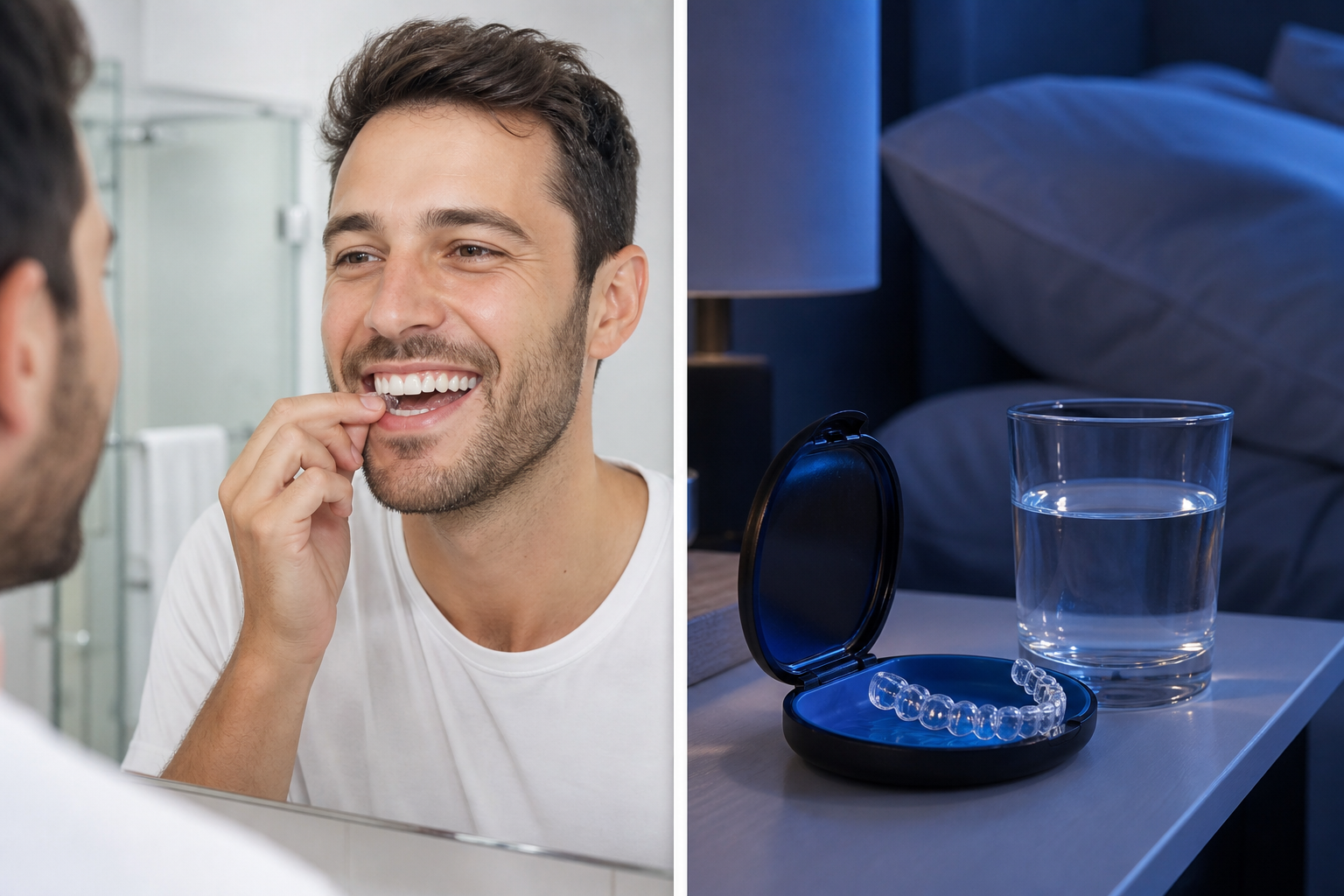
- PETG retainers are preferred for daytime compliance and immediate post-debond retention where visual clarity is paramount. However, they are susceptible to cracking in patients with severe nocturnal bruxism or chemical degradation in patients with gastroesophageal reflux disease.
- Polypropylene retainers are preferred for long-term night wear, bruxism-prone patients, or clinical cases requiring flexible, fatigue-resistant appliances. Reviewing the overall trade-offs of Hawley retainers versus clear retainers helps contextualize where polypropylene fits within your retention philosophy.
Production Integration and Digital Workflow
Achieving consistent results with thermoformed appliances depends heavily on your laboratory setup and dental model preparation.
Whether you form PETG or polypropylene, the fidelity of the final device is tied directly to your overall clear aligner fabrication process. 3D-printed resin models must be fully post-cured and completely dry prior to sheet adaptation to prevent gas release or surface adhesion failures during heating.
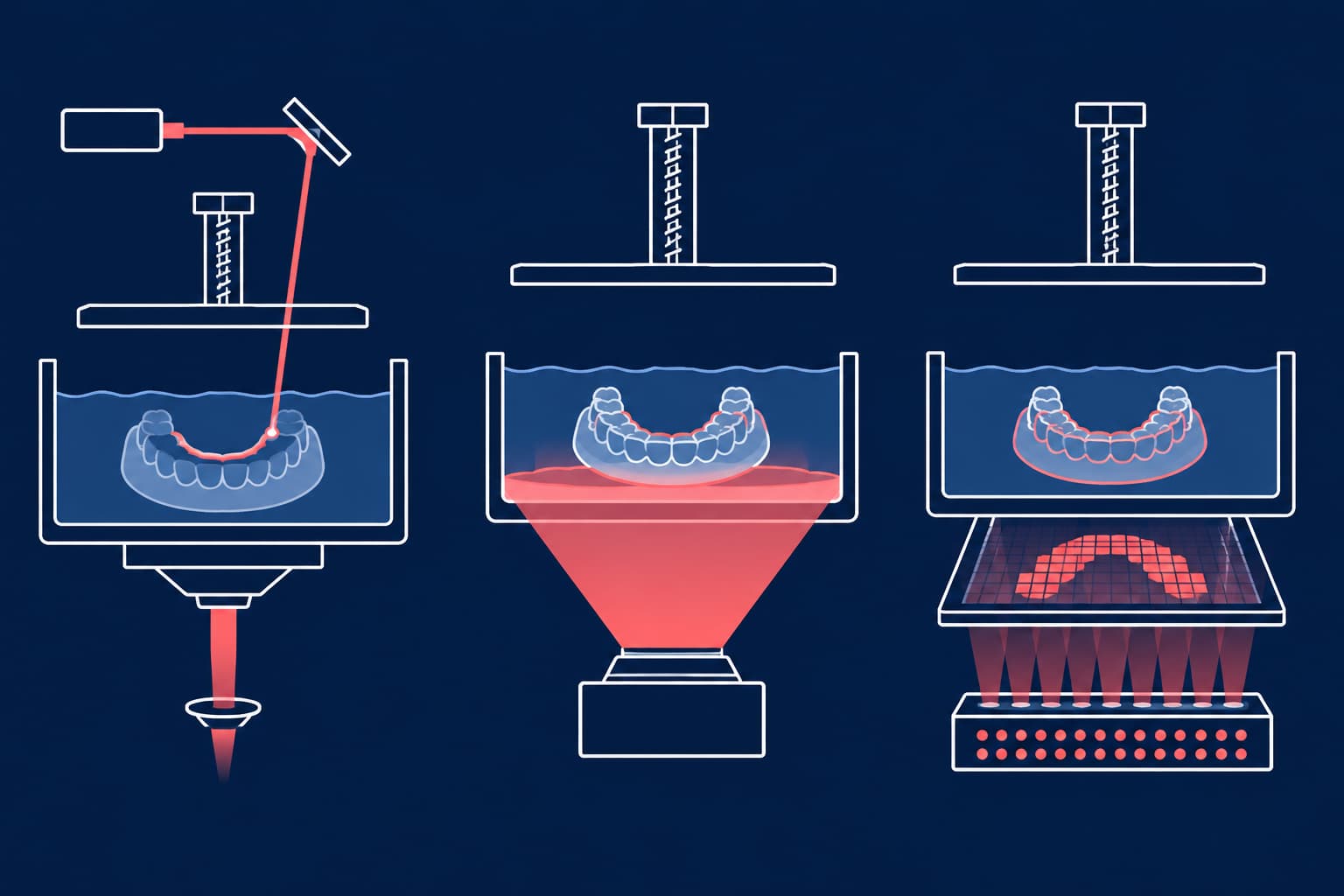
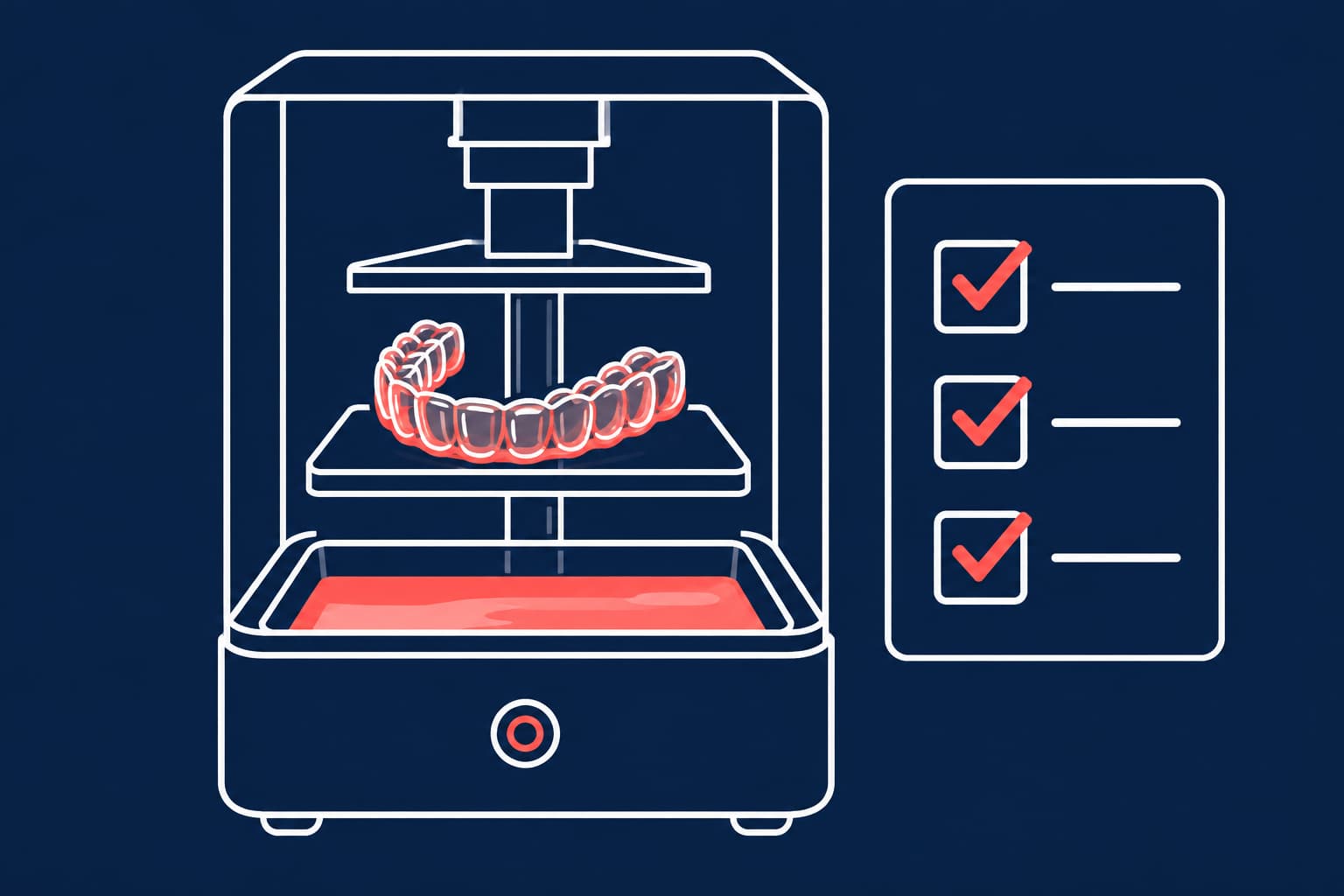
To bypass the mechanical variations, thinning profiles, and moisture sensitivity inherent to sheet thermoforming, leading orthodontic practices are expanding into direct 3D-printed appliances. Direct printing removes thermoforming entirely, allowing you to design variable wall thicknesses, eliminate thermoforming thinning defects, and utilize resins engineered specifically for long-term force retention and flexibility.
Partner with Nordicdens for Advanced Appliance Manufacturing
Selecting the ideal polymer profile ensures predictable clinical outcomes and reduces remakes. Whether your clinic utilizes PETG thermoforming sheets for high-transparency stages, relies on polypropylene for durable retention, or is exploring direct 3D printing, partnering with a specialized orthodontic laboratory accelerates your digital integration.
Nordicdens provides precision orthodontic production across the Baltics and Scandinavia. We combine material science expertise with digital manufacturing to help clinics produce high-accuracy 3D-printed models, direct-printed appliances, and custom thermoformed devices. Contact the team at Nordicdens today to discuss your material preferences, streamline your lab workflows, and enhance your appliance quality.