Selecting an orthodontic laboratory partner directly dictates your practice’s clinical predictability, chairside efficiency, and financial health. While remaining with a familiar vendor might feel like the path of least resistance – sparing your team the administrative friction of updating clinic protocols – staying with a lab that suffers from inconsistent fits, vague communication, or unreliable delivery windows silently erodes practice margins. Unscheduled remakes and wasted chair time quickly eclipse any minor savings on base appliance fees.
To evaluate potential laboratory partners objectively and eliminate operational risk, benchmark prospective vendors against these seven core criteria.
Regulatory Compliance and Quality Management
Custom orthodontic appliances must comply with strict statutory standards. Under the EU Medical Device Regulation (MDR 2017/745), laboratories producing custom devices must maintain detailed technical documentation, appoint a Person Responsible for Regulatory Compliance (PRRC), and verify that all materials meet General Safety and Performance Requirements.
Partnering with a fully compliant facility protects your clinic against regulatory liability and patient safety risks. Ensure your prospective laboratory operates under a verified quality management system aligned with ISO 13485:2016 and uses certified Class IIa biocompatible materials across thermoforming and direct additive manufacturing processes. Reviewing an operational partner’s approach to orthodontic lab regulatory compliance provides immediate insight into their commitment to safety and precision.
- Checklist verification: Request the laboratory’s MDR compliance documentation, ISO certifications, and material safety data sheets (MSDS) for all resins and thermoforming materials.
Appliance Remake Rates and Redo Policies
A low base price quickly becomes expensive when appliances require remakes. The average orthodontic appliance remake rate across the dental industry hovers between 4% and 7%. Every ill-fitting device consumes high-value chair time, requires uncomfortable re-scans, and undermines patient confidence in your care.
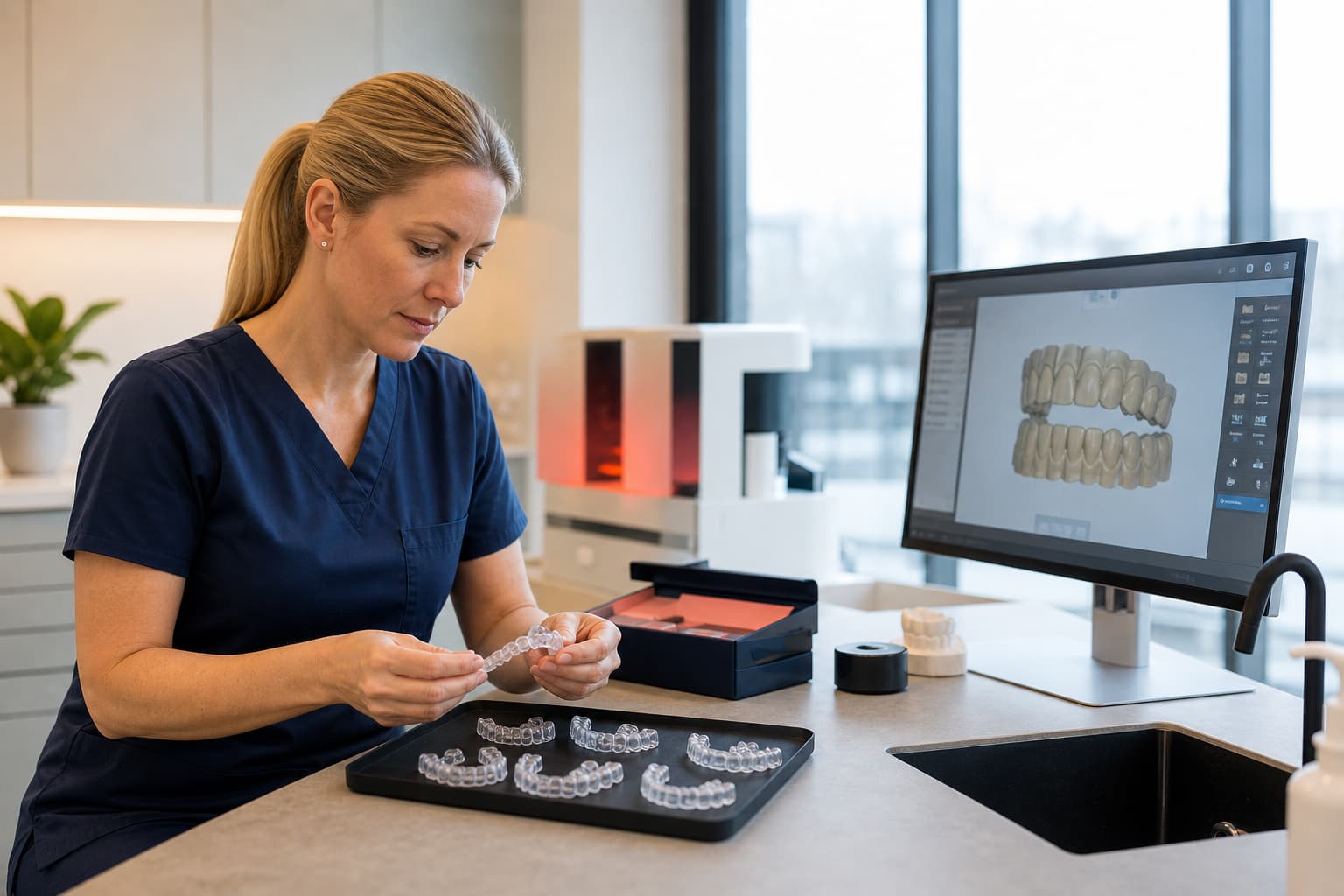
A reliable laboratory maintains a robust orthodontic lab quality control system to keep internal error rates near zero. When evaluating potential partners, look beyond sales claims and examine how they handle production tolerances, error logging, and warranty coverage when fit issues arise.
- Checklist verification: Ask for the laboratory’s tracked remake percentage and request a written copy of their warranty policy for remake cases.
Digital Workflow Integration and Open Formats
Modern orthodontic efficiency relies on seamless digital data transfer. Moving away from traditional impression trays toward intraoral scanning requires a partner capable of processing complex digital datasets without friction.
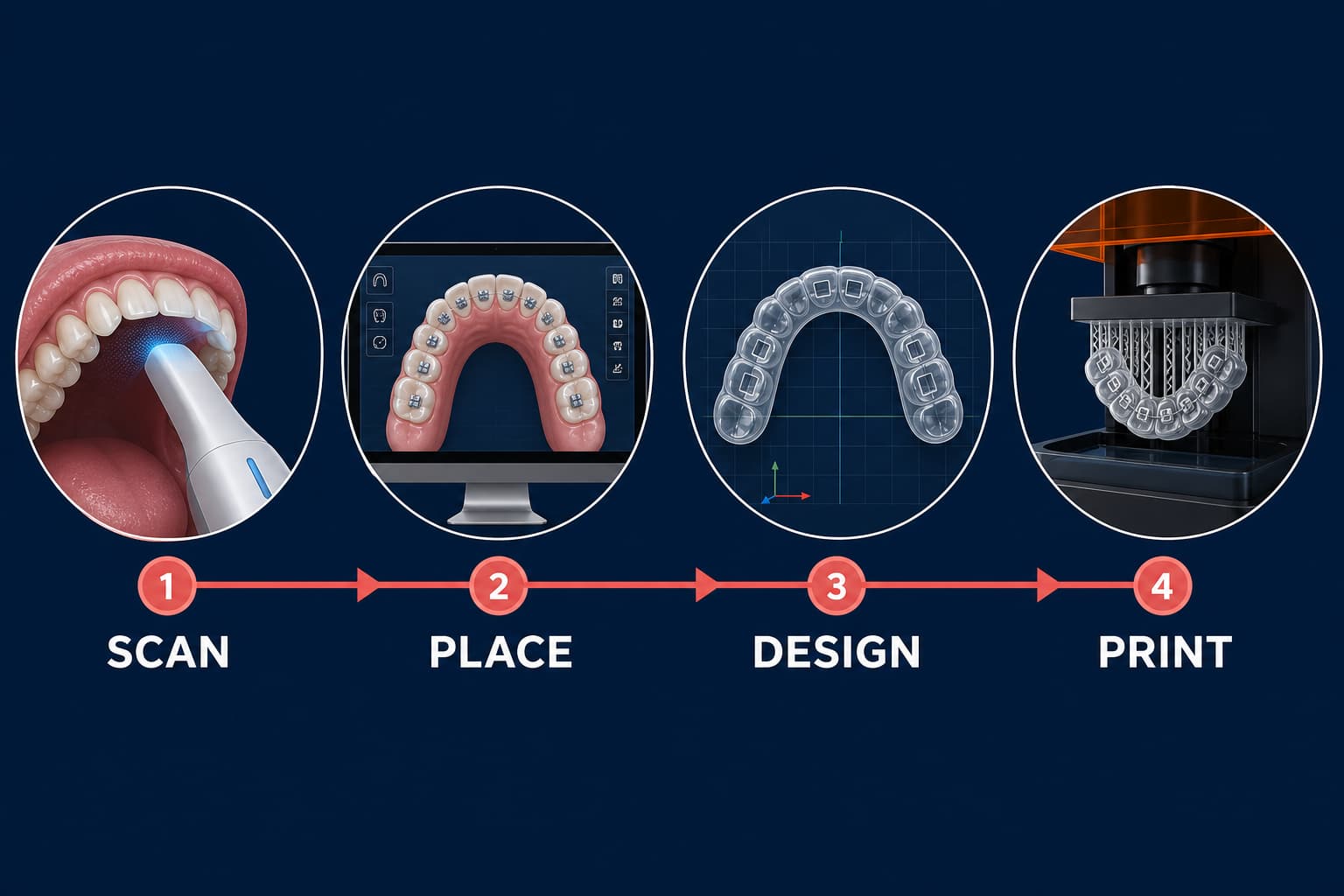
Your lab partner should natively ingest open STL files and PLY exports from any scanner brand, including 3Shape TRIOS, iTero, and Medit. Adopting a continuous digital workflow from intraoral scan to appliance eliminates physical model freight costs, accelerates turnarounds, and improves appliance accuracy.
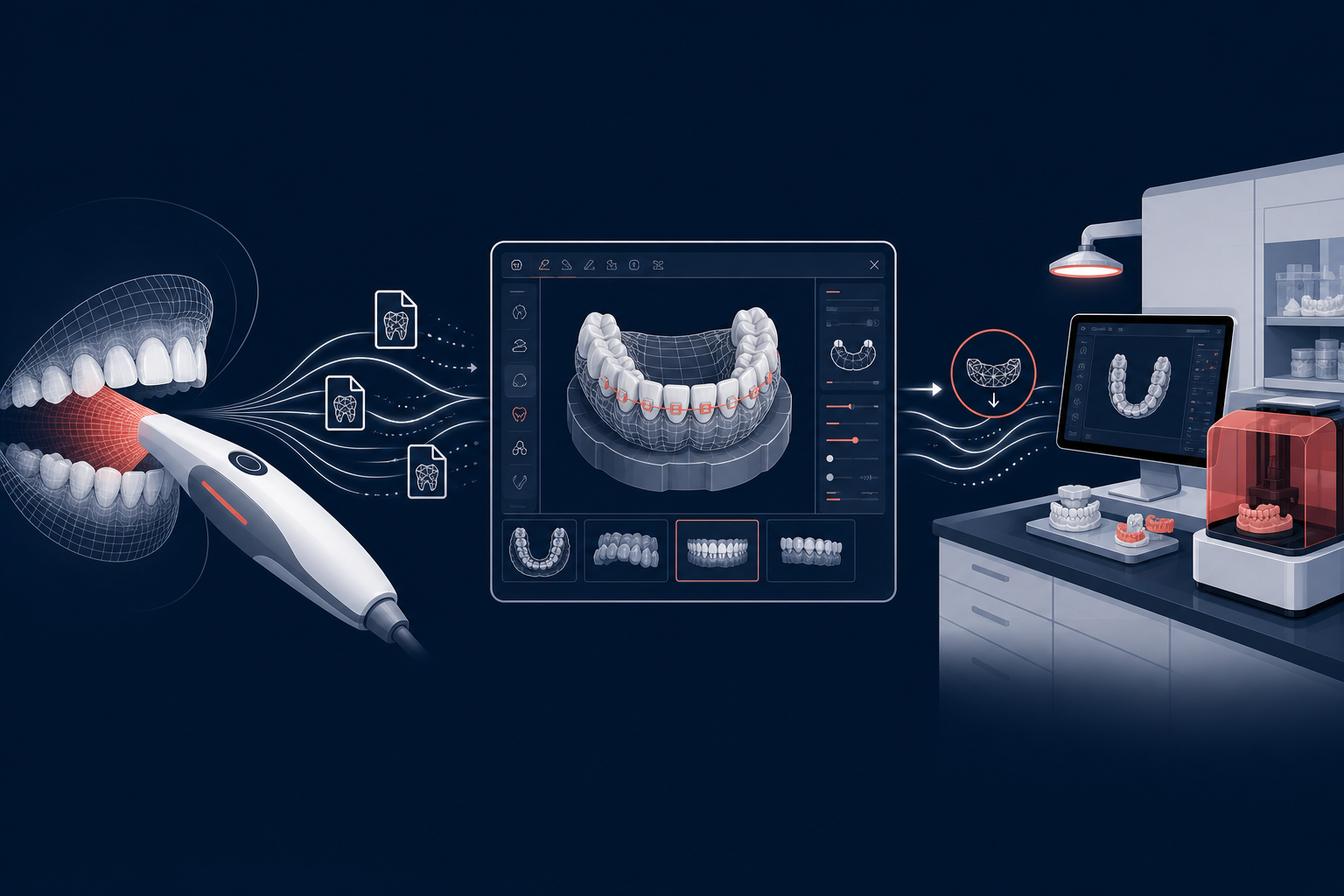
- Checklist verification: Test the laboratory’s intake protocol by submitting sample STL files to evaluate their CAD design turnaround and file validation processes.
Advanced Additive Manufacturing and Material Options
The orthodontic industry is rapidly transitioning from manual plaster-and-wire fabrication to direct 3D printing and advanced polymer processing. Laboratories equipped with modern additive manufacturing deliver tighter tolerances, refined aesthetics, and superior material consistency.
Seek a vendor offering both direct 3D-printed appliances and thermoformed solutions. Direct-print technology allows the fabrication of aligners, retainers, and indirect bonding trays directly from CAD files without physical model expansion errors. Furthermore, progressive laboratories maintain long-term digital case archives, enabling you to produce replacement retainers years later without requiring a new patient scan.
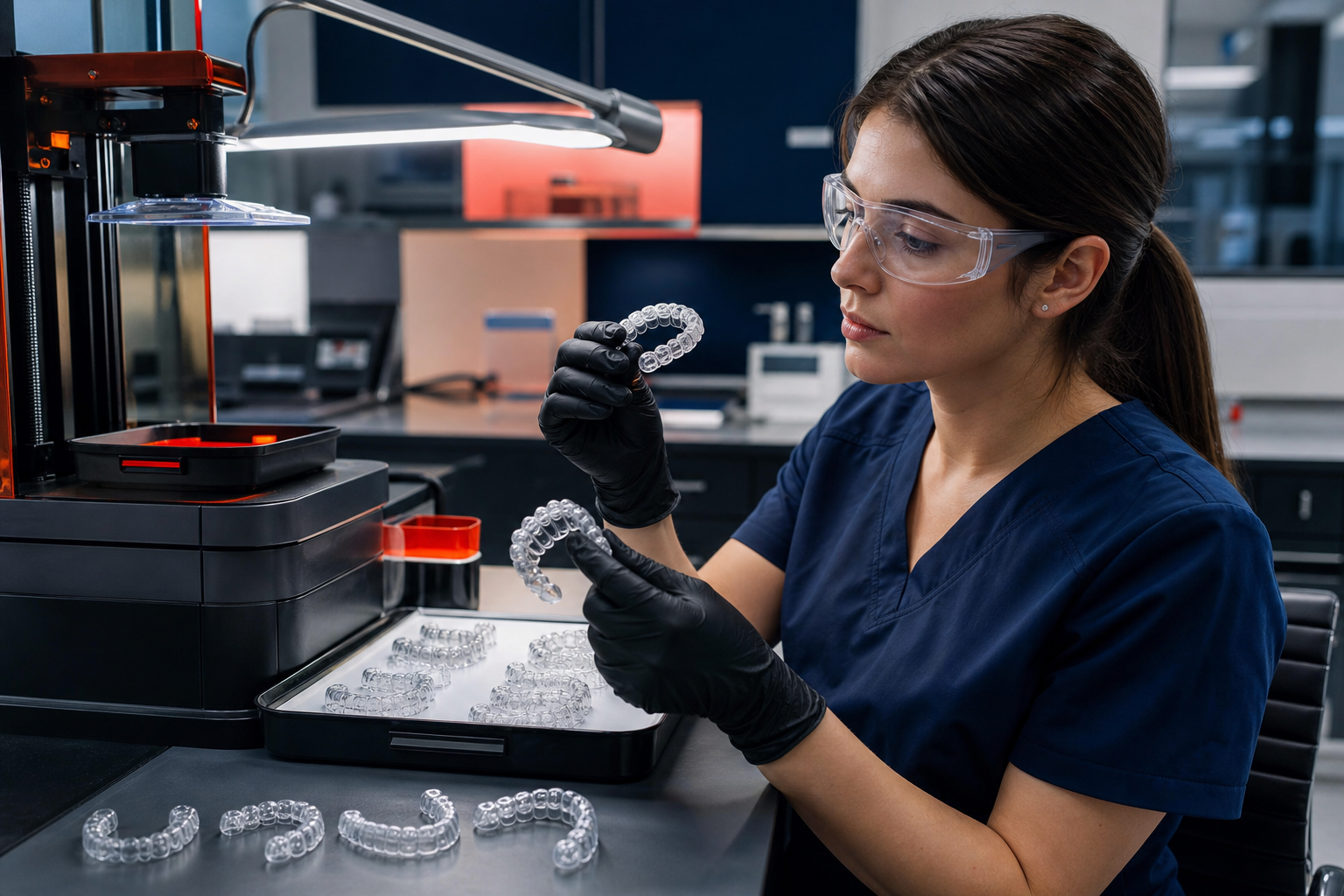
- Checklist verification: Confirm whether the lab offers direct 3D-printed appliances alongside thermoforming, and ensure they provide perpetual digital file archiving.
Dedicated Communication Portals and Data Governance
Information gaps drive over 80% of laboratory remakes. Vague prescriptions, scattered email chains, and lost physical paperwork introduce unnecessary risk into routine clinical cases.
Effective orthodontic lab clinic communication requires a centralized digital portal where clinicians submit detailed prescriptions, upload clinical photography, and track manufacturing progress in real time. Standardized digital submission also secures patient data, ensuring full compliance with GDPR and data privacy frameworks.
- Checklist verification: Confirm that the laboratory uses an encrypted portal for case submissions, prescription customization, and live order tracking.
Turnaround Schedule Predictability
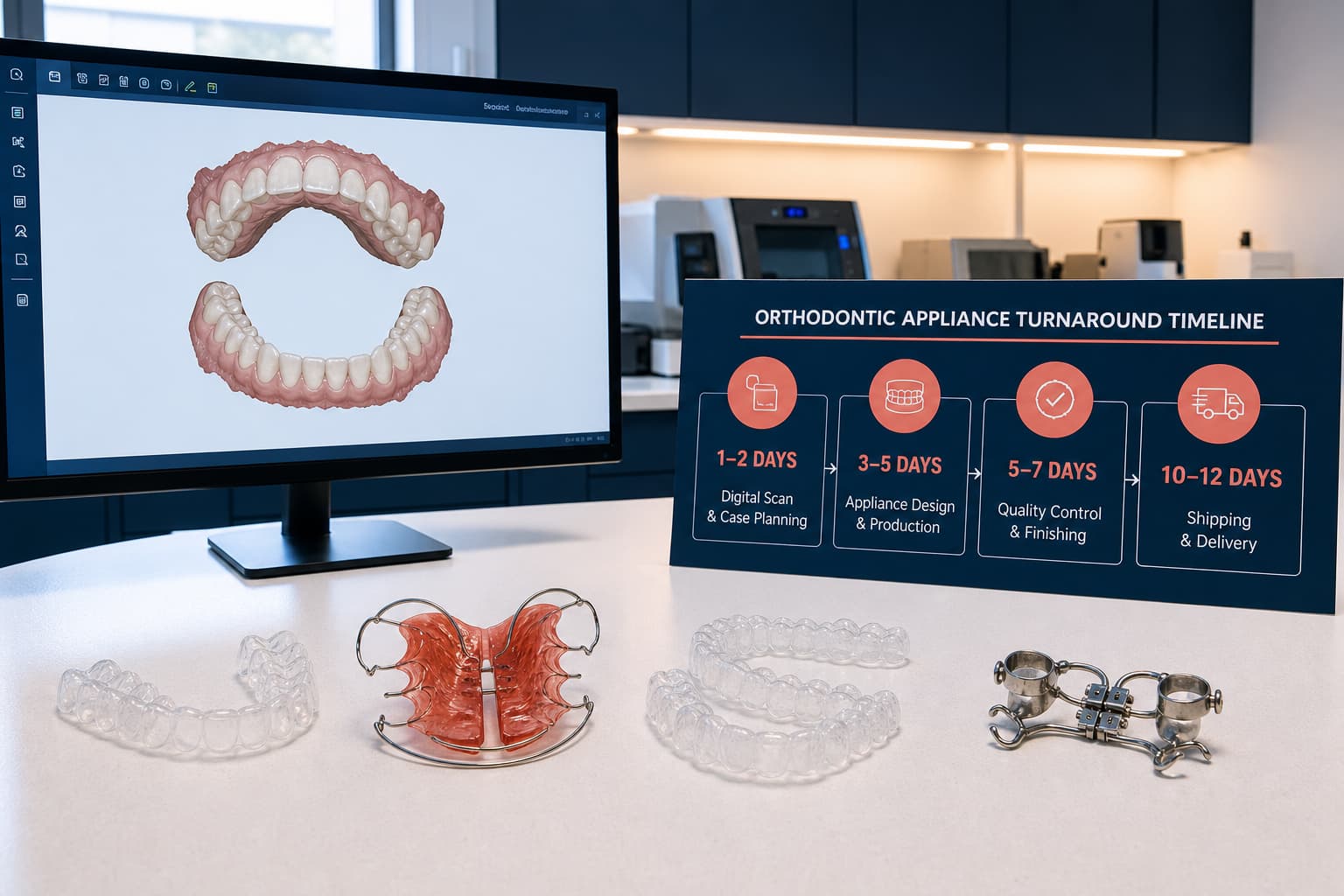
Fabricating appliances in-house offers immediate local control, but managing printing, washing, curing, and finishing during clinic hours taxes auxiliary staff and limits scalability. Strategic orthodontic lab outsourcing turns labor-intensive manufacturing into a predictable operational cost backed by specialized technical expertise.
However, outsourcing requires unyielding delivery schedules. Unpredictable turnarounds leave clinic chairs empty, disrupt patient schedules, and compromise treatment timelines.
- Checklist verification: Inquire about guaranteed turnarounds for routine retainers versus complex functional devices, and evaluate how the lab handles seasonal volume surges.
Transparent, Total-System Pricing
A low upfront price on a lab fee schedule rarely reflects the true operational expense. Hidden charges for model printing, CAD design time, material adjustments, or shipping fees can quickly inflate your actual unit costs.
When analyzing orthodontic lab pricing models, calculate the total cost per delivered appliance. Clear per-item billing or all-inclusive bundled pricing provides total expense visibility, allowing you to set patient fees accurately and preserve practice operating margins.
- Checklist verification: Request an itemized fee schedule detailing CAD design fees, base fabrication, material options, and shipping costs to ensure complete financial predictability.
Vendor Evaluation Matrix
| Evaluation Criteria | Key Consideration | Action Item |
|---|---|---|
| Compliance | MDR alignment, ISO 13485:2016, Class IIa materials | Verify technical documentation and PRRC oversight |
| Remake Metrics | Low error rate (<4%), predictable fit | Review redo policy and historical remake metrics |
| Digital Workflow | Seamless ingest of open STL/PLY files | Submit test scans from your intraoral scanner |
| Manufacturing | Direct 3D printing and thermoformed flexibility | Confirm material options and digital file archiving |
| Communication | Portal-based prescription tracking and GDPR compliance | Evaluate case management platform security |
| Turnaround Time | Strict scheduling reliability for just-in-time delivery | Confirm guaranteed delivery windows |
| Pricing Transparency | Complete cost visibility with no hidden surcharges | Compare total system costs per appliance |
Elevating Your Practice Standards
Systematically evaluating prospective laboratory partners against these criteria safeguards your clinical efficiency, eliminates administrative friction, and ensures consistent quality for every patient you treat.
NordicDens supports orthodontic practices across the Baltics and Scandinavia with direct 3D-printed appliances, streamlined digital workflows, and complete pricing transparency. Create your practice account to upload your first case, or explore our full library of insights on our orthodontic blog to continue refining your digital workflow.