Up to 80% of dental laboratory remakes originate from clinic-side errors during data collection or documentation. When an orthodontic lab places a case on hold, your practice immediately absorbs the financial and operational fallout: lost chair time, unscheduled emergency visits, and delayed patient treatment. While it is tempting to view lab delays as manufacturing oversights, the vast majority of rejections stem from subtle defects in physical impressions, corrupted 3D scan meshes, or ambiguous prescription parameters. Identifying and resolving these data capture discrepancies before file submission protects your schedule and ensures predictable appliance fabrication.
Physical Impression Failures: Anatomy, Voids, and Timing
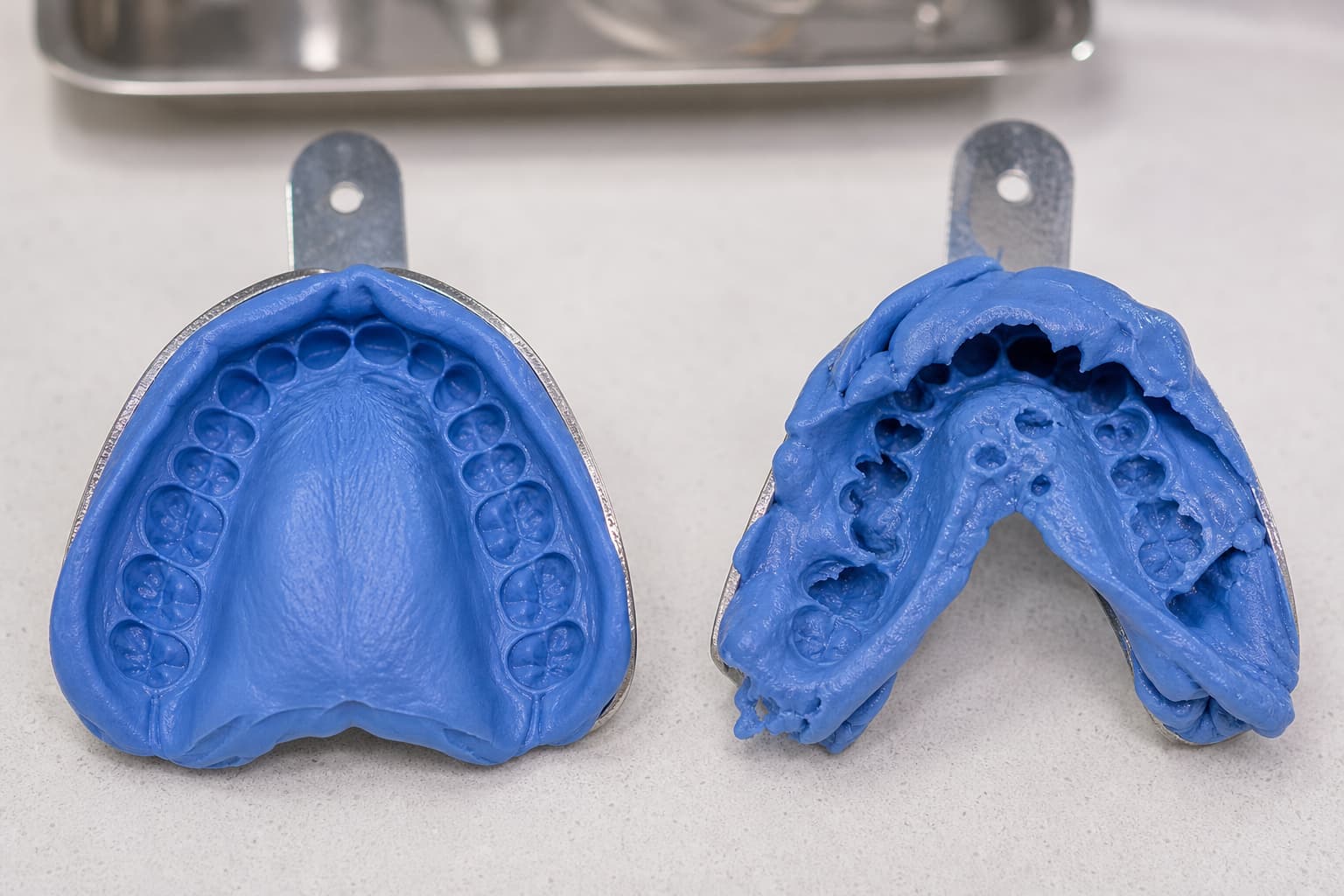
Physical impressions remain vulnerable to material deformation, clinical technique variations, and environmental degradation. When an impression fails pre-production inspection, it typically suffers from one of three structural defects:
- Missing Gingival and Tooth Anatomy: Orthodontic appliances rely on soft tissue landmarks and complete crown contours for retention and biomechanical leverage. A viable PVS or alginate impression must capture full occlusal anatomy along with 2–4 mm of clear gingival tissue beyond the cervical margins. Incomplete terminal molar coverage or blended tooth-gingiva junctions force technicians to estimate border extensions, triggering an immediate case hold.
- Voids, Bubbles, and Trapped Moisture: Saliva, blood, or trapped air near occlusal pits and sulci create negative spaces on stone casts. Bleeding the mixing tip before loading, keeping the syringe tip continuously immersed in the wash material, and thoroughly drying the arch prior to seating eliminate internal air pockets and drags.
- Tray Distortion and Pouring Windows: Inappropriately sized or flexible impression trays bow under pressure, distorting the arch width. For alginate impressions, pouring stone between 10 minutes and 1 hour after impression taking prevents dimensional shifts caused by syneresis or imbibition. For PVS materials, pouring too quickly before complete hydrogen outgassing causes surface micro-pitting in stone models.
Clinicians evaluating digital impressions vs. physical impressions routinely find that digital workflows eliminate many of these chemical and material handling risks.
Intraoral Scan Defects: Mesh Holes, Distortion, and Boundary Errors
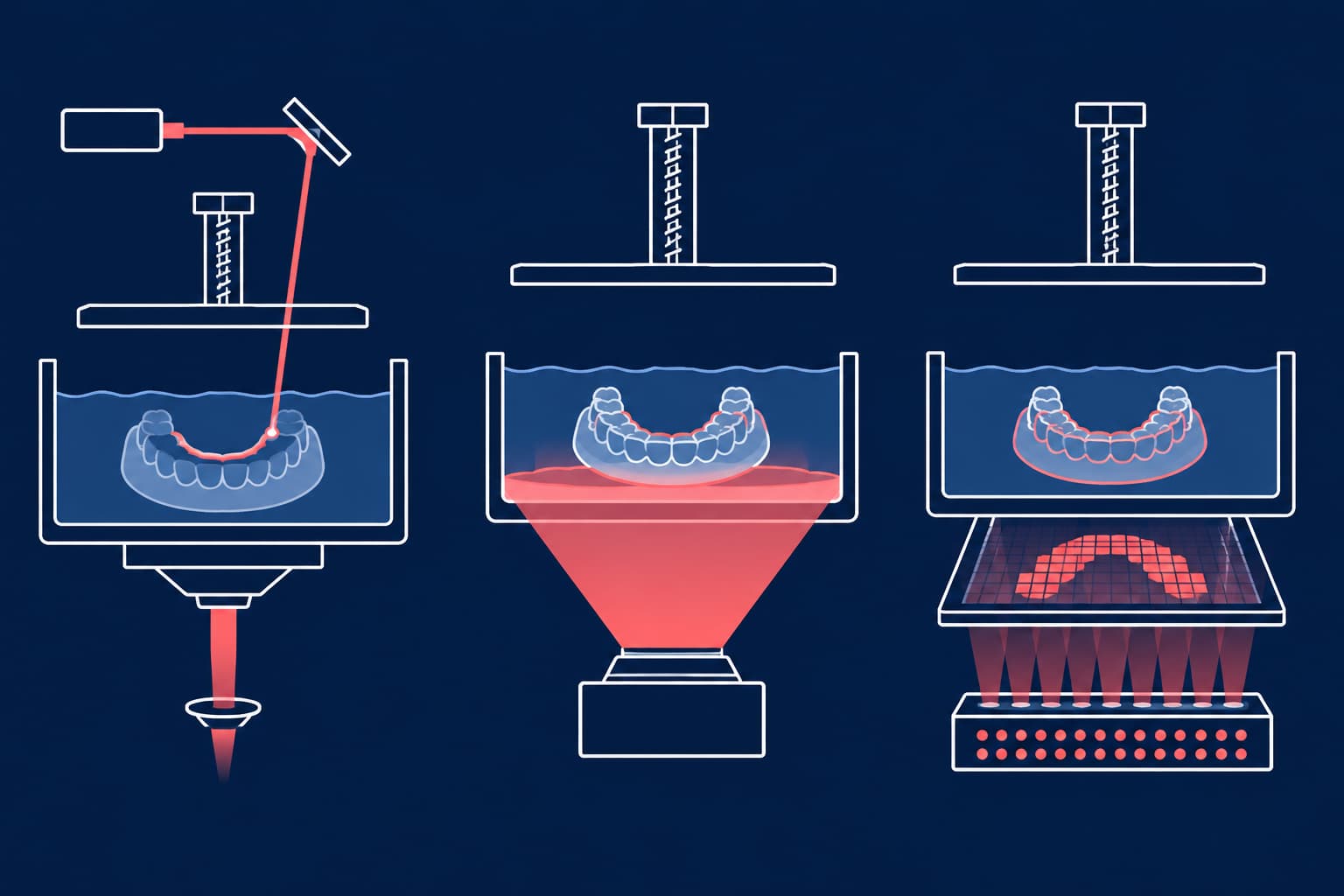
Intraoral scanners have modernized orthodontic manufacturing, yet digital capture introduces distinct technical failure modes. High-precision additive manufacturing and thermoforming require complete, watertight surface geometry. Common intraoral scan errors include:
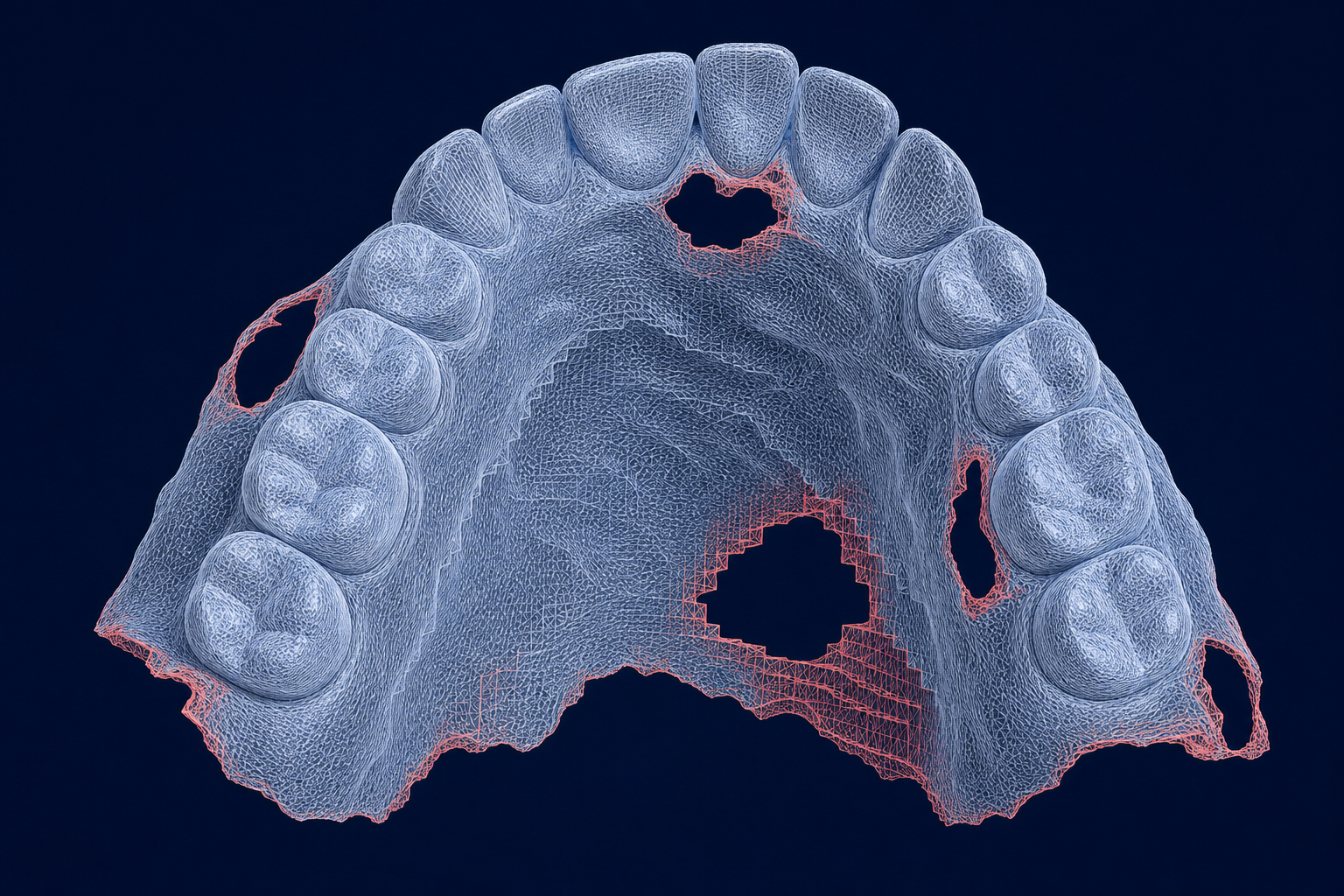
- Incomplete Arch Scans and Mesh Holes: Scanners frequently drop coverage at the distal surfaces of terminal molars and tight interproximal contact points. Missing surface data creates open boundaries in the 3D mesh. While CAD software can auto-bridge minor gaps, extensive holes alter anatomical contours and compromise automated tooth segmentation.
- Soft Tissue Distortion and Motion Artifacts: Mobile mucosal tissue and sudden patient movements introduce image-stitching errors during full-arch acquisition. Cumulative stitching errors alter global arch dimensional accuracy far more than short-span captures. Adhering strictly to the scanner manufacturer's recommended scanning strategy minimizes geometric drift.
- Excessive Cut-Out Rescanning: Trimming corrupted scan segments and rescanning localized zones fixes isolated errors, but overusing the cut-out tool reduces structural accuracy. Multiple rescan patches create surface steps that distort the final appliance fit.
- Gingival Margin Deficits: Thermoformed retainers, clear aligners, and direct-printed appliances require 3–5 mm of buccal and lingual gingiva. Lacking this margin prevents software from accurately identifying the trim line.
Exporting clean, uncorrupted STL files in orthodontics ensures the laboratory receives a complete dataset that transitions directly into CAD design without manual file repair.
Prescription and Documentation Gaps: Unclear Intent
Advanced manufacturing technology cannot compensate for missing clinical instructions. An incomplete prescription halts production while technicians seek clarification. Typical administrative failure points include:
- Missing Construction Bites: Functional appliances and jaw-positioning devices require an explicit construction bite that defines the targeted sagittal, vertical, and transverse intermaxillary relationship. Submitting upper and lower arches without a construction bite leaves jaw positioning to subjective interpretation.
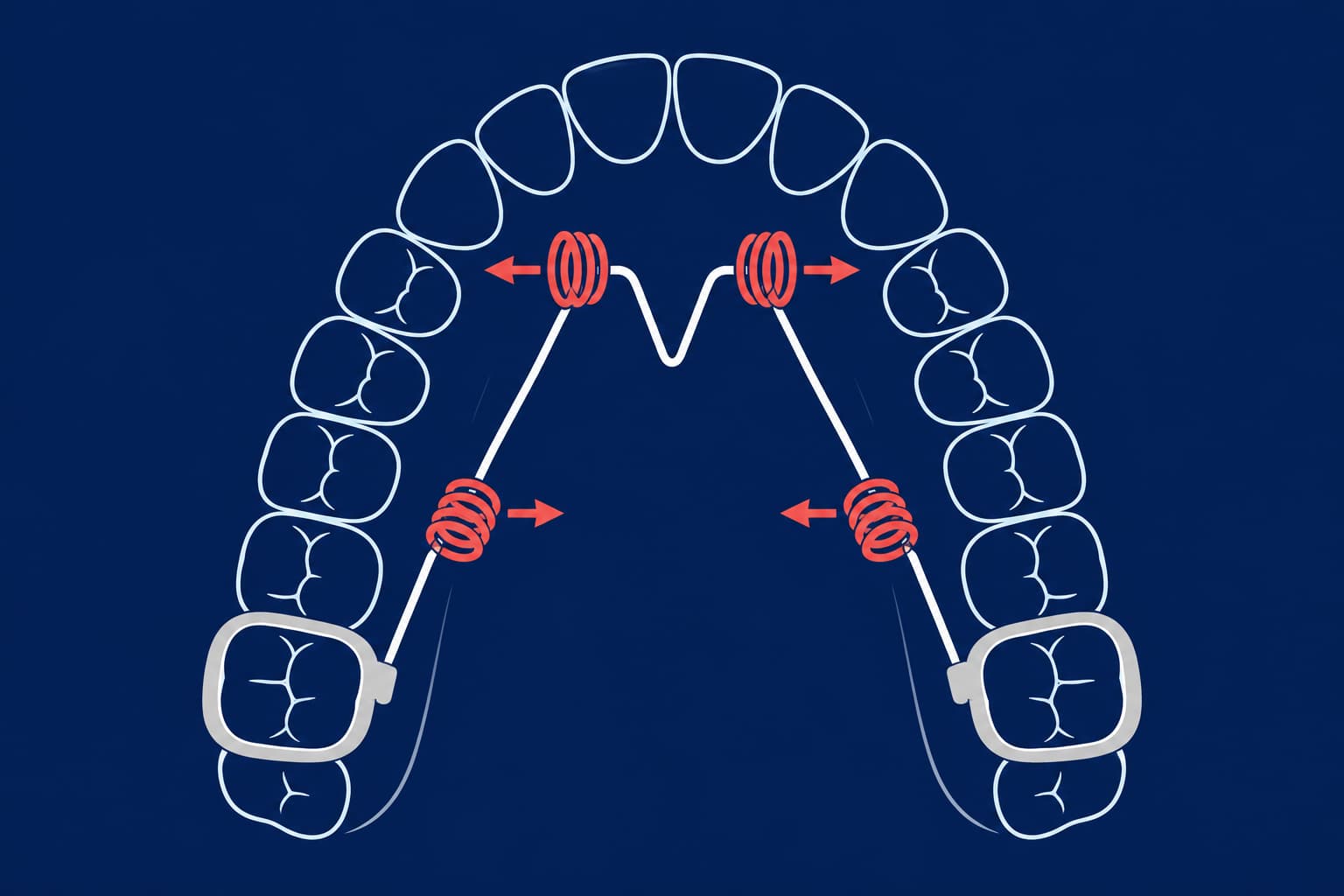
- Vague Appliance Parameters: Instructions such as "standard retainer" introduce ambiguity. Prescriptions must explicitly detail wire gauges, clasp selections (e.g., Adams, ball, or triangular clasps), labial bow trim lines, acrylic extensions, expansion screw orientation, and activation schedules.
- Unlinked Digital Files: Uploading a digital prescription to a portal without linking the patient's intraoral scan files, diagnostic photos, or interocclusal records stalls logging in the lab tracking system.
Incomplete instructions remain a major contributor to elevated orthodontic appliance remake rates. Establishing clear parameters upfront eliminates production friction.
A Prevention Framework for Zero-Delay Case Submissions
Preventing lab case rejections requires structured quality checks at chairside and during administrative submission:
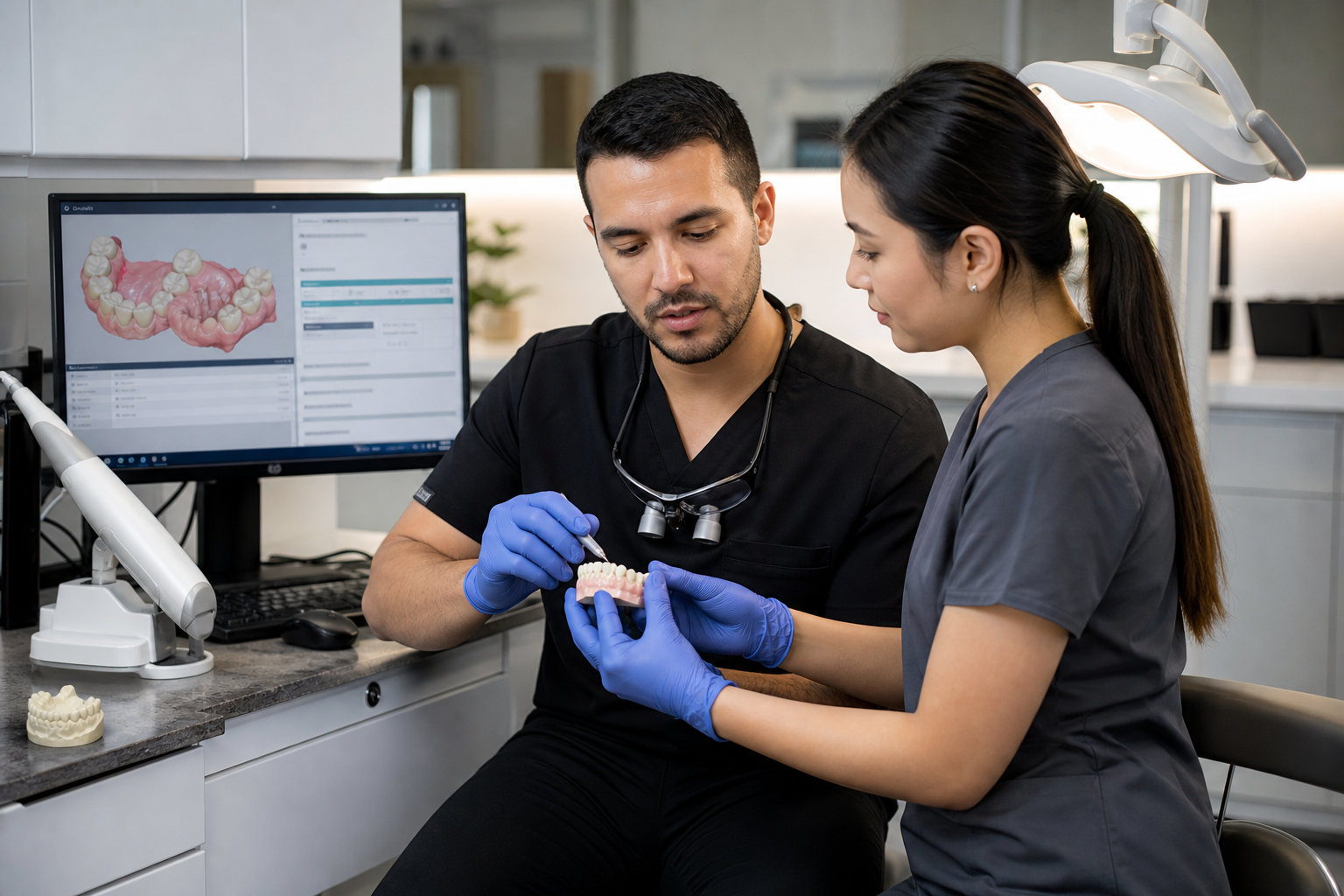
- Audit Data Before Transmission: Inspect physical impressions under direct light for drags, tears, or tray show-through. For digital files, inspect the 3D rendering in monochrome mode to evaluate mesh integrity, detect surface noise, and verify complete terminal molar coverage before submission.
- Standardize Prescriptions and Diagnostic Media: Implement standardized templates for recurring appliance designs. Always supply full-arch bite registrations and supporting clinical photographs for complex biomechanical setups. Modern orthodontic lab-clinic communication relies on centralized cloud portals to securely bind patient prescriptions directly to 3D datasets.
- Utilize CAD Design Reviews: Incorporating a digital design review phase allows clinicians to inspect virtual appliance setups, tweak clasp locations, or adjust acrylic borders before physical fabrication begins.
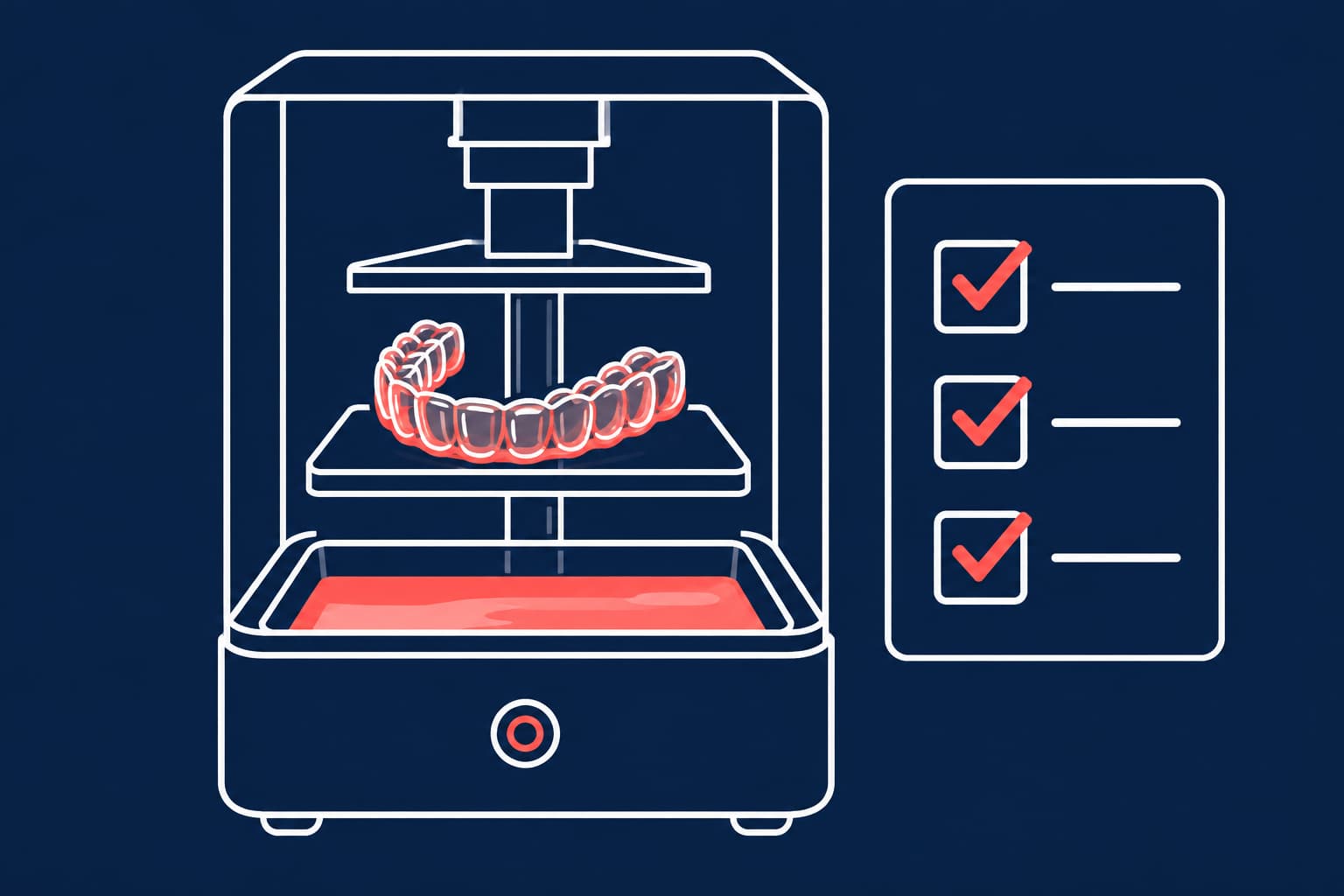
- Follow a Structured Checklist: Utilizing a comprehensive digital case submission checklist ensures every element – from file formatting to clinical directives – is validated prior to lab intake.
Adopting an end-to-end digital workflow from scan to appliance provides predictable, high-precision results. At NordicDens, incoming digital cases undergo comprehensive mesh analysis as part of our three-stage orthodontic lab quality control protocol, identifying and resolving spatial discrepancies before 3D printing begins.
Eliminating case rejections requires aligning clinical precision at chairside with seamless digital transfer protocols. By standardizing your impression verification, scan mesh validation, and prescription details, you protect your practice from costly remakes and schedule interruptions. Audit your team's clinical submission protocols today or contact NordicDens to integrate our direct-print 3D appliance workflow and secure submission portal into your practice.